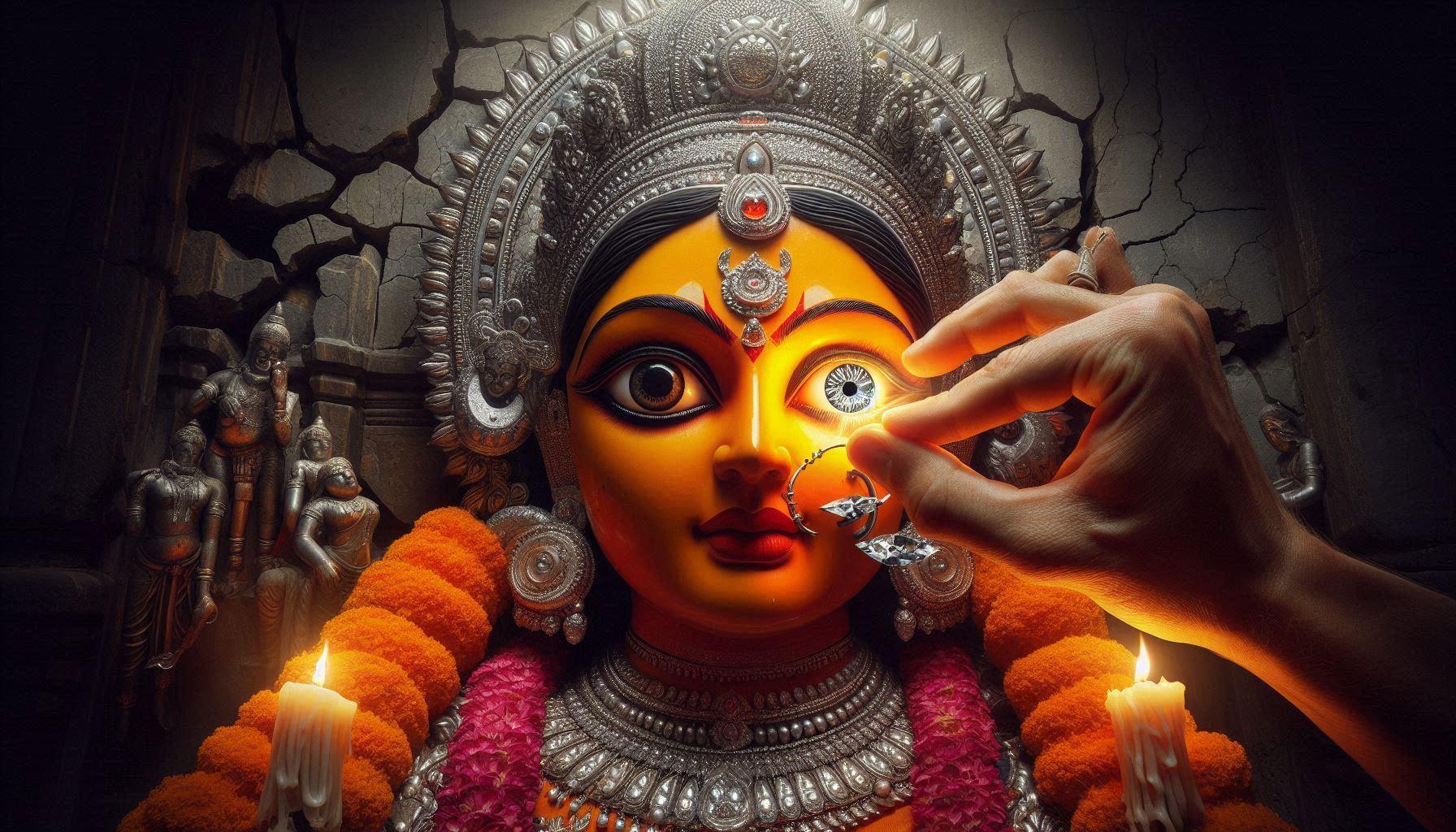
What if the world’s most famous diamond… isn’t just a jewel, but the missing eye of a furious goddess?
You’ve heard of the Koh-i-Noor—the priceless diamond locked away in the British Crown. But few know the shocking Indian legend behind it: that it once sat as the left eye of Goddess Bhadrakali in a sacred temple in Warangal.
Locals say it wasn’t stolen—it was plucked from her idol, unleashing a curse so powerful, every man who ever possessed it faced death, defeat, or downfall.
From missing temple records, to a ritual that can’t be completed without the gem, to whispers that the diamond has lost its shine in London, the mystery deepens like a riddle wrapped in time.
Is this just folklore—or is there a divine truth the world is ignoring?
Stay till the end, because this isn’t just about a diamond—it’s about a goddess waiting to reclaim her lost eye… and perhaps, her vengeance.
1. The Left Eye of the Goddess.
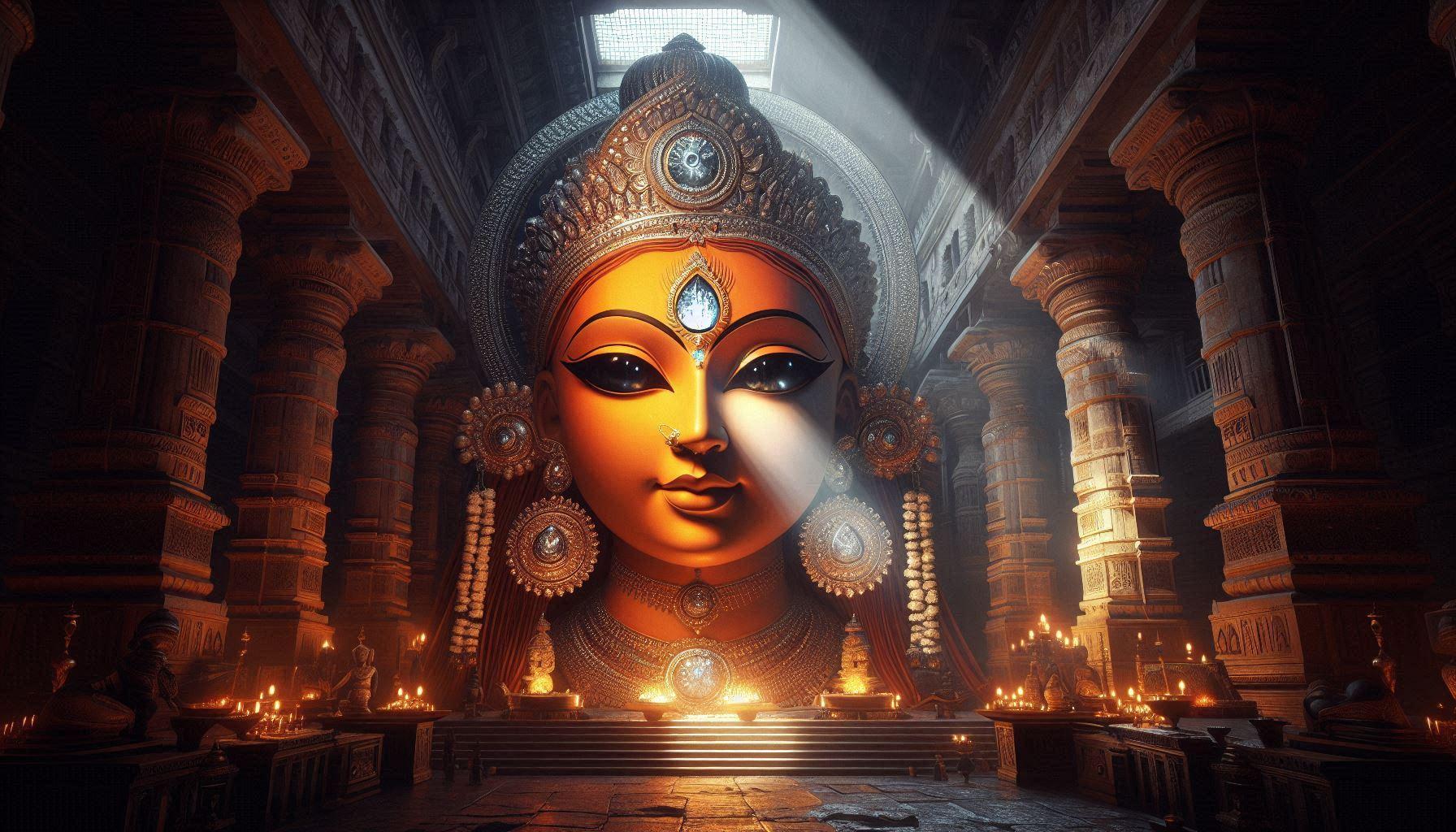
What if the world’s most famous diamond… didn’t belong in a royal crown, but in the eye of a goddess?
According to ancient legends whispered through generations in Warangal, the Koh-i-Noor diamond was never just a jewel—it was divine. Locals believe it was originally embedded as the left eye of Goddess Bhadrakali, the fierce and protective form of Shakti, in the Bhadrakali Temple of Warangal, Telangana. Not just decoration, it was said to be alive with energy—the eye that watched over the Kakatiya dynasty and their people.
Temple elders say the diamond radiated an unearthly brilliance, brighter than the Sun itself, glowing even in darkness. The goddess’s gaze—powered by the stone—was believed to protect the land from enemies, droughts, and evil.
But in the 14th century, when invaders looted the region, the sacred eye was plucked out.
They say darkness fell on Warangal after that. The Kakatiya kingdom crumbled. And the goddess? She was left blind in one eye—her cosmic vision disturbed. And the diamond? It began its cursed journey… from one bloody hand to another.
Could this truly be the origin of the Koh-i-Noor?
And if so, was the goddess’s curse unleashed the moment her eye was stolen?
2. The Curse That Follows Kings.
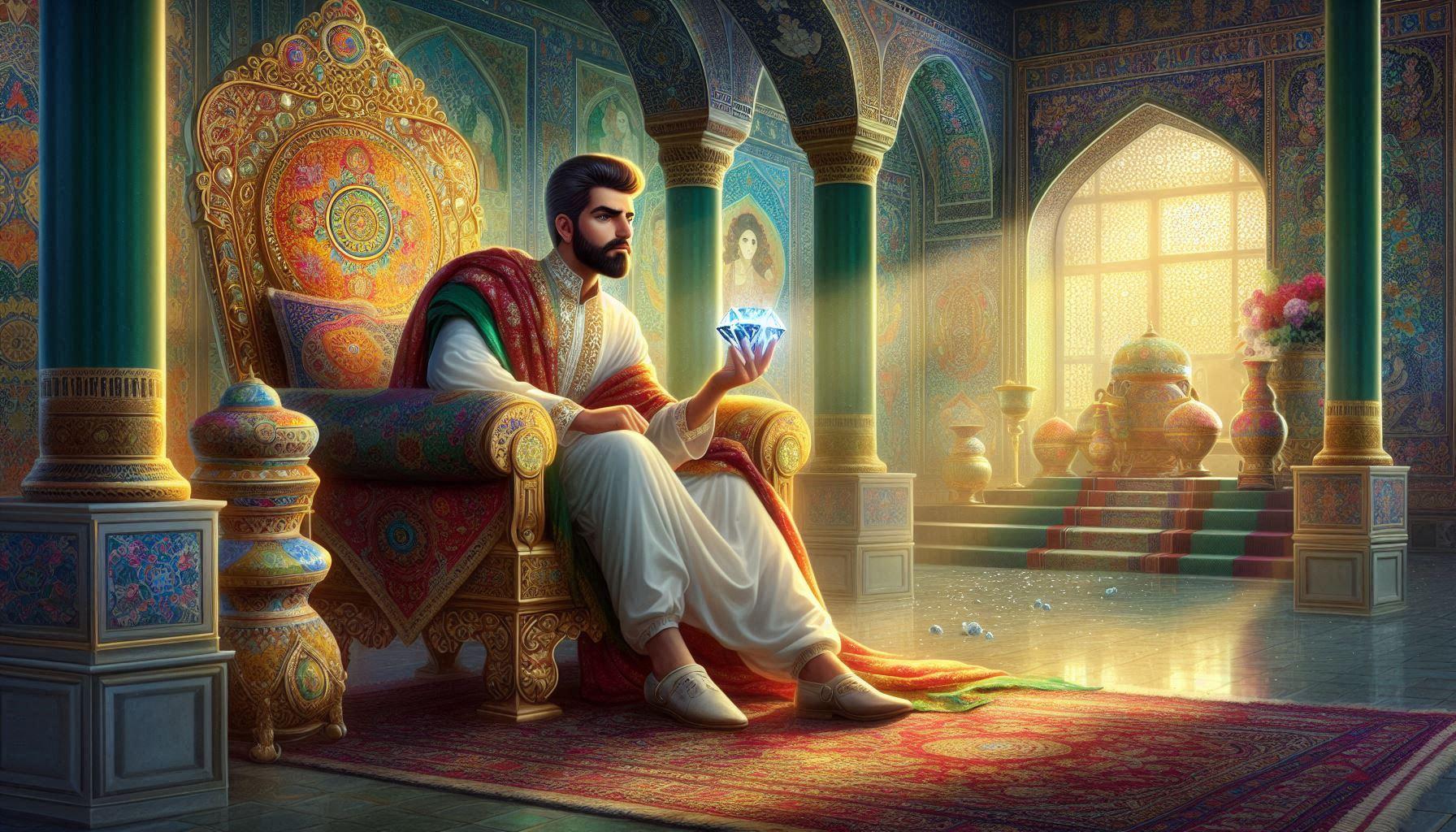
What if I told you… every man who possessed the Koh-i-Noor met a violent end?
After the diamond was taken from the Bhadrakali Temple, legends say the goddess’s fury was sealed within it. Her missing eye was not just a loss—it was a cosmic betrayal, and the stone carried her rage. From that moment on, the Koh-i-Noor was no longer a symbol of power… but a harbinger of doom.
Look at the pattern—every ruler who owned the Koh-i-Noor suffered defeat, exile, or death.
Babur’s son, Humayun, fell down a staircase and died.
Nadir Shah, who looted Delhi and took the diamond to Persia, was assassinated.
Ranjit Singh, the Lion of Punjab, died soon after acquiring it, and his empire crumbled.
And even the British, who placed it in Queen Victoria’s crown—faced the collapse of their empire soon after.
Coincidence? Or karma?
Indian legends say that no man shall ever own the Koh-i-Noor without paying the price. Only a divine female form, like the goddess it once belonged to, can bear its energy.
That’s why even today, the British Royal Family refuses to let any male monarch wear it.
Was it just superstition… or a divine warning written in blood?
3. The Missing Temple Records.
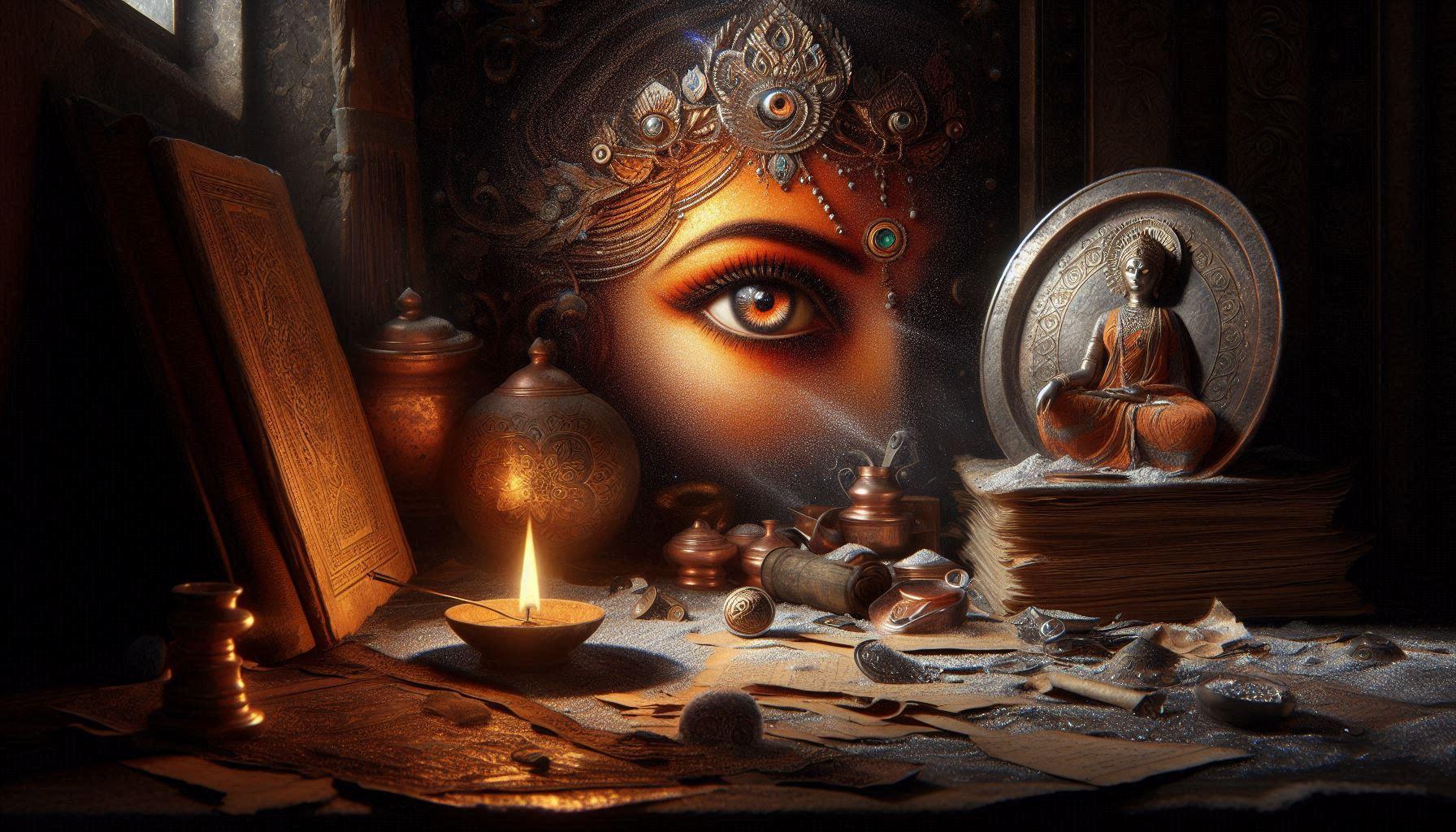
What if the true origin of the Koh-i-Noor was intentionally erased from history?
Ancient Warangal, under the rule of the Kakatiya dynasty, was known for its architectural marvels and spiritual depth. The Bhadrakali Temple, perched on a hill near the Warangal Fort, was not just a place of worship—it was the spiritual nucleus of the empire. Legends say the temple once held detailed inscriptions and palm-leaf manuscripts describing divine jewels, their powers, and rituals.
Among them? A reference to a “radiant third eye of Devi that sees through darkness”—which many believe referred to the Koh-i-Noor.
But here’s the mystery: after the temple was looted by invading forces, almost all temple records vanished. The inner sanctum, once glowing with sacred energy, was left desecrated. Local scholars whisper of missing copper plates that recorded temple treasures—never found again. Some even say British archaeologists in the 1800s found broken inscriptions mentioning a divine gem, but they were quietly taken away.
Why were these records destroyed or hidden?
Could it be that the Koh-i-Noor’s connection to Bhadrakali was deliberately suppressed—to erase its spiritual significance and claim it as mere treasure?
And if so, what else have we been lied to about?
4. The Unfinished Eye Ritual of Bhadrakali.
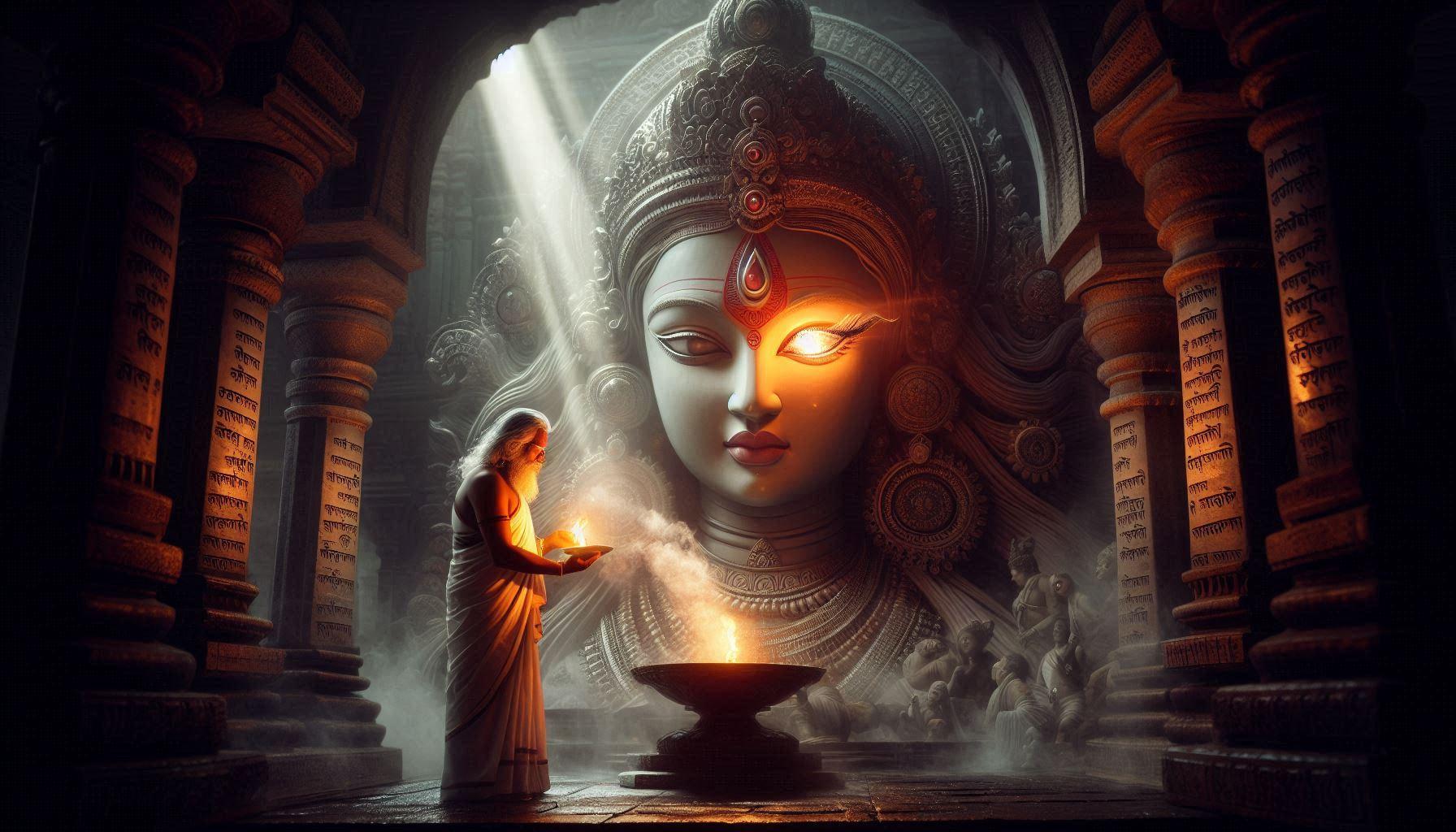
What if the goddess is still waiting for her missing eye to return?
Every year, during the Navaratri festival, the Bhadrakali Temple in Warangal witnesses a strange ritual. Priests perform a secretive ceremony called the “Netra Puja”—a sacred invocation to reawaken the goddess’s divine vision. But here’s the chilling part: only one eye is ever worshipped. The other remains symbolically covered… missing.
Locals believe this isn’t just symbolic. It’s a cosmic wound—left open since the day the Koh-i-Noor was taken.
Old temple legends describe an ancient ritual called the “Netra Daanam,” where a sacred gem was offered to awaken the Devi’s full shakti. Without both eyes, the circle of energy remains incomplete. It’s said that as long as her left eye remains lost, her full protective power cannot return to the land.
And here’s the twist: some tantric practitioners believe the Koh-i-Noor still pulses with her trapped energy—waiting to be reunited with the temple, so the ritual can finally be completed.
Until then, they say the goddess is in a state of longing and restraint, her power partially sealed.
Is it just ritualistic symbolism?
Or is there truly a divine force calling the Koh-i-Noor back home?
5. The Stone That Refuses to Shine in London.
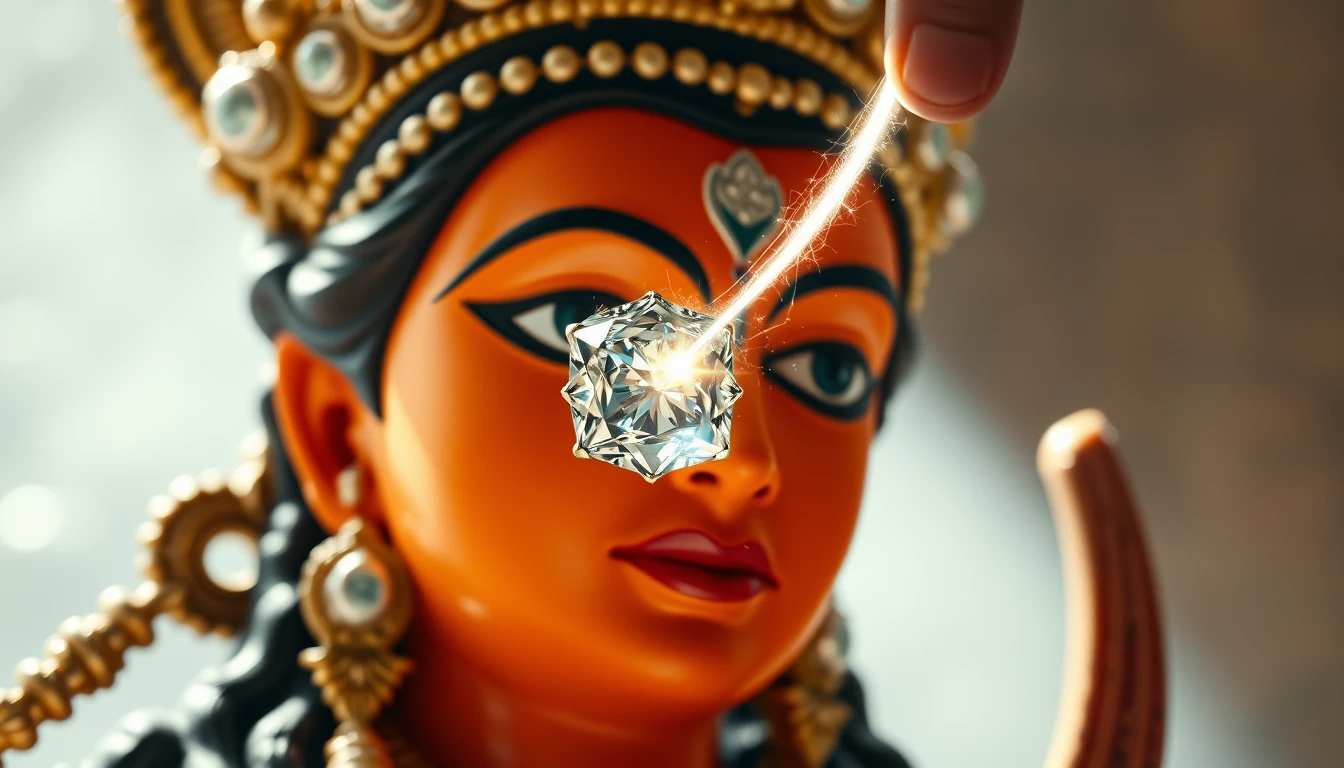
What if the Koh-i-Noor has lost its light… because it’s no longer in the presence of the divine?
According to jewelers and historians, the Koh-i-Noor, despite being one of the largest cut diamonds in the world, doesn’t shine as brilliantly as it should. Even British observers have noted that under normal light, it appears “dull, almost lifeless,” especially compared to other diamonds in the royal collection.
But here’s where it gets mysterious.
Locals in Warangal say the diamond once glowed with a supernatural radiance when it was the eye of Goddess Bhadrakali. It wasn’t just reflecting light—it was radiating energy. The moment it was removed from the goddess’s idol, its spiritual power was severed.
According to ancient belief, divine gems must remain within their original vibrational field—close to the deity they were consecrated for. When taken away, they become silent stones, stripped of life.
Even some British historians in private diaries noted that the stone seemed to have a "presence" that vanished after it arrived in England.
Is it possible that the Koh-i-Noor isn’t just cursed…
But also mourning its separation from the goddess it once served
And if so… will it ever shine again until it’s returned to her eye?
Conclusion, A Diamond, A Goddess, and a Forgotten Truth.
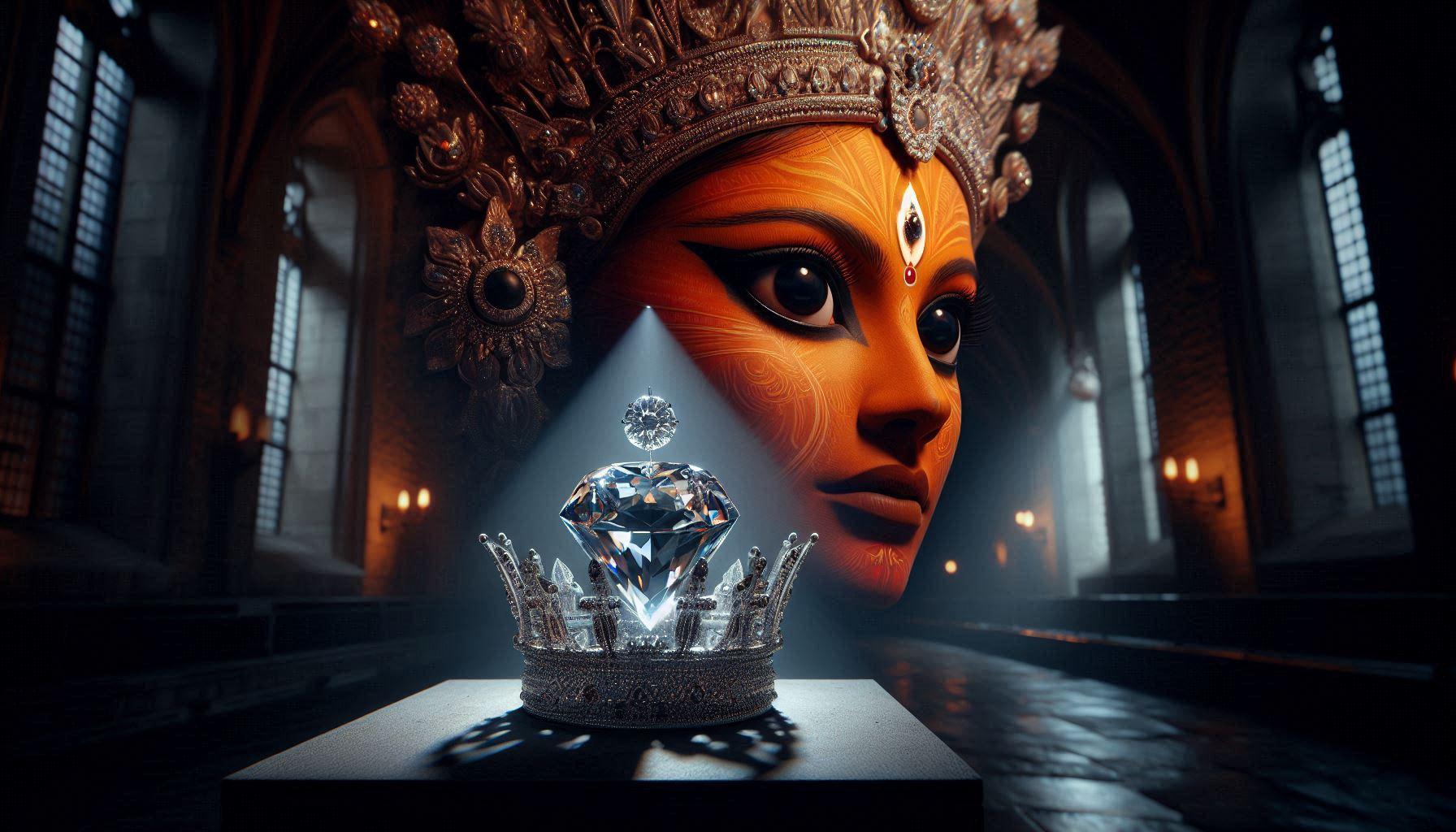
The Koh-i-Noor is no ordinary diamond. Its journey—from the eye of Goddess Bhadrakali to the crown of an empire thousands of miles away—is not just the story of a stolen gem, but of a spiritual rupture.
Every mystery we uncovered—the goddess’s missing eye, the curse on kings, the vanished temple records, the incomplete ritual, and the diamond’s lifeless glow in London—points to one chilling possibility:
The Koh-i-Noor still belongs to something divine.
Maybe it’s not just about returning a diamond to India…
Maybe it’s about healing a wound left open for centuries.
Because until the goddess’s eye is restored, some believe her vision remains incomplete, and her energy bound.
So, is it just myth? Or is it a truth the world fears to accept?
Either way, the question lingers:
Should the eye of a goddess remain locked in a foreign crown… or be returned to her gaze once more?
Bhadrakali temple FAQs
Where is Bhadrakali Temple located?
Where is Bhadrakali Temple located?
Bhadrakali Temple is located on the banks of the Bhadrakali Lake, near Hanamkonda in Warangal, Telangana, India.
Who built Bhadrakali Temple?
Who built Bhadrakali Temple?
Bhadrakali Temple was built in the 7th century by the Chalukya rulers. It was later renovated and patronized by the Kakatiya kings of Warangal.
Which deity is worshipped in Bhadrakali Temple?
Which deity is worshipped in Bhadrakali Temple?
The temple is dedicated to Goddess Bhadrakali, a fierce form of Goddess Shakti, depicted with eight arms and carrying weapons.
What is the significance of Bhadrakali Temple?
What is the significance of Bhadrakali Temple?
Bhadrakali Temple is one of the oldest temples dedicated to Goddess Bhadrakali and is believed to protect devotees from evil while blessing them with strength, prosperity, and well-being.
What are the timings of Bhadrakali Temple?
What are the timings of Bhadrakali Temple?
The temple generally opens from 5:00 AM to 1:00 PM and from 3:00 PM to 8:00 PM. Timings may vary during festivals and special occasions.
What festivals are celebrated at Bhadrakali Temple?
What festivals are celebrated at Bhadrakali Temple?
Major festivals include Bonalu, Navratri, Ugadi, and Dasara, when thousands of devotees visit the temple for special rituals and celebrations.
How to reach Bhadrakali Temple in Warangal?
How to reach Bhadrakali Temple in Warangal?
Bhadrakali Temple is about 5 km from Warangal city. It is easily accessible by road through buses, autos, and taxis. The nearest railway station is Warangal Junction, and the nearest airport is in Hyderabad, about 150 km away.