What if I told you… there’s a temple in Tamil Nadu where the Pandavas once stood in prayer, where nine different forms of Vishnu reside under one roof, and where ancient architects may have encoded secrets of the universe into stone?
Welcome to Sundaravarada Perumal Temple, Uthiramerur — a place where history, legend, and spiritual science collide. Built over a thousand years ago, this shrine doesn’t follow the rules of ordinary temples. Here, sanctums are stacked vertically, inscriptions speak in cryptic royal codes, and centuries-old festivals are believed to “recharge” the temple’s divine energy.
From its ties to the Mahabharata to its mysterious Vastu-perfect design, every corner hides a story that will leave you questioning how much our ancestors really knew.
By the time you finish this journey, you won’t just see this as a temple — you’ll feel as if you’ve stepped into a living, breathing piece of India’s spiritual puzzle.
1. The Mahabharata Connection.
Imagine walking into a temple… and realizing you’re standing in a place where the Pandavas themselves once prayed
The Sundaravarada Perumal Temple in Uthiramerur isn’t just another Vishnu shrine — it’s said to be a silent witness to an episode straight out of the Mahabharata.
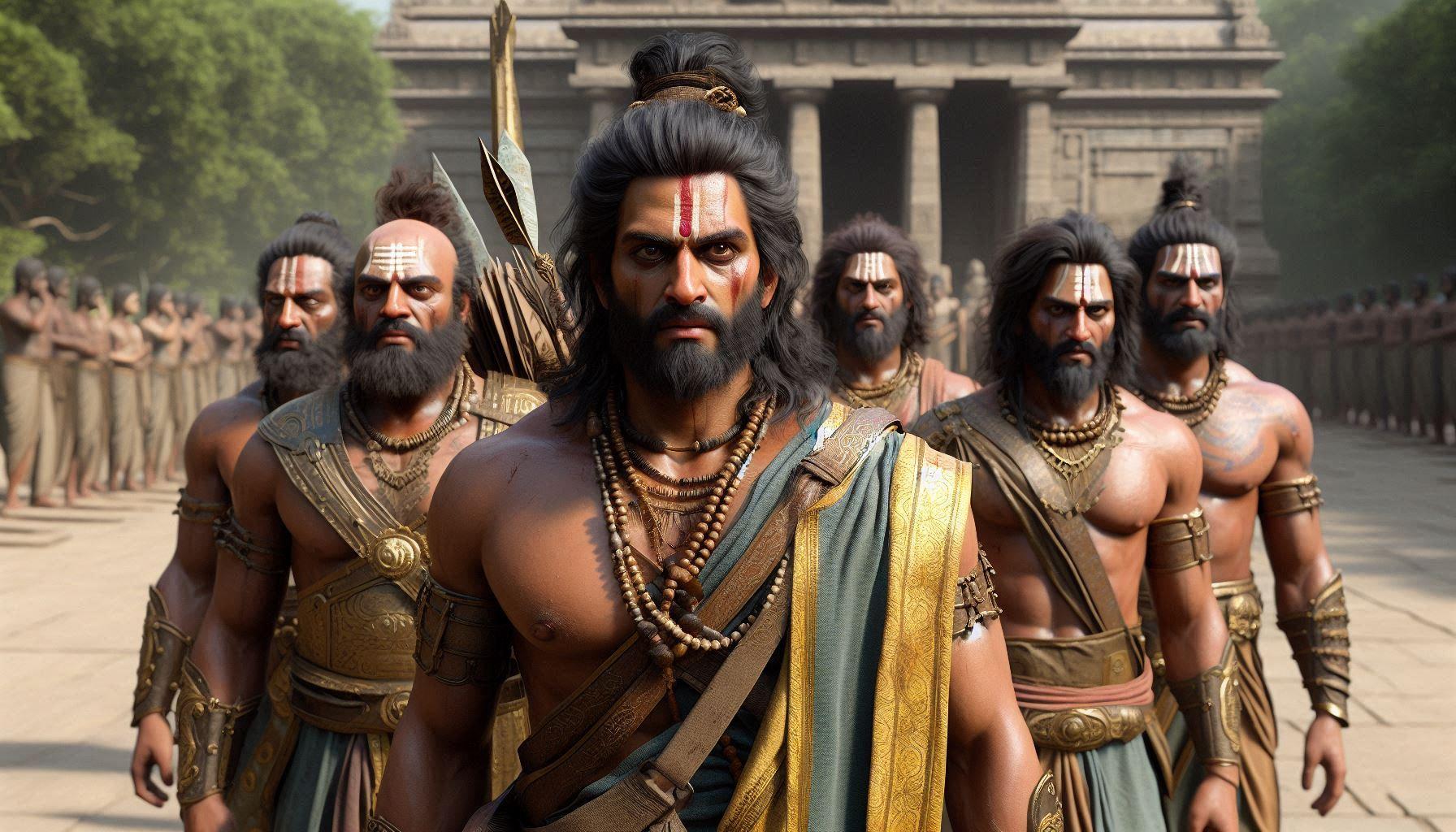
Legend says that during their exile, Arjuna, Nakula, Sahadeva, and Bhima reached this very spot, weary and burdened by fate. Here, Lord Vishnu appeared before them as Sundaravarada Perumal — the beautiful boon-giver — to grant them relief from their suffering. The Lord’s consort, Anandavalli, is believed to have appeared to Draupadi, blessing her with strength to endure the trials ahead.
Around the main sanctum, three other shrines hold the forms of Vishnu as Achyuta Varada, Aniruddha Varada, and Kalyana Varada — each said to have blessed one of the Pandava brothers individually. Devotees believe these blessings still linger here, and that praying at all three shrines can remove obstacles and bring protection from unseen dangers.
When you stand in this temple, it’s not just stone and sculpture around you — it feels like the whispers of the epic are still in the air, as if the Pandavas’ footsteps never truly faded.
2. Architectural Uniqueness.
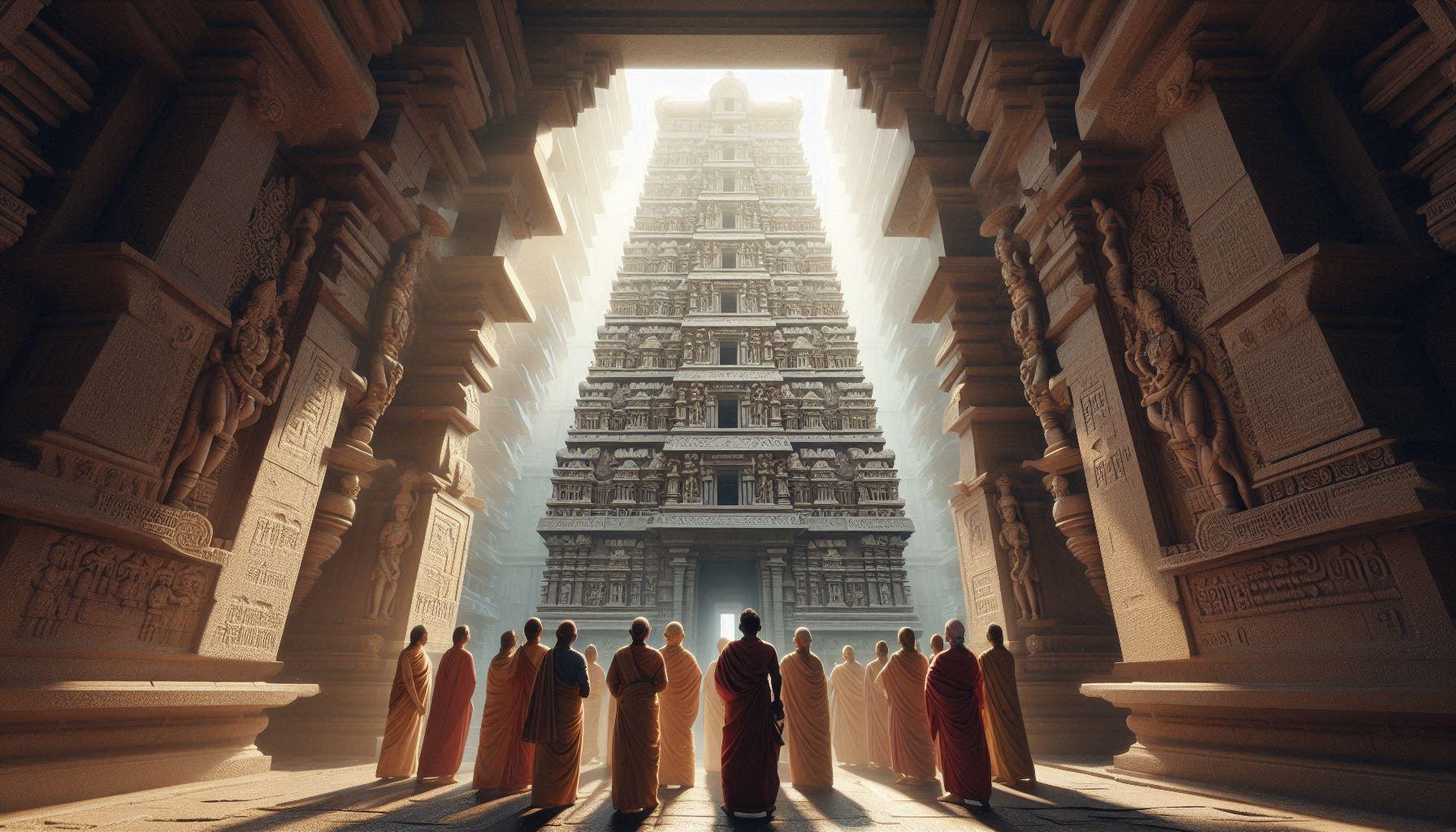
Step inside the Sundaravarada Perumal Temple, and you’ll quickly realize — this is no ordinary South Indian shrine.
Most temples have a single sanctum, a single focal point. But here, the sacred heart of the temple is stacked… vertically.
There are three sanctums, one above the other, all facing east. Each holds a different form of Vishnu — a design so rare that even seasoned temple historians pause in awe. It’s as if the architects wanted worshippers to experience divinity in layers, climbing spiritually as they ascend physically.
On the ground floor, shrines in three cardinal directions radiate like spokes from the central sanctum. On the upper tiers, the forms of the Lord shift — each posture and gesture symbolizing a distinct blessing. The main deity, Sundaravarada Perumal, stands tall with four arms and unique hand mudras rarely seen in other Vishnu temples.
Adding to the intrigue, this is a Nava Murti Sthalam — housing nine forms of Vishnu under one roof. For devotees, it’s like walking into nine different temples at once, each with its own energy.
It’s not just architecture — it’s a puzzle of faith and geometry, built to make you wonder: Who designed this, and what divine code were they following?
3. Vastu Shastra Mastery.
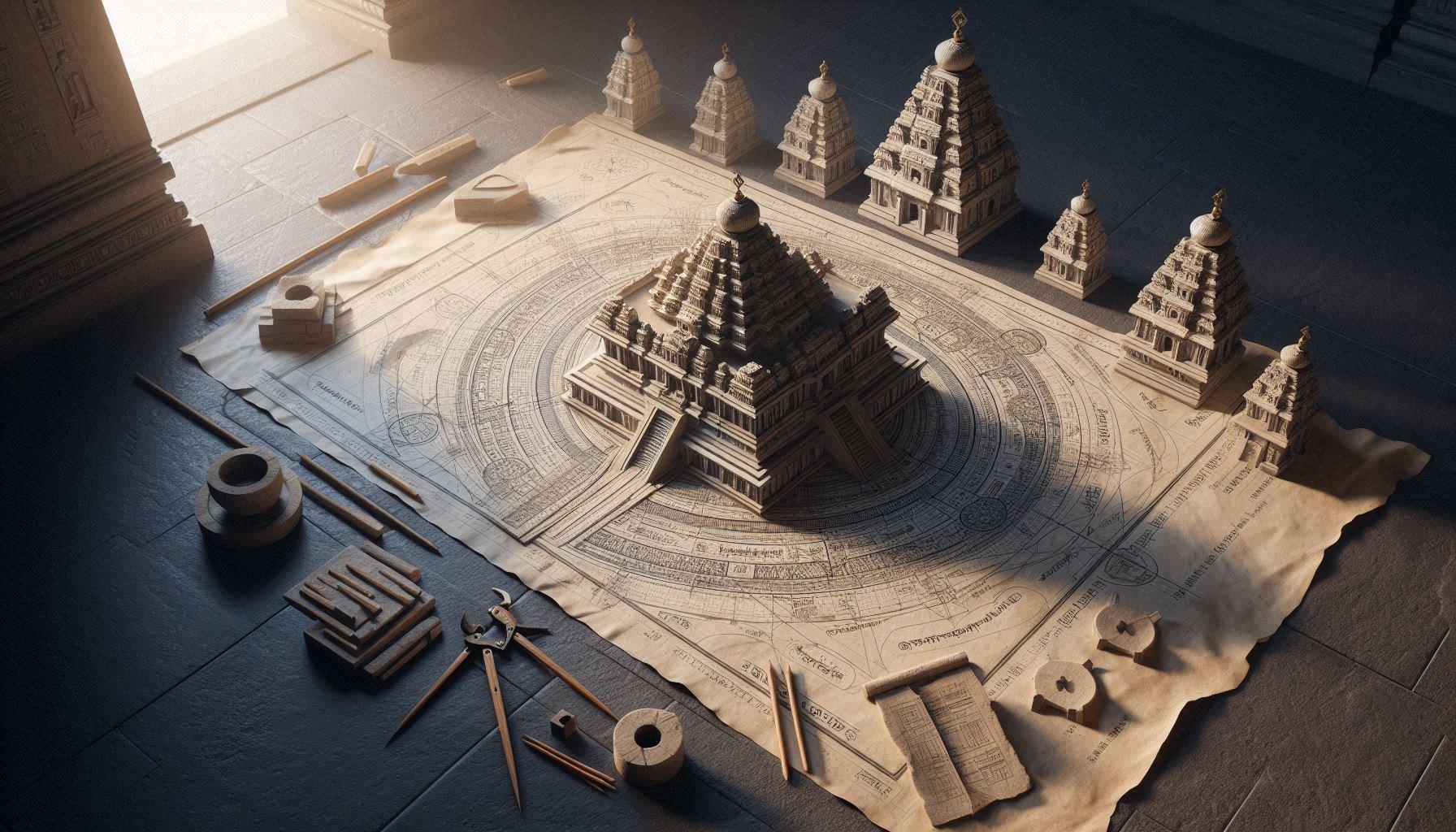
Every temple has a blueprint, but the Sundaravarada Perumal Temple feels like it was designed by someone who knew more than just construction — someone who understood the cosmic language of space.
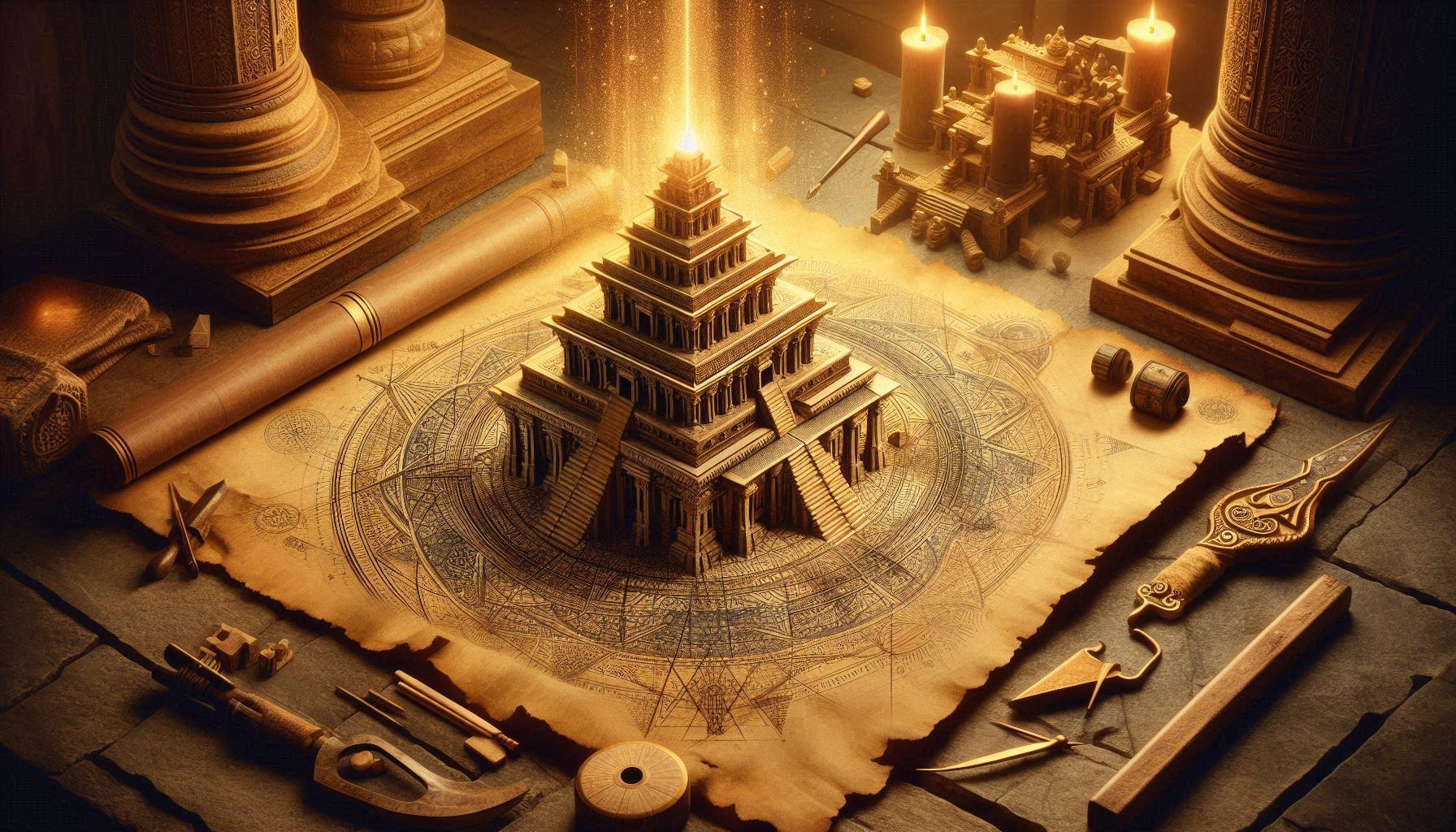
Historical accounts name a master mason, Paramesa Vathan, as the genius behind its design. He wasn’t just a craftsman; he was a scholar of Vastu Shastra — the ancient Indian science of architecture that aligns structures with the laws of the universe. Every wall, pillar, and sanctum here seems to hum with that precision.
The temple’s three-tier sanctum, its perfect alignment to the east, the proportional spacing of its shrines, and even the height of each doorway follow strict Vastu rules meant to channel positive energy. Devotees claim that when you step inside, you feel a shift — a lightness, a clarity — as if the architecture itself is cleansing the mind.
What’s even stranger? Despite being centuries old, the temple’s interior remains cool even in the peak of Tamil Nadu’s summer, a feat of design that modern engineers still admire. Was this just architectural brilliance… or did Paramesa Vathan encode some forgotten spiritual technology into the stone?
4. Historic Patronage and Inscriptions.
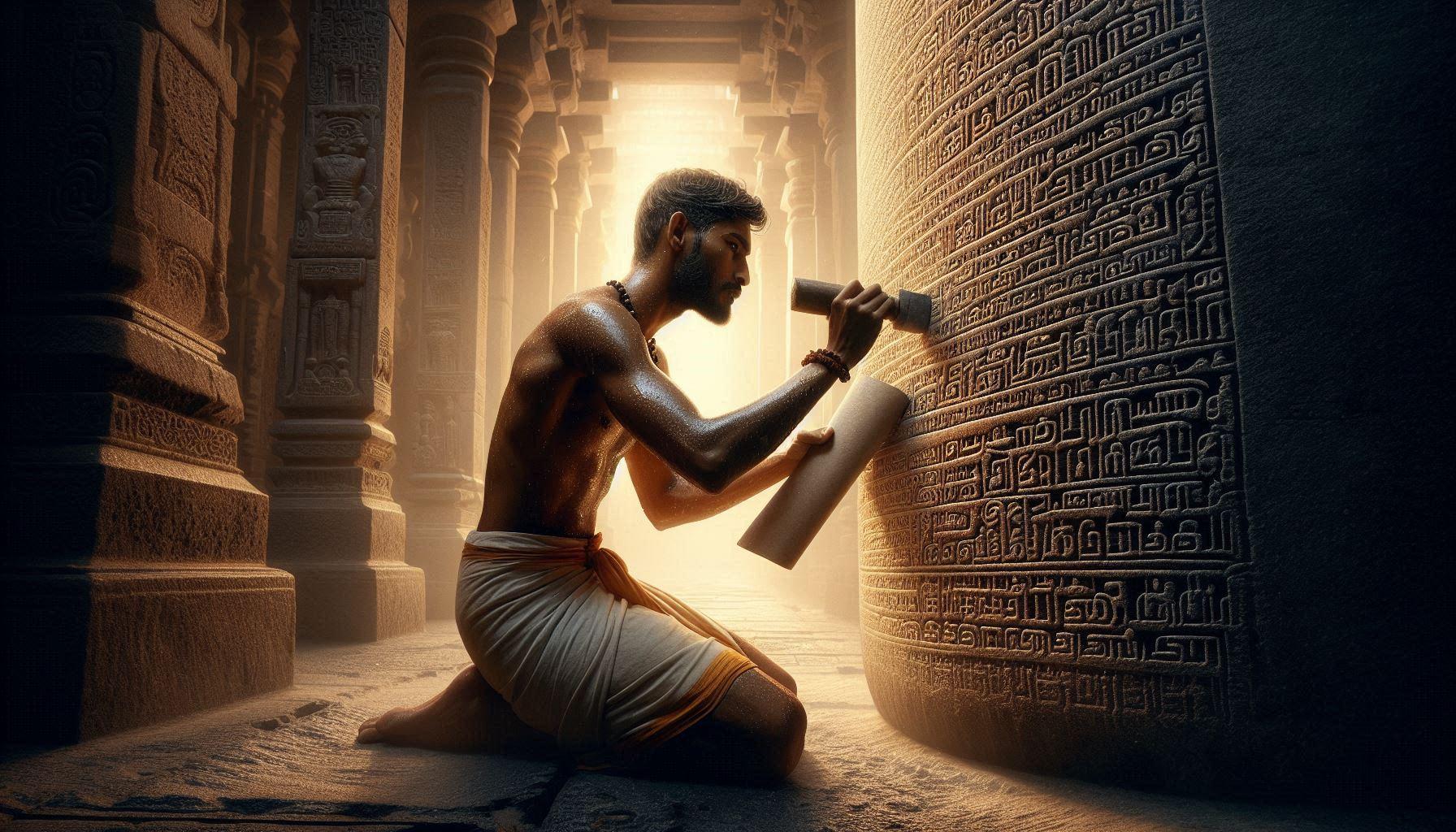
The stones of the Sundaravarada Perumal Temple don’t just hold up walls — they hold centuries of royal whispers.
Scattered across its pillars and corridors are inscriptions from some of South India’s greatest dynasties: the Pallavas, Cholas, Pandyas, Vijayanagara kings, and the Nayaks.
The Pallavas, credited with building the temple, etched records of its original consecration and grants. Later, the mighty Cholas left detailed notes about land donations, temple renovations, and even rules for how rituals were to be conducted. The Vijayanagara rulers described in stone the festivals they funded, the gold ornaments they offered, and the victories they credited to the temple’s blessings.
One inscription even mentions royal visits, where kings would arrive barefoot, leaving behind not just treasures but also their personal prayers. For historians, these carvings are a time machine — an unbroken chain of devotion and patronage spanning over a thousand years.
But there’s a mystery too. Some inscriptions refer to “special blessings” or “divine assurances” granted to rulers before battles — cryptic phrases that have never been fully explained. Were these symbolic words of faith… or proof of an unrecorded divine intervention?
5. Mystical Worship Traditions.
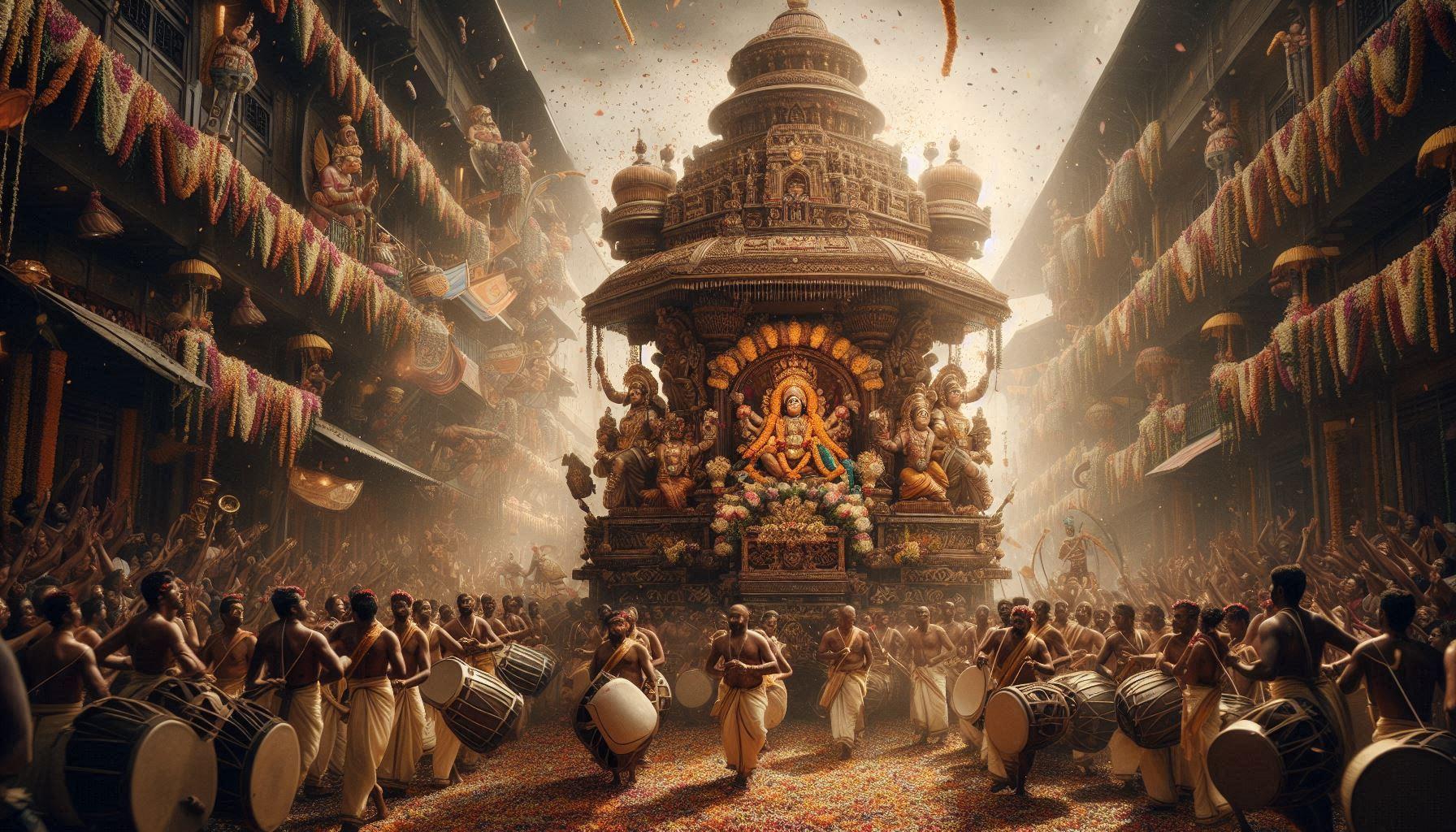
At the Sundaravarada Perumal Temple, worship isn’t just a routine — it’s a living thread that has been woven for centuries without a break. The temple follows the Vadakalai tradition of Sri Vaishnavism, and its rituals are as precise as clockwork.
Every single day, six poojas are performed — from the first sacred awakening of the deity at dawn to the final lullaby at night. Each ritual uses specific chants, incense blends, and offerings believed to attract the blessings of all nine forms of Vishnu housed here. Devotees claim that if you pray to each form in sequence, your prayers gain “ninefold potency,” a belief that draws pilgrims from across Tamil Nadu.
Then there are the grand annual festivals — Brahmotsavam, when the Lord is taken out on a beautifully decorated chariot, and Pavitrotsava, a ritual said to cleanse any mistakes in the year’s worship. Locals believe these festivals renew the temple’s spiritual energy, keeping it ever-powerful.
Some say that during these events, the air itself feels charged, as if an unseen force is moving through the crowd. Is it just the emotion of devotion, or is there truly a divine current flowing through this ancient shrine?
Final Thoughts, Famous Lord Vishnu Temple
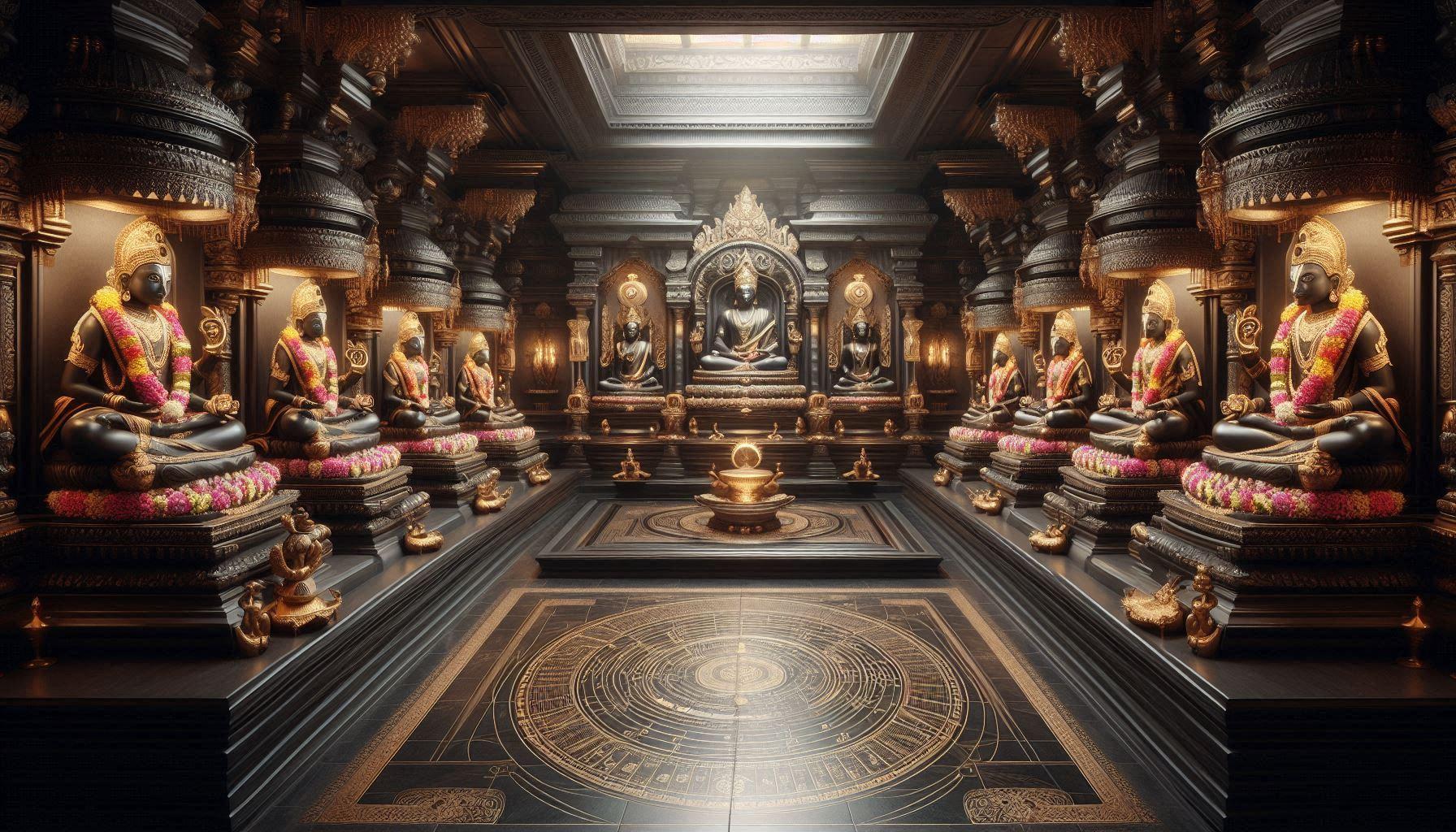
The Sundaravarada Perumal Temple is more than stone, sculpture, and rituals — it is a living chronicle of devotion, divine legends, and architectural genius. From the whispered blessings of the Pandavas to the flawless Vastu alignment, from royal inscriptions that span empires to the unbroken chain of worship for centuries, every element here points to one truth — this is no ordinary place of prayer.
Standing within its walls, you can almost feel the pulse of time itself, a spiritual current that has flowed for over a millennium. Whether you see it as a historical marvel, a divine abode, or a coded masterpiece of ancient science, one thing is certain — this temple challenges the limits of what we think we know about our past.
So the question remains: did our ancestors simply build a temple… or did they create a gateway between heaven and earth?
Sundaravarada Perumal Temple FAQs
Where is Sundaravarada Perumal Temple located?
Where is Sundaravarada Perumal Temple located?
Sundaravarada Perumal Temple is located in Uthiramerur, near Kanchipuram in Tamil Nadu, India. It is one of the historic temples dedicated to Lord Vishnu.
What is the significance of Sundaravarada Perumal Temple?
What is the significance of Sundaravarada Perumal Temple?
The temple is dedicated to Lord Vishnu, worshipped here as Sundaravarada Perumal. It is also significant for its inscriptions that detail the ancient Chola system of village administration, making it important both spiritually and historically.
Who built Sundaravarada Perumal Temple?
Who built Sundaravarada Perumal Temple?
The temple was constructed during the Pallava dynasty and later expanded under the Cholas. It stands as a fine example of Pallava-Dravidian temple architecture.
What are the temple timings of Sundaravarada Perumal Temple?
What are the temple timings of Sundaravarada Perumal Temple?
The temple generally opens from 7:00 AM to 12:00 PM and from 4:00 PM to 8:00 PM. Timings may vary on festival days and special occasions.
What festivals are celebrated at Sundaravarada Perumal Temple?
What festivals are celebrated at Sundaravarada Perumal Temple?
Vaikunta Ekadasi, Brahmotsavam, and Krishna Jayanthi are the major festivals celebrated at the temple with great devotion and grandeur.
How can devotees reach Sundaravarada Perumal Temple?
How can devotees reach Sundaravarada Perumal Temple?
The temple is well-connected by road. It is about 25 km from Kanchipuram and 85 km from Chennai. The nearest railway station is Kanchipuram, while the nearest airport is Chennai International Airport.
What are the main attractions of Sundaravarada Perumal Temple?
What are the main attractions of Sundaravarada Perumal Temple?
The beautifully carved gopuram, the sanctum with Lord Sundaravarada Perumal in standing posture, and the inscriptions about Chola village governance are the key highlights of the temple.