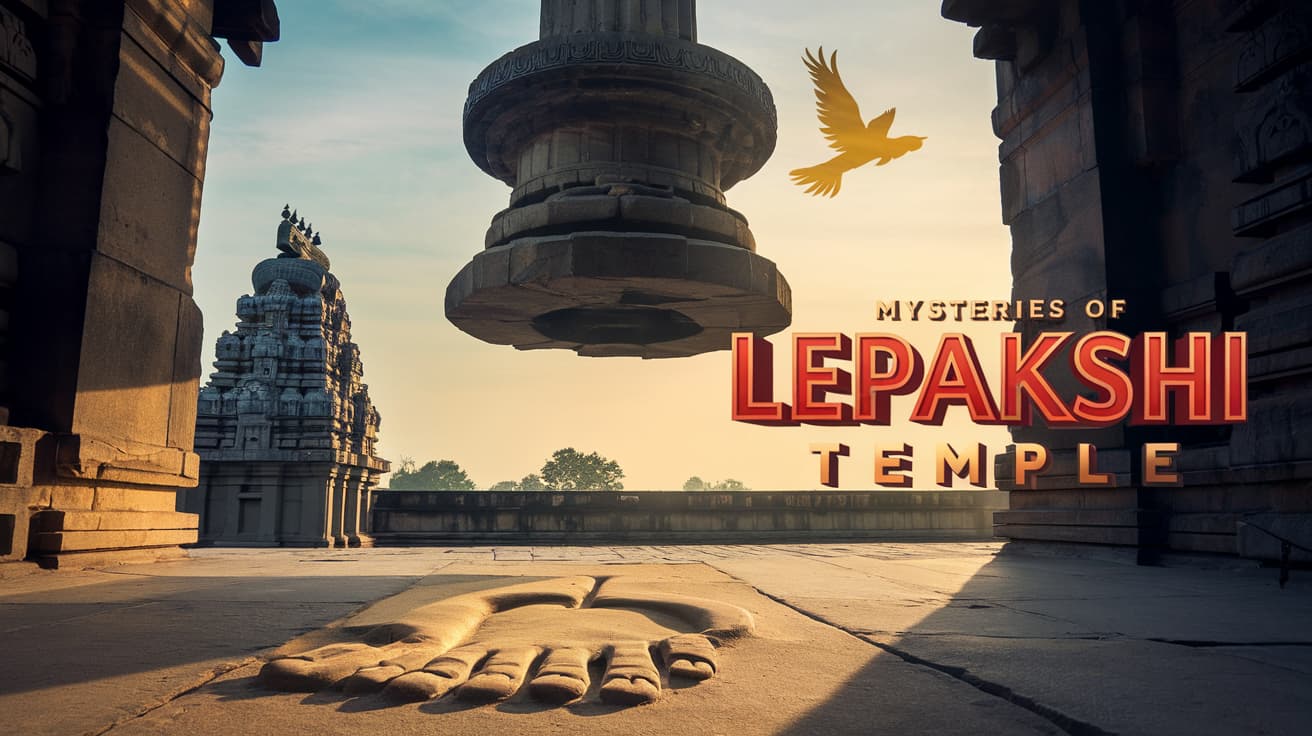
Have you ever wondered… what if every single thing you do — every word, every thought, every secret intention — was being recorded somewhere? Not by a machine… not by a camera… but by a God. A divine accountant who never sleeps, never forgets, and keeps the ledger of your life.
In a quiet corner of Tamil Nadu, India, there stands a temple dedicated to such a being. A temple not for wealth… not for miracles… but for karma.
This is the Chitragupta Temple of Kanchipuram — home to the god who keeps count of every human deed. And his story… is unlike any other in Hindu Past History.
Who is Chitragupta?
Long before time as we know it, the gods faced a problem. Humans had been granted free will. They could do good or evil, speak truth or lies, build or destroy. But who would keep track of all that?
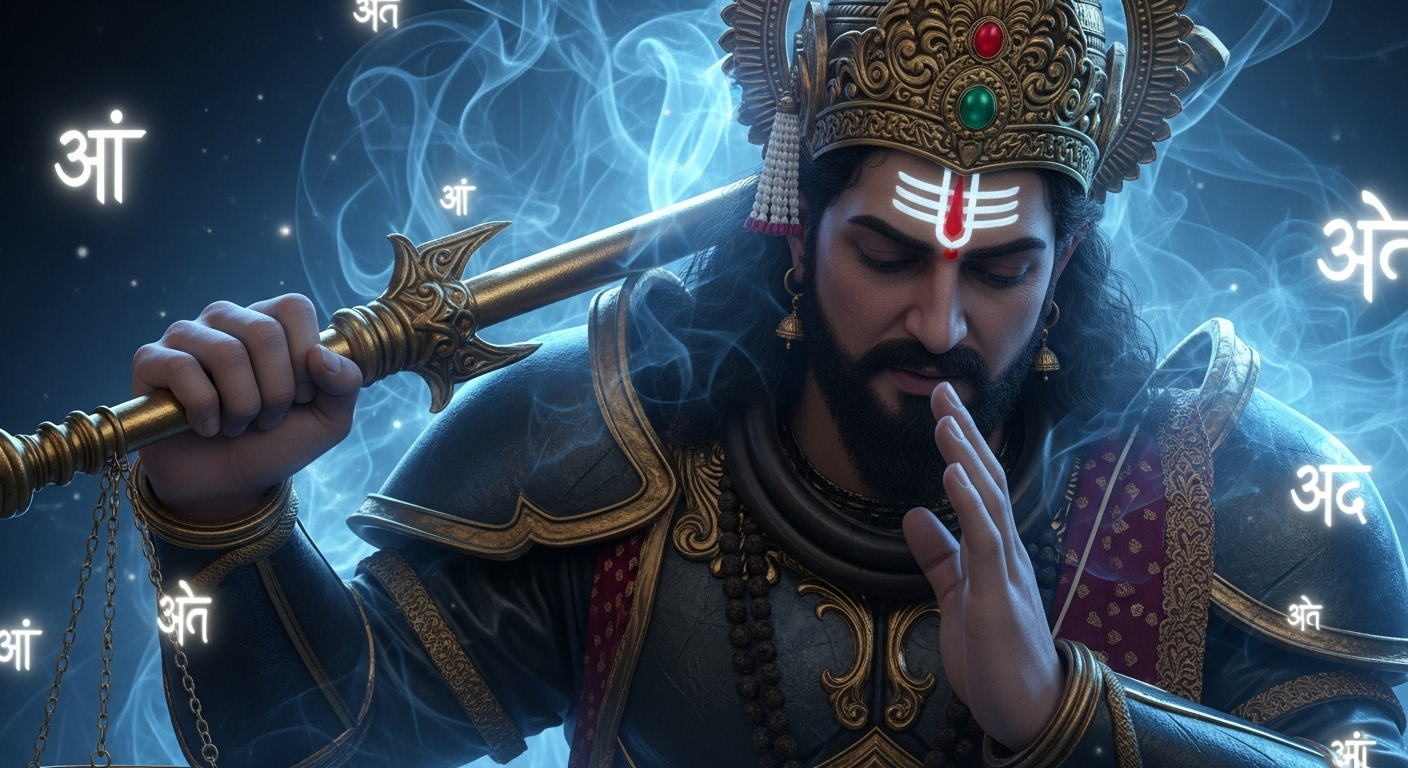
Lord Yama — the god of death — could judge souls, but even he needed someone to keep the accounts. So, according to an ancient legend, Lord Shiva drew a picture on a golden plate. A simple sketch — of balance, of justice, of divine record.
And from that painting… emerged life. The picture came alive. That was Chitragupta — “Chitra” meaning picture, “Gupta” meaning hidden. The hidden picture. A being born of divine art, created to see everything — even what’s hidden.
The Cosmic Accountant
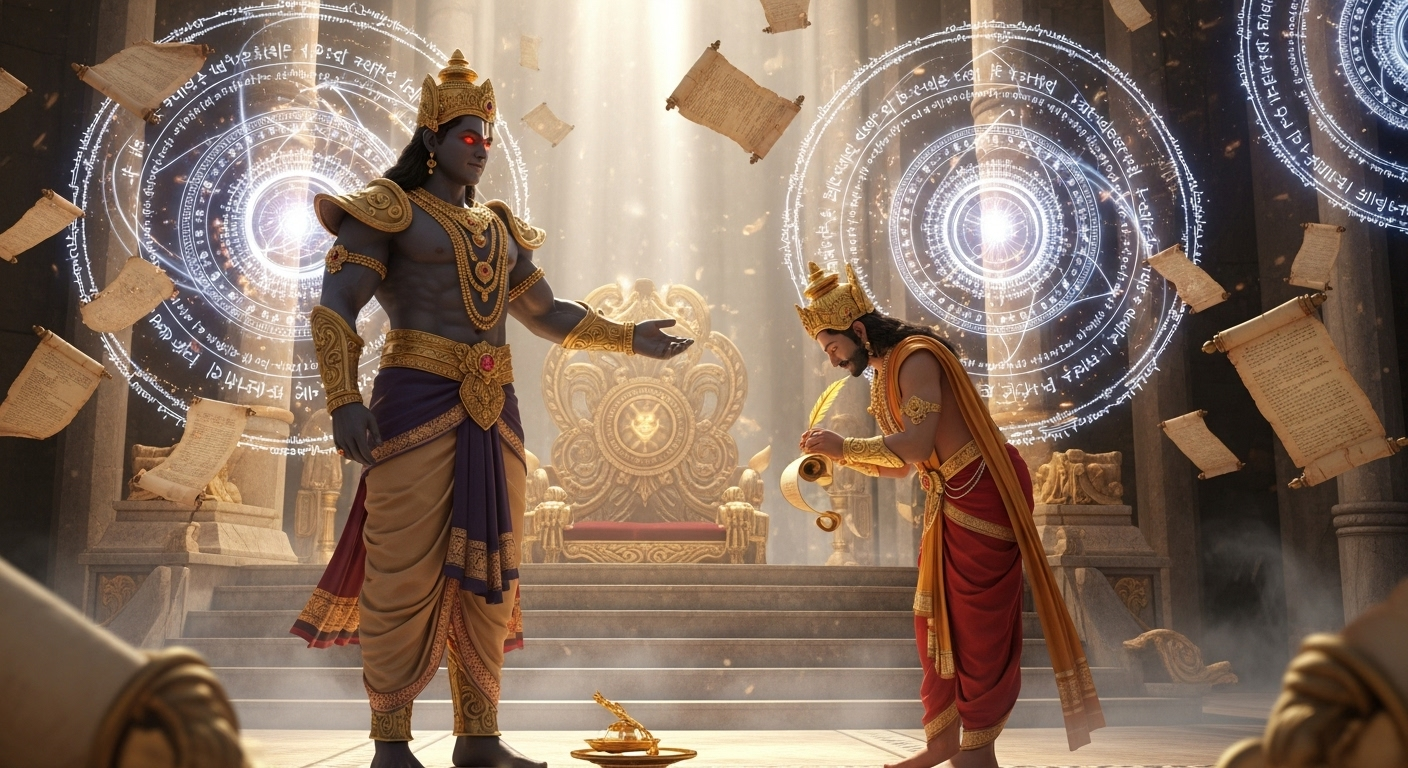
Chitragupta was given one of the most powerful and frightening responsibilities in the universe — to record every action of every soul. He was made the scribe of Yama, the god of death.
Whenever a person dies, Yama turns to Chitragupta’s record. In his cosmic ledger lies every thought, every deed, every act of kindness or cruelty. No exaggeration, no bias — only truth.
It’s said that even the gods respect Chitragupta’s accuracy. Because karma… is a law that even the gods cannot escape.
The Real Place
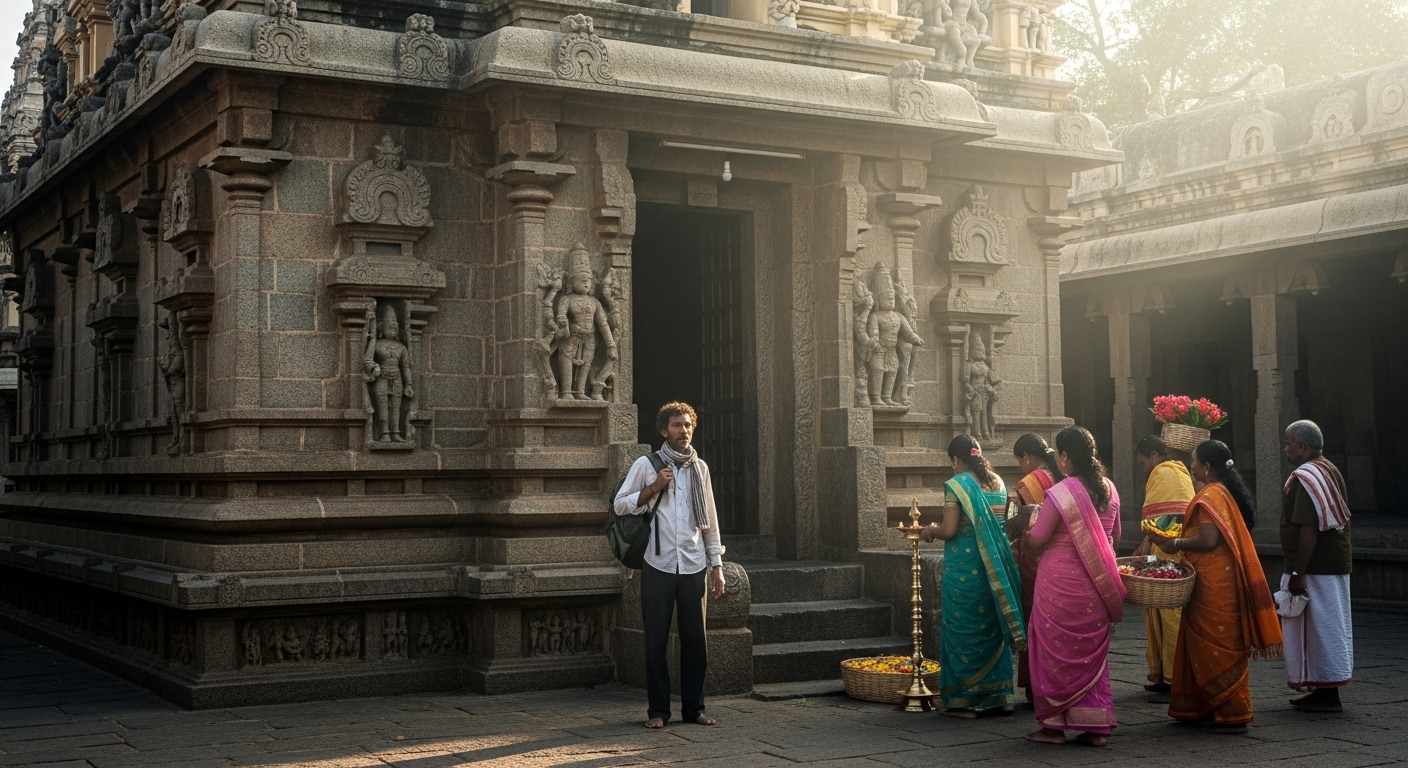
Now — travel with me to Kanchipuram, one of India’s seven sacred cities. Amid the grand temples of Vishnu and Shiva lies a modest yet deeply mystical shrine — the Chitragupta Swamy Temple.
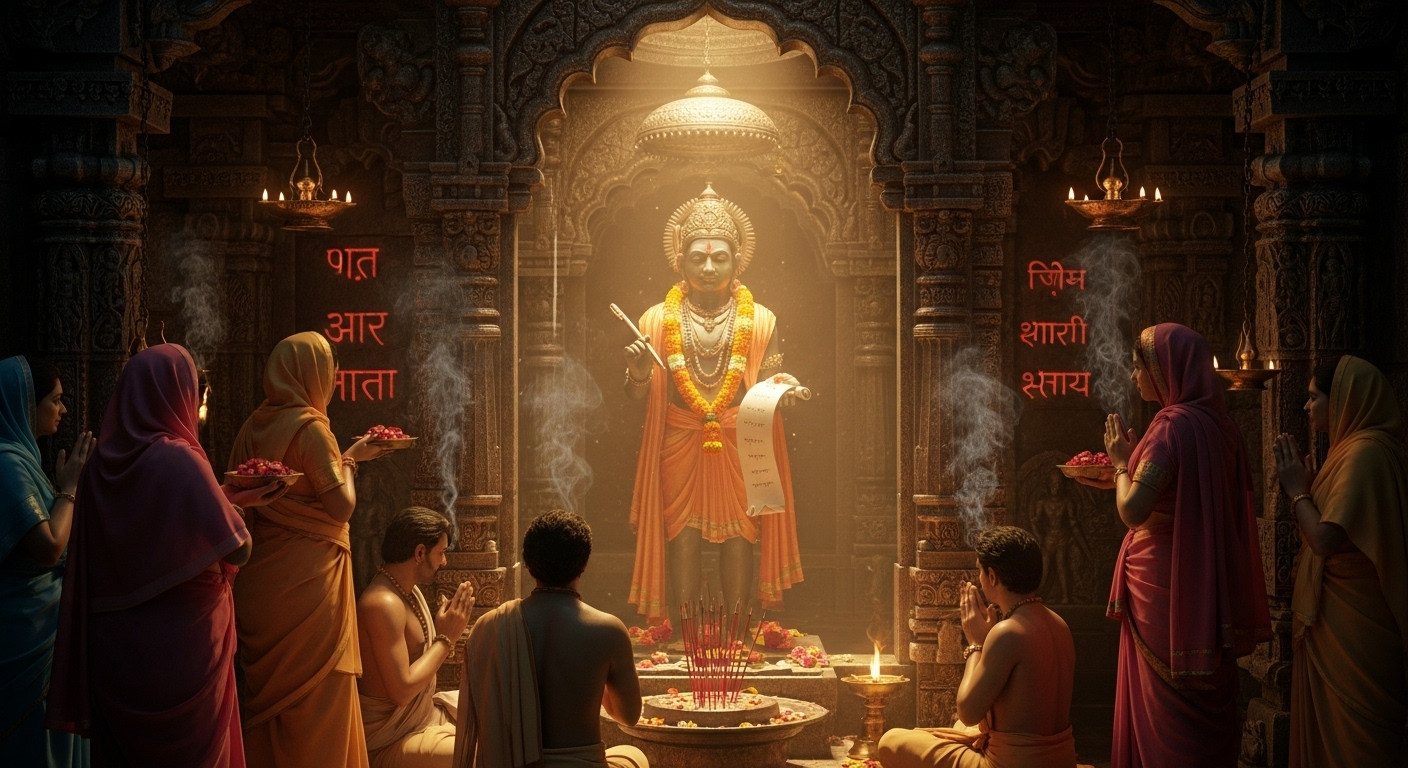
Built over a thousand years ago by the Chola kings, this is one of the very few temples in India dedicated solely to Chitragupta. Inside, the idol sits gracefully — pen in one hand, palm-leaf manuscripts in the other. On the walls, inscriptions tell his story — how he was born from Shiva’s drawing, how he keeps the cosmic ledger of karma.
Every year, during Chitra Pournami, the temple comes alive. Thousands of devotees arrive — not to ask for blessings… but to reflect. They light lamps, make offerings, and pray for forgiveness. Because on that day, it’s believed Chitragupta updates every soul’s life-record.
The Meaning Behind the Myth
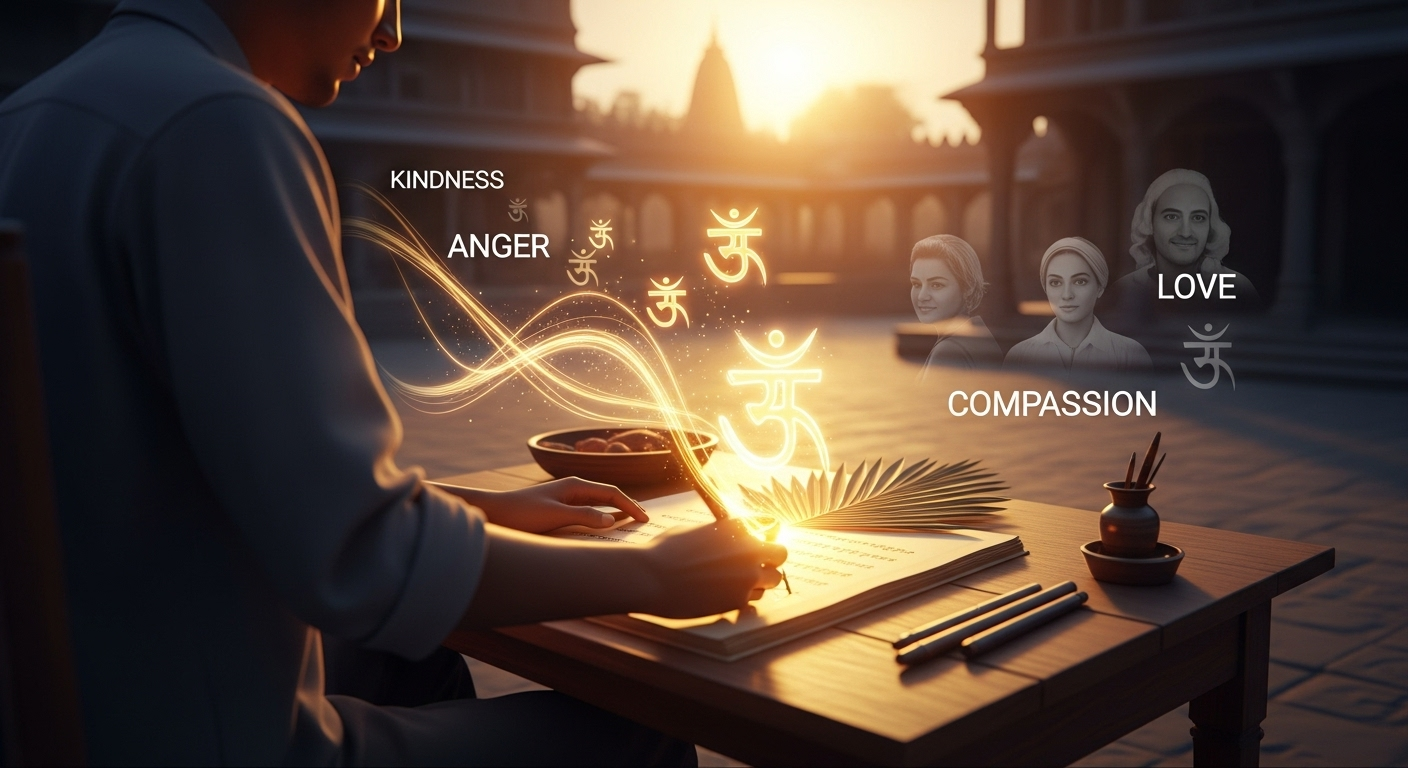
But here’s where it gets truly fascinating. Chitragupta isn’t just some cosmic accountant in the sky. He is the personification of our own conscience. In Sanskrit philosophy, he represents awareness — that inner witness watching you every moment.
The myth says he writes on palm leaves. Modern thinkers say he writes in your mind. Every time you act, you record your own karma. So, when you stand before his idol, you’re really standing before your own reflection. It’s not about fear of judgment — it’s about realization. That you are the author of your own record.
Philosophical Turn
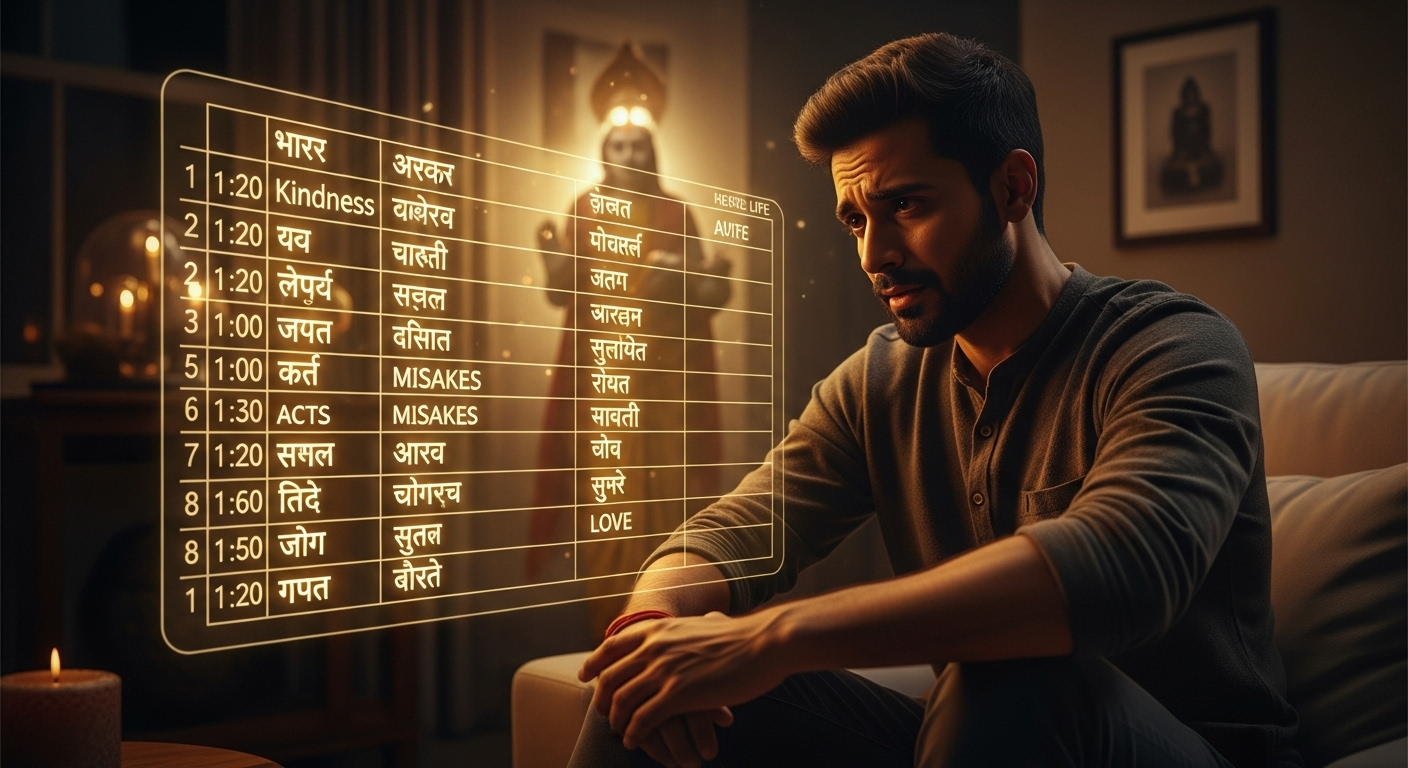
Here’s the twist that blows most people’s minds — In a world where everything is tracked — your location, your clicks, your words — an ancient temple already imagined a divine “data keeper” thousands of years ago.
Chitragupta is the original recorder, the spiritual database of existence. Except he doesn’t just log what you do… he logs why you do it. Intention. Emotion. Motive.
So if you help someone to gain fame, he marks that as vanity. If you help without expecting anything, he marks it as dharma. Every entry is not just about the action, but about the heart behind it. Now imagine your life as an open spreadsheet — what does your ledger look like?
Local Beliefs & Legends
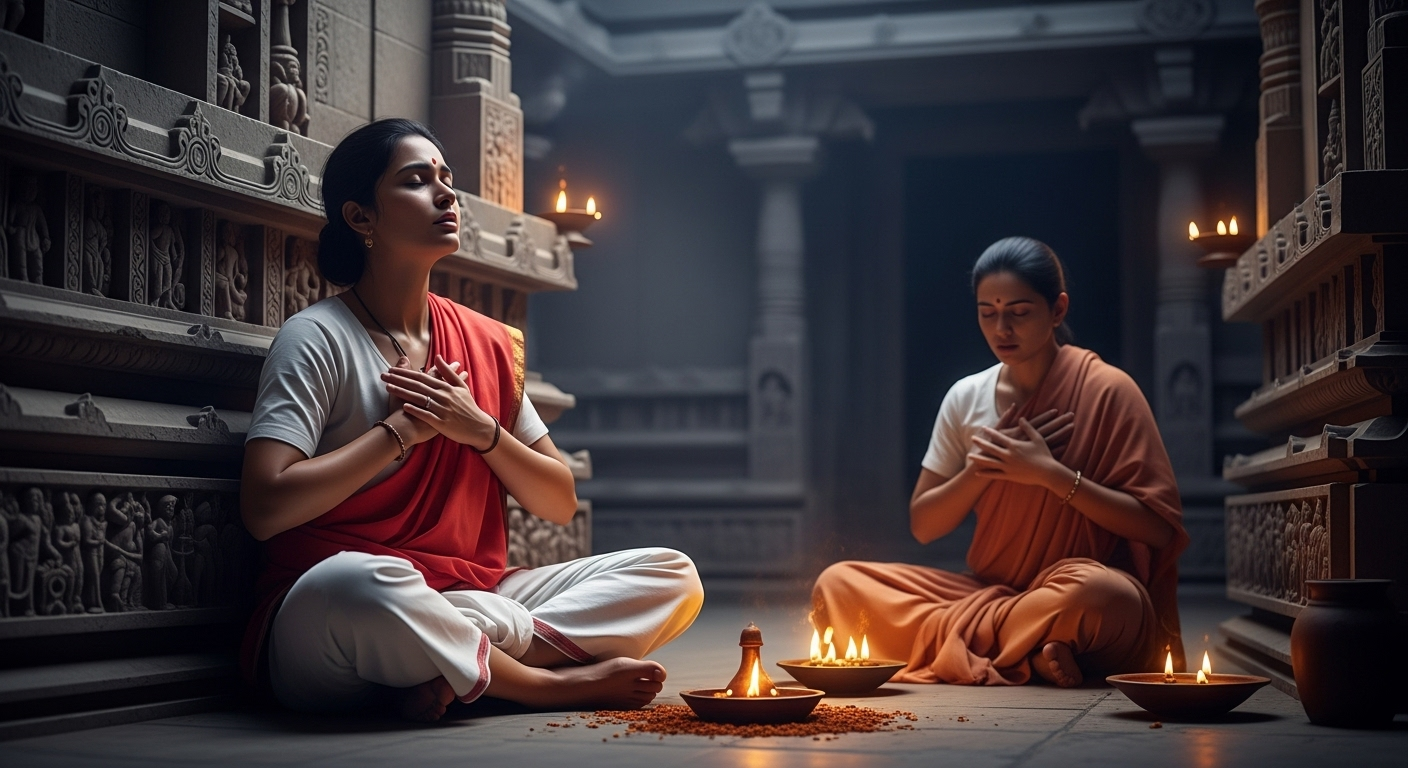
Locals believe that if you visit this temple on Chitra Pournami, you can erase a few dark entries from your record — but only if you truly repent. Some families even maintain symbolic “karma notebooks”, writing their wrongs, then burning the pages before his shrine.
It’s said that the temple’s energy is so serene, you can feel the weight of introspection pressing on your chest. Many devotees leave in tears — not from fear, but from realization.
Conclusion
Maybe we all have a Chitragupta inside us — quietly noting, silently observing. He doesn’t punish. He doesn’t reward. He simply reflects.
Because the universe doesn’t forget. Every thought counts. Every action echoes. So next time you speak a harsh word, tell a lie, help a stranger, or show kindness… remember — somewhere in the invisible pages of existence, it’s written.
And when your final chapter comes, that same hand will turn the page — not to condemn you… but to remind you of what you truly became. Ask yourself — if your ledger were opened today… would you be proud of it?
“If this story made you pause — hit like, share this with someone who needs this reminder today. And tell me in the comments: If you could ask Chitragupta to erase one entry from your life’s ledger… what would it be? I’ll feature the most powerful comments in the next episode. Subscribe, because next week, we’ll uncover another hidden god and the forgotten secrets of ancient India. Until then — live consciously, because the divine accountant… is always watching.”
Chitragupta Temple FAQs
Who is Chitragupta?
Who is Chitragupta?
Chitragupta is the divine accountant in Hindu mythology who records the good and bad deeds of every human being to determine their karma.
Where is the Chitragupta Temple located?
Where is the Chitragupta Temple located?
The Chitragupta Temple is located in Kanchipuram, Tamil Nadu, India. It is one of the few temples dedicated solely to Chitragupta.
What is special about Chitra Pournami?
What is special about Chitra Pournami?
Chitra Pournami is a festival celebrated at the temple, believed to be the day Chitragupta updates the life records of every soul. Devotees visit to pray for forgiveness and reflect on their deeds.
What is the significance of visiting this temple?
What is the significance of visiting this temple?
Visiting the Chitragupta Temple is believed to help in erasing bad karma through genuine repentance and introspection. It is a place for reflecting on one's actions and intentions.