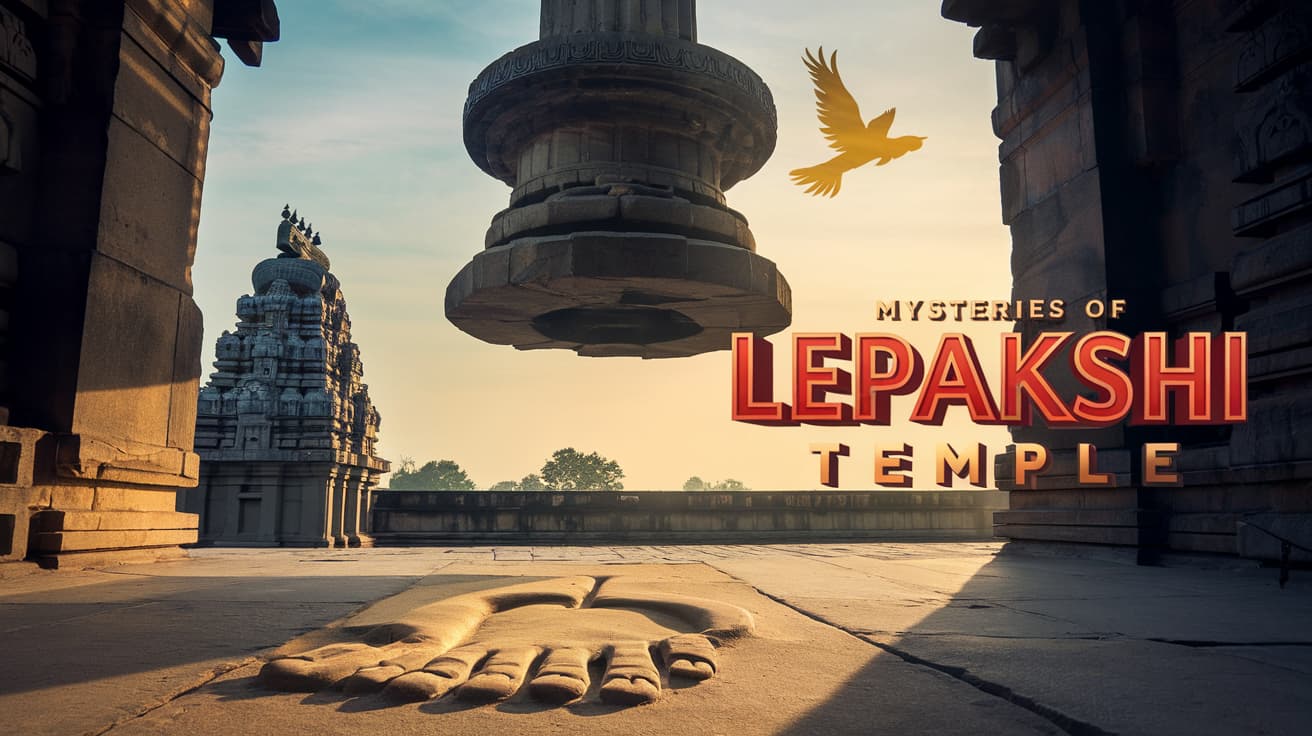
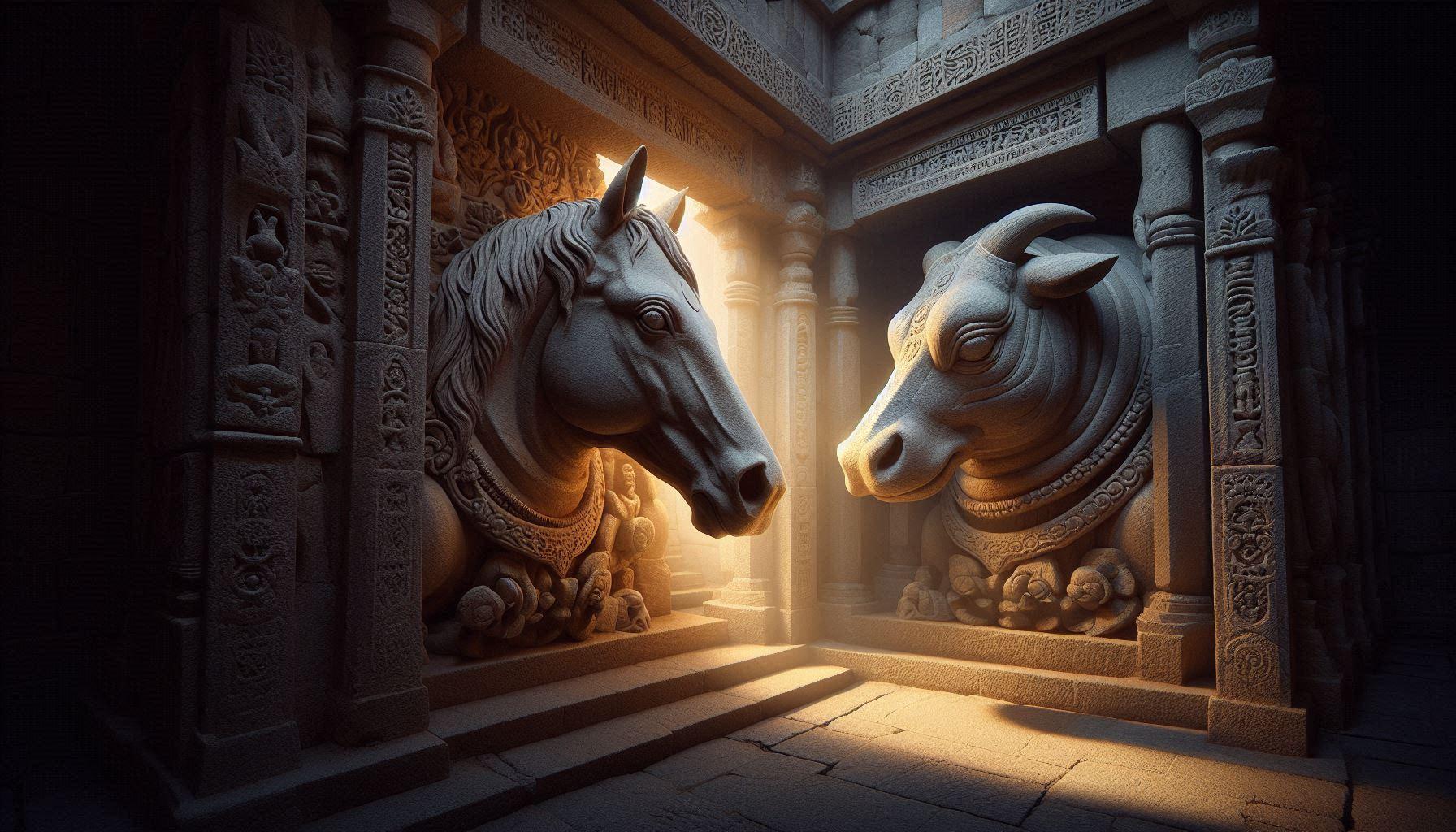
What if I told you there’s a temple in Tamil Nadu where the stairs can sing, the stone animals change shape before your eyes, and a sacred tank has healed gods themselves? Welcome to the Airavatesvara Temple—a Chola-era marvel that defies time, logic, and science.
Built in the 12th century by Raja Raja Chola II, this UNESCO World Heritage Site is not just an architectural wonder—it’s a living puzzle. Here, seven simple steps can produce the seven notes of Indian classical music, sculptures transform depending on where you stand, and myths of divine healing still echo through the corridors.
But perhaps the greatest mystery is how this temple has survived for centuries while grander Chola structures crumbled around it. Was it protected by faith, fate, or forgotten science?
Today, we’ll uncover five mind-bending mysteries hidden within its ancient stones… if you’re ready to step inside.
1. The Musical Steps of Airavatesvara Temple.
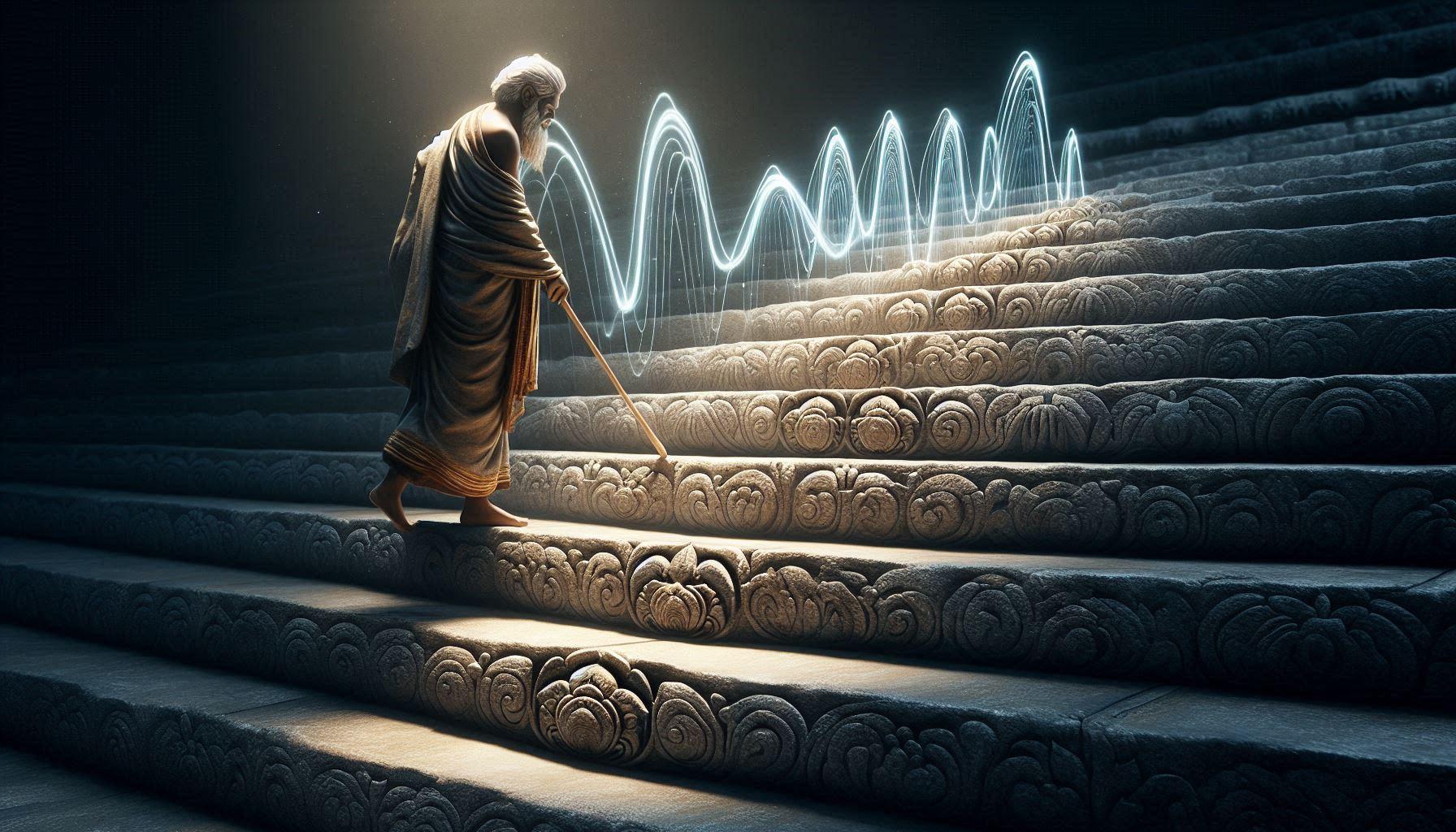
Imagine walking into an ancient Chola masterpiece, where even the stones beneath your feet can sing. At the Airavatesvara Temple in Darasuram, there’s a staircase unlike any other in the world—seven stone steps that each produce a distinct musical note when tapped. Locals say these are the seven swaras of Indian classical music—Sa, Re, Ga, Ma, Pa, Dha, Ni—etched into stone over 800 years ago.
How did 12th-century artisans achieve this without modern instruments, frequency calculators, or audio technology? Historians believe the secret lies in the density, size, and exact placement of each stone. Some theories suggest they used a hidden hollow beneath the staircase to enhance resonance, while others think the stones were chosen for their natural acoustic properties, much like how certain woods are chosen for making veenas and mridangams.
But here’s where the mystery deepens—no one has been able to perfectly recreate this phenomenon today. Modern architects have studied the staircase, taken measurements, even analyzed the stone composition, but the precise “musical engineering” of the Cholas remains unsolved. Was this simply artistic genius, or did they possess a lost science of sound and vibration that we no longer understand?
At Darasuram, even silence has a melody—if you know where to step.
2. The Optical Illusions of Stone.
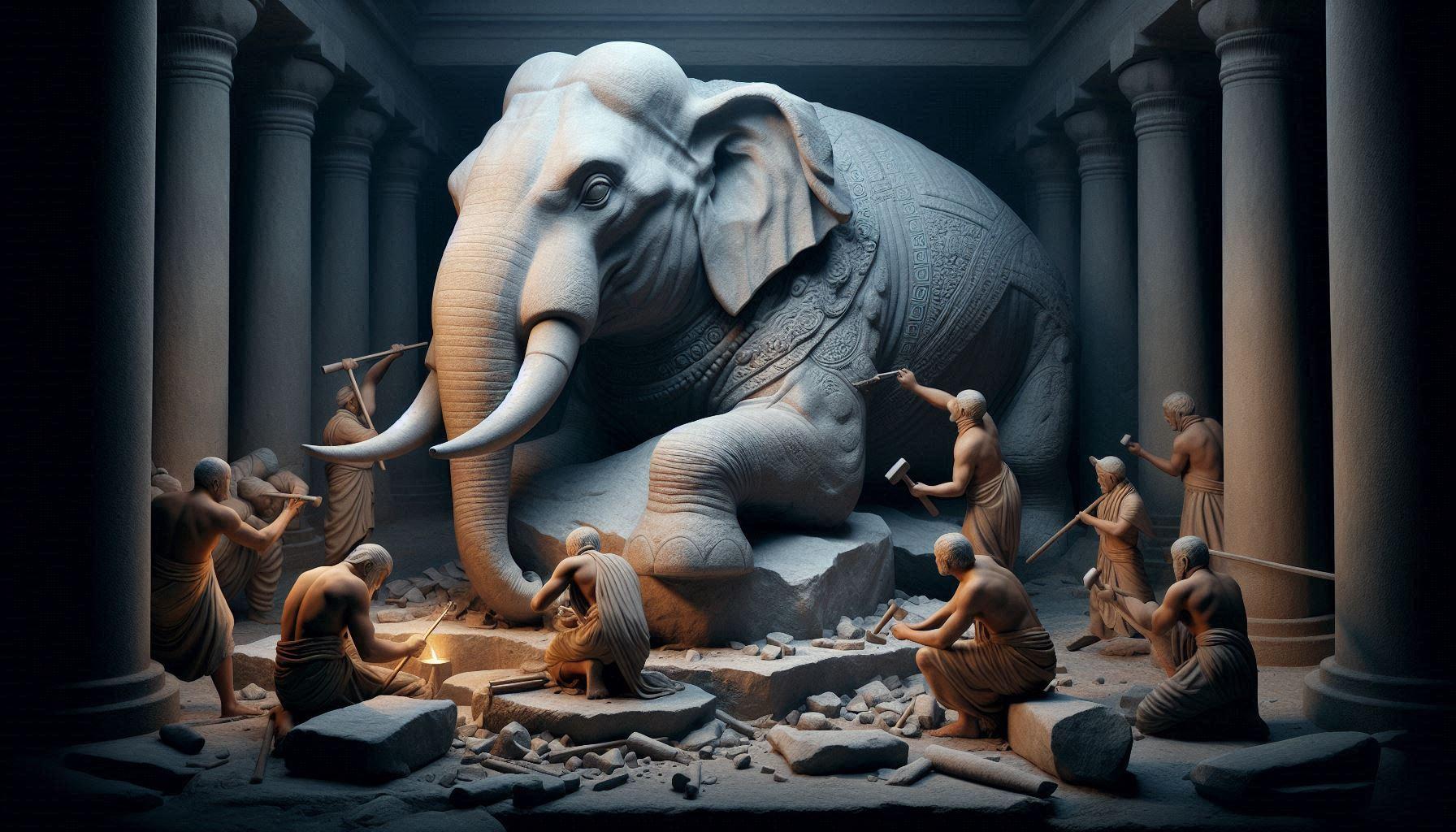
In the heart of the Airavatesvara Temple lies a sculpture that plays with your very perception of reality. From one angle, it looks like a mighty elephant; take a few steps to the side, and suddenly, it’s a serene bull. This is not a trick of the light, but a deliberate creation by Chola artisans over 800 years ago—crafted entirely from a single block of stone.
How could they achieve such precision in perspective, without cameras, computer models, or modern 3D tools? The illusion works because the sculpture combines the features of both animals into one form, carefully balancing depth, proportion, and angle so the human eye interprets it differently depending on where you stand.
This is just one example—across the temple, you’ll find pillars that seem to twist, carvings that change shape, and figures that look alive when light hits them at certain times of day. Such mastery of geometry, spatial awareness, and visual psychology would challenge even today’s architects.
Were these illusions merely artistic flourishes, or did they hold symbolic meanings—hidden messages meant only for the observant? At Darasuram, the stone doesn’t just stand still; it tells you that reality itself is a matter of perspective.
3. The Myth of Airavata and the Sacred Yamatheertham.
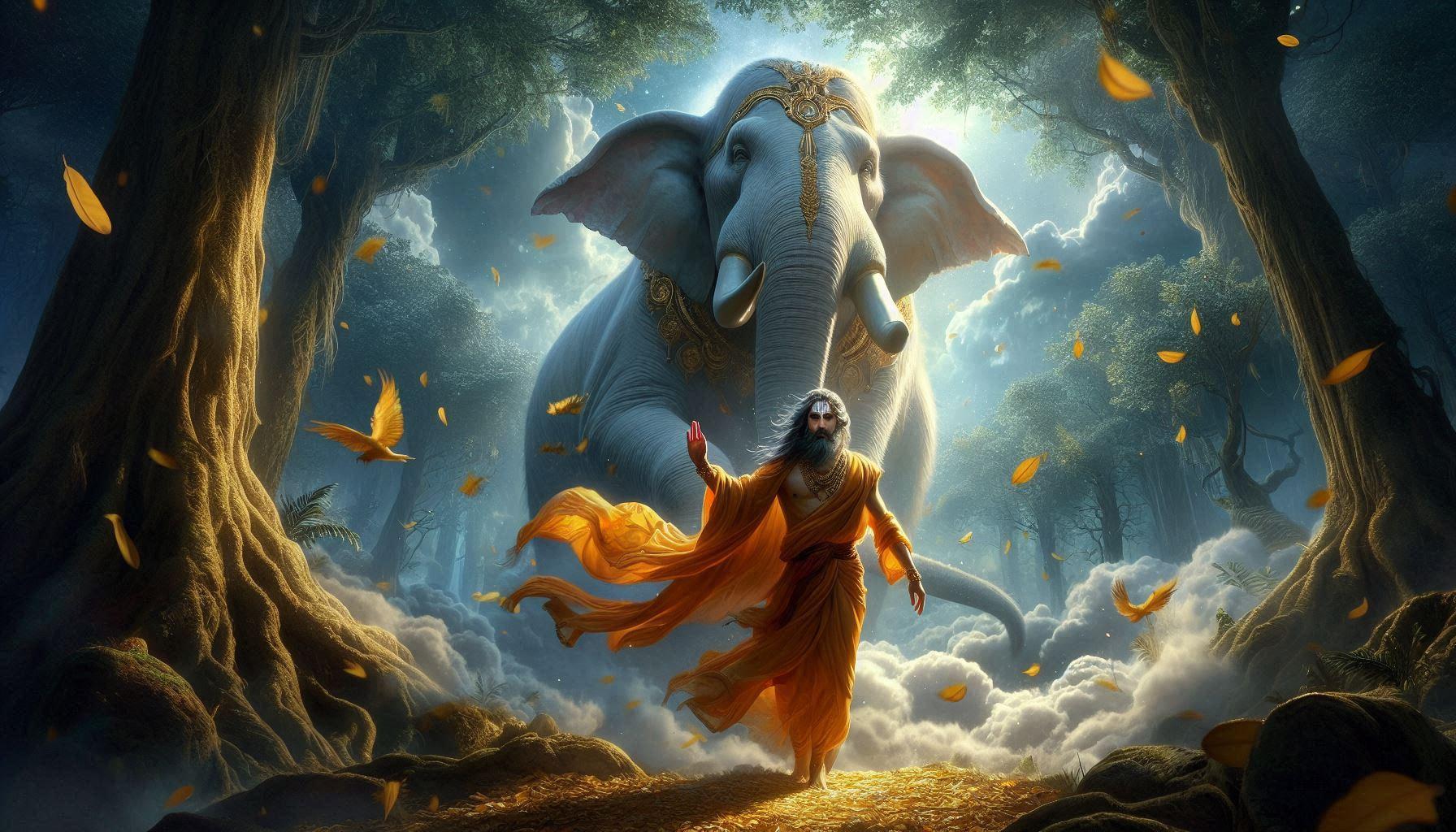
The very name Airavatesvara whispers an ancient legend. It is said that Airavata, the majestic white elephant of Lord Indra, was once cursed by the sage Durvasa. The curse stripped him of his divine radiance, leaving him weak and dull. Desperate for salvation, Airavata descended to earth and bathed in the sacred tank at Darasuram, known as Yamatheertham. The waters, blessed by Lord Shiva himself, restored his purity and strength.
But Airavata wasn’t the only one drawn to these miraculous waters. Another legend tells of Yama—the god of death—who suffered from a burning curse inflicted by a sage. Even the lord of the underworld could not bear the torment. He too sought relief in Yamatheertham, and after immersing himself in its cool depths, he was freed from his suffering.
Believers say the waters here still hold that divine energy, capable of cleansing not just the body but also karmic burdens. Yet, geologists and scientists remain puzzled—tests show the water is pure, but no mineral composition fully explains its mythical healing powers.
Is Yamatheertham merely a pond, or a timeless reservoir of cosmic grace? In Darasuram, myths and miracles merge until they feel inseparable from reality.
4. The Vanished Grandeur of a Lost Temple City.
Today, the Airavatesvara Temple stands as a compact yet breathtaking monument—but ancient records tell a far grander story. Inscriptions and historical accounts reveal that this was once part of a vast temple complex, with seven concentric courts and surrounding streets, much like the sprawling Srirangam Temple. Scholars believe the original structure was so massive that it functioned as the spiritual and cultural heart of an entire city.
So, what happened to it? Over the centuries, the Chola dynasty fell, invasions swept through Tamil Nadu, and many temples were looted or destroyed. Yet, Airavatesvara somehow survived—albeit reduced in size—while others vanished completely. Some suggest it was spared because it was partially hidden by encroaching earth and vegetation, escaping the eyes of pillagers. Others think later rulers like the Pandyas and Vijayanagara kings actively protected it, as inscriptions record their gifts and restorations.
Archaeologists are still piecing together its lost layout, but gaps remain. Why was such a monumental complex left to shrink into a smaller shrine? And why do so few detailed records exist about its full glory?
It’s as if the temple guards its own history, revealing only fragments—leaving us to imagine the grandeur that once stood here.
5. The Architectural Genius Hidden in Stone.
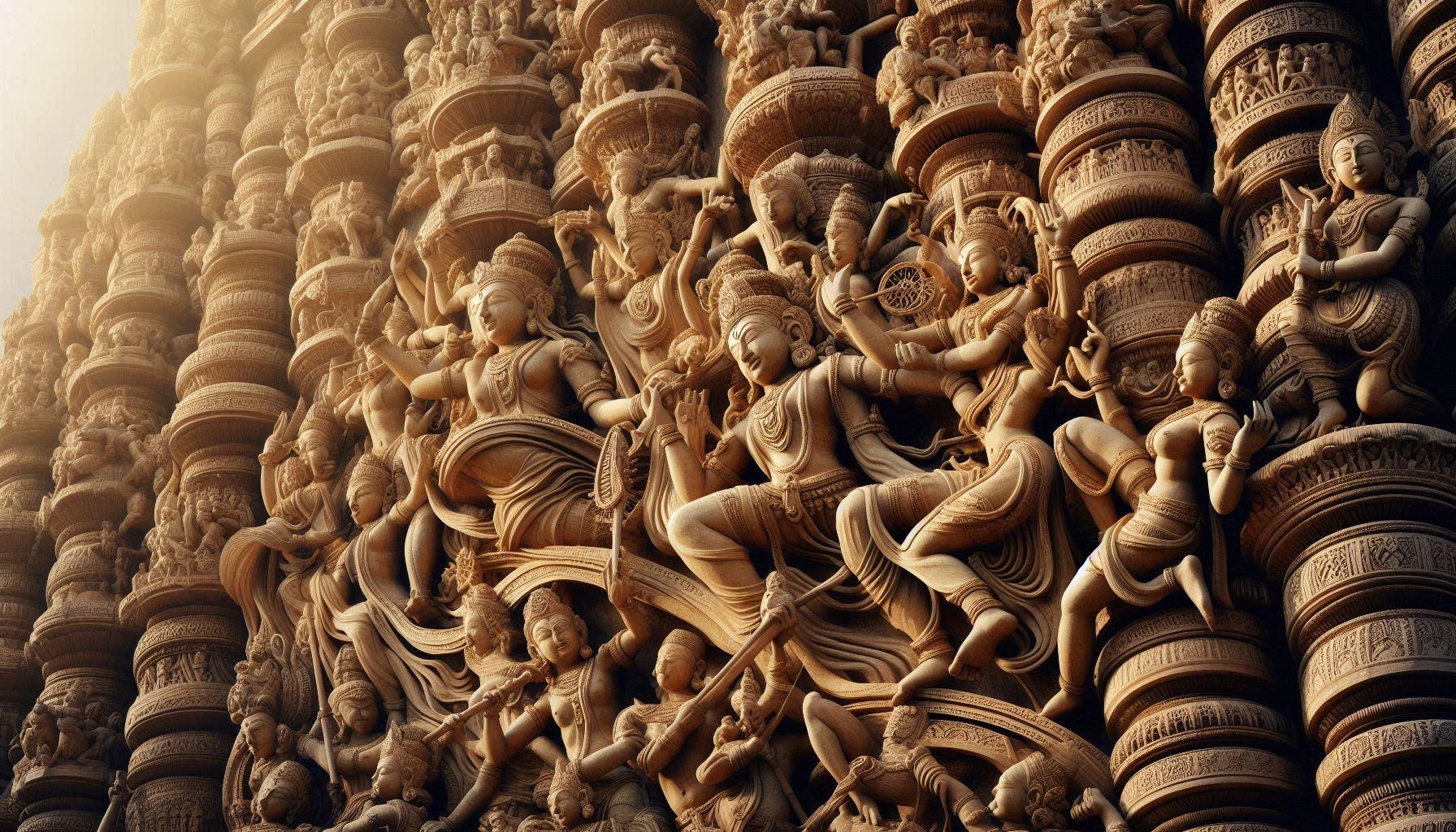
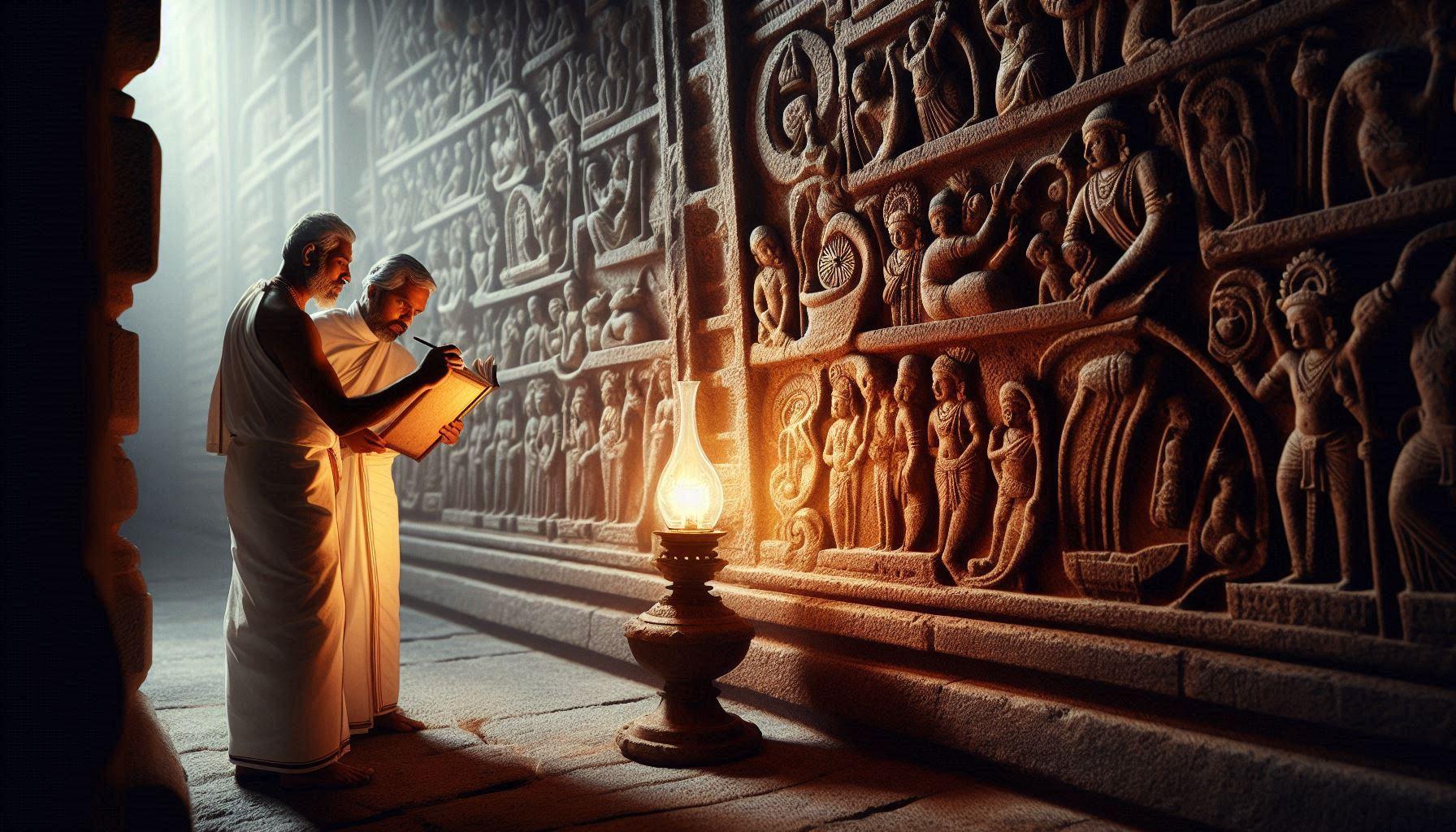
Every inch of the Airavatesvara Temple feels like a coded message from the Chola architects to the future. The walls are alive with sculptures so detailed that even a strand of a dancer’s hair or the folds of a sari are carved with lifelike precision. But beyond beauty lies a deeper mystery—the mathematical and engineering mastery behind the temple’s construction.
The proportions of the sanctum, the alignment of the pillars, and the symmetry of the corridors all follow principles that mirror advanced geometry. Some experts believe the Cholas incorporated acoustic engineering into their design, not only in the musical steps but in the way chants and conch sounds reverberate perfectly inside the sanctum. Others point out that the temple is built on a stone plinth shaped like a massive chariot, symbolizing movement—yet it has stood immovable for over 800 years, surviving earthquakes, floods, and time itself.
What’s even more puzzling is that the exact tools and measuring systems they used remain unknown. There are no surviving manuals, no blueprints—only the finished masterpiece.
Was this genius born purely from skill and experience, or did the Cholas possess an ancient science now lost to us? At Darasuram, the stones don’t just stand—they whisper secrets in silence.
Conclusion, The Timeless Riddle of Darasuram.
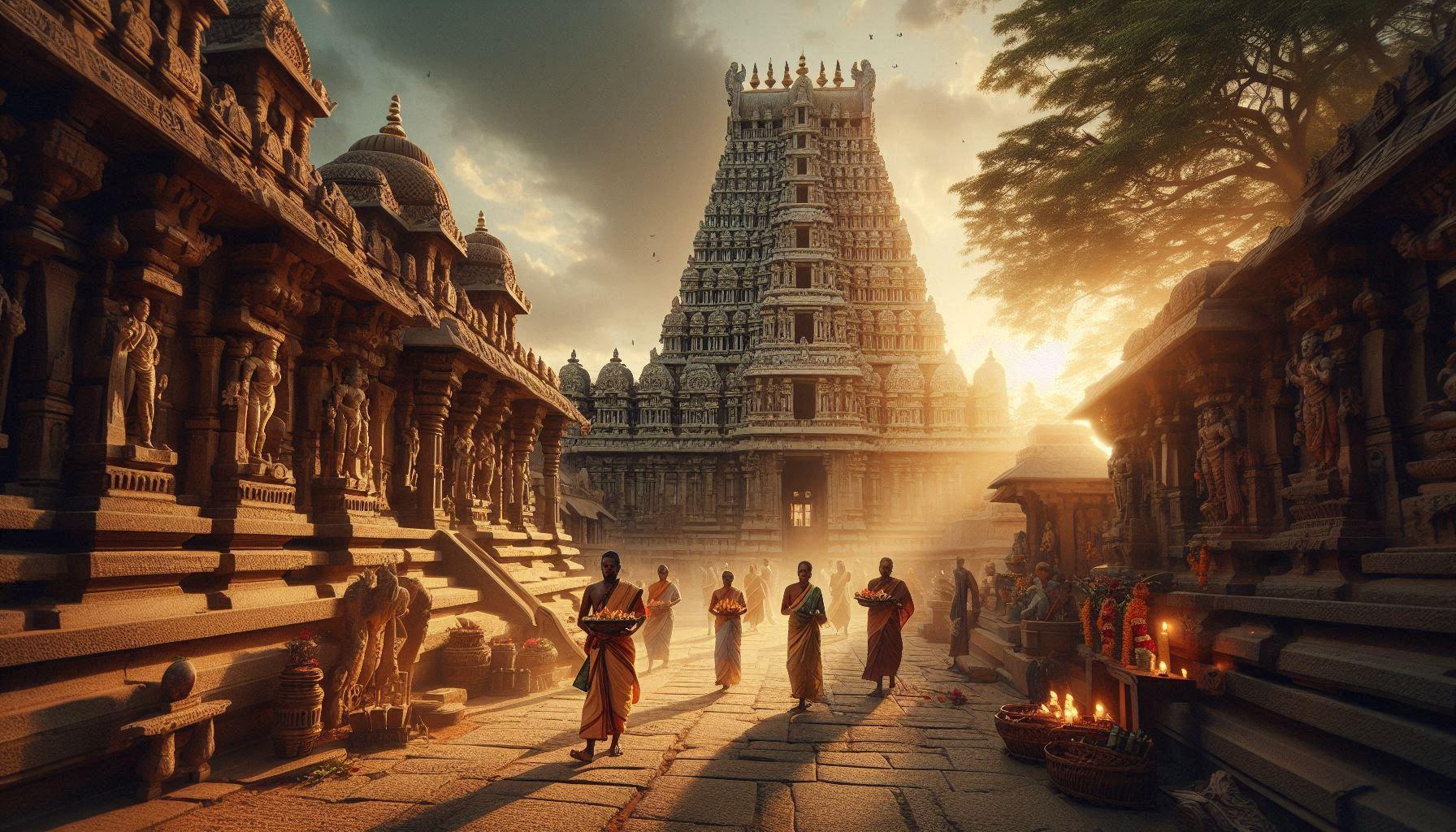
The Airavatesvara Temple is more than stone and sculpture—it’s a riddle carved into the heart of Tamil Nadu. From musical steps that defy modern replication, to optical illusions that challenge your perception, to a sacred tank said to have healed gods, every corner hides a secret. Its survival through centuries of invasions and natural disasters only deepens the mystery, as if an unseen hand has guarded it for future generations.
Standing before its intricate carvings, you can’t help but wonder—did the Chola artisans simply possess unmatched skill, or were they tapping into an ancient knowledge of sound, geometry, and energy now lost to us?
One thing is certain: the Airavatesvara Temple is not just a monument you visit—it’s an experience that lingers in your mind, whispering questions long after you leave. And maybe… some mysteries are meant to remain unsolved.
Airavatesvara Temple FAQs
Where is Airavatesvara Temple located?
Where is Airavatesvara Temple located?
Airavatesvara Temple is located in Darasuram, near Kumbakonam in Tamil Nadu, India. It is one of the Great Living Chola Temples recognized by UNESCO.
Who built Airavatesvara Temple?
Who built Airavatesvara Temple?
Airavatesvara Temple was built in the 12th century CE by Rajaraja Chola II of the Chola dynasty, renowned for their magnificent temple architecture.
Why is Airavatesvara Temple famous?
Why is Airavatesvara Temple famous?
The temple is famous for its exquisite stone carvings, detailed sculptures, musical steps that produce sounds, and its status as a UNESCO World Heritage Site.
Which deity is worshipped at Airavatesvara Temple?
Which deity is worshipped at Airavatesvara Temple?
Airavatesvara Temple is dedicated to Lord Shiva, worshipped here as Airavatesvara, named after Airavata, the white elephant of Indra who is believed to have worshipped Shiva at this temple.
What are the temple timings of Airavatesvara Temple?
What are the temple timings of Airavatesvara Temple?
The temple is usually open from 6:00 AM to 12:30 PM and from 4:00 PM to 8:30 PM. Timings may vary on special occasions and festivals.
What is the significance of Airavatesvara Temple?
What is the significance of Airavatesvara Temple?
Airavatesvara Temple showcases the height of Chola architecture, blending spirituality with artistic excellence. It is considered a masterpiece of Dravidian temple design and holds great cultural and historical importance.
How to reach Airavatesvara Temple?
How to reach Airavatesvara Temple?
The temple is about 4 km from Kumbakonam, 40 km from Thanjavur, and well connected by road and rail. The nearest airport is Tiruchirappalli International Airport, around 90 km away.