What if I told you… that the Creator of the Universe himself — the god who shaped the sun, the moon, the stars, and life itself — is worshipped in only one major temple in the whole of India? Yes, Lord Brahma, the grand architect of existence, has just a single shrine dedicated to him… in Pushkar, Rajasthan. But why?
This is where the mystery begins.
Why does Vishnu, the preserver, have countless temples? Why does Shiva, the destroyer, reign across mountains and rivers? And yet Brahma, the Creator, remains almost forgotten. Was it a curse? A cosmic plan? Or a truth too powerful for mankind to hold?
At the heart of Pushkar, beside a sacred lake born of a falling lotus, stands a temple unlike any other. Its red spire pierces the sky, its sanctum holds a four-faced idol, and its rituals whisper stories of betrayal, curses, and divine fire. Even the rules here defy logic — married men cannot enter the inner sanctum. Why such restrictions? What secret lies behind this tradition?
Tonight, we uncover five great mysteries of the Pushkar Brahma Temple — legends that blur the line between myth and reality, leaving us to ask: Why was the Creator condemned to be remembered in only one place on Earth?
1. Why Only One Brahma Temple Exists?
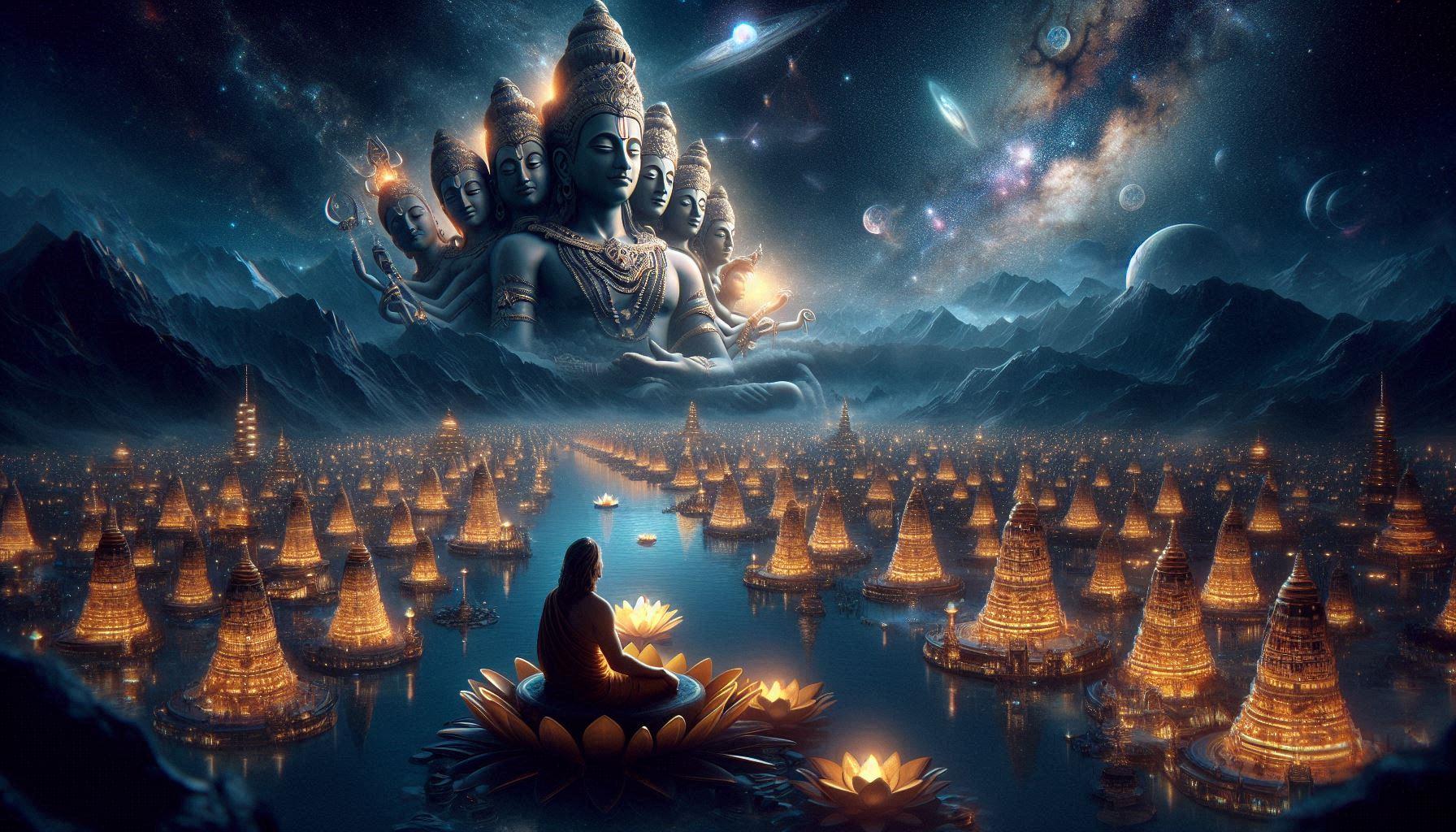
Imagine this… Lord Vishnu has thousands of temples across India. Lord Shiva? Countless shrines on every hill and riverbank. But when it comes to Lord Brahma — the Creator of the entire universe — there is just one grand temple, in Pushkar, Rajasthan.
Isn’t that strange? The god who brought life itself into existence… barely worshipped. Why?
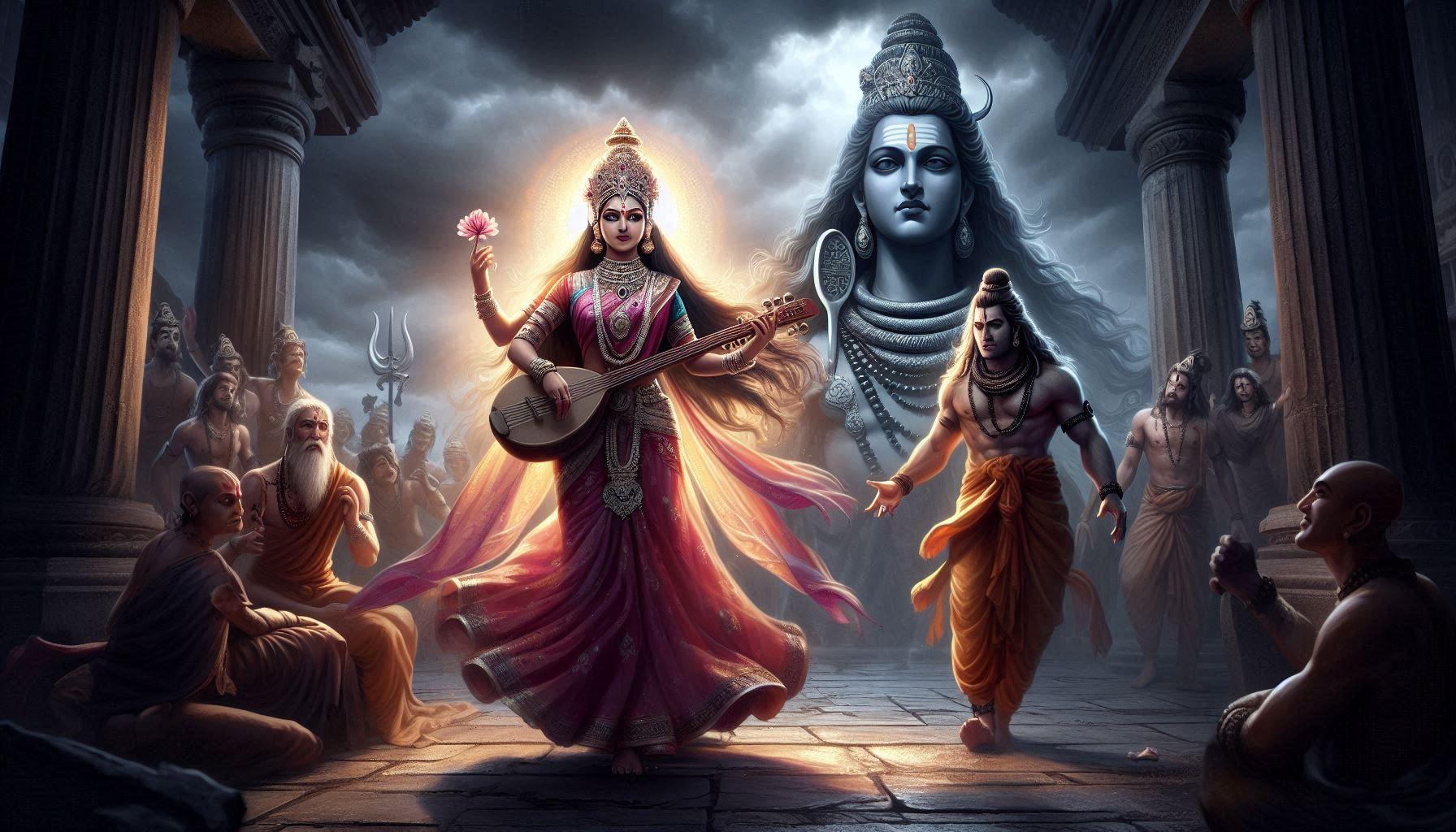
The legend takes us back to ancient times. Brahma, the Creator, descended to Earth to perform a powerful yajna at Pushkar. But destiny had a twist. When his wife, Goddess Savitri, failed to arrive on time, Brahma, fearing an inauspicious delay, married a local woman named Gayatri and began the ritual. When Savitri finally appeared, she was furious. Feeling betrayed, she cursed Brahma: “From this day on, no one will worship you on Earth. You will be remembered only in Pushkar.”
And so it was sealed. Brahma — the divine Creator — was stripped of temples, his worship confined to a single place.
Even today, pilgrims ask: Was this just a story? Or could there be a deeper meaning? Perhaps creation itself was meant to remain a mystery, beyond human rituals.
2. The Sacred Pushkar Lake and the Falling Lotus.
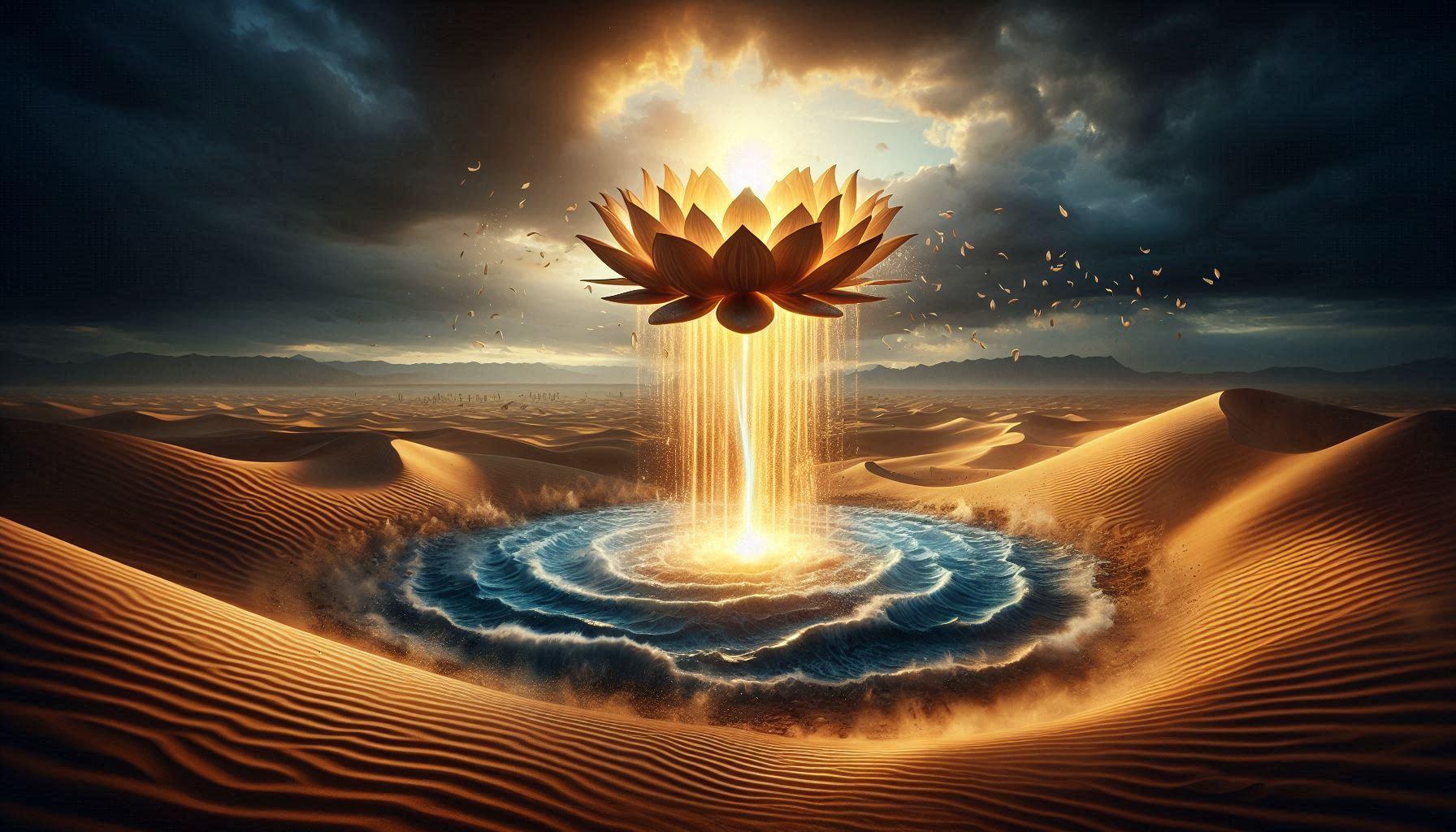
Picture this… a barren desert in Rajasthan, dry winds sweeping across the sands. And suddenly — a lotus flower falls from the heavens, landing on the earth with a divine tremor. From that very spot, water gushed forth, forming what we now know as Pushkar Lake.
The story goes that Lord Brahma, searching for a holy site to perform his yajna, dropped a lotus flower from his hand. Wherever the petals landed, sacred lakes were born. The main flower struck Pushkar, creating the central lake, while other petals gave rise to smaller water bodies around the region.
But here’s the mystery: Pushkar Lake is not an ordinary water reservoir. Surrounded by 52 bathing ghats and over 500 temples, it is said that taking a dip here cleanses one of lifetimes of sins. During Kartik Purnima, millions of devotees gather to bathe, believing the waters turn more potent on that night.
Scientists may call it mineral-rich desert groundwater, but locals insist the lake is infused with Brahma’s cosmic energy.
So the question remains: Is Pushkar Lake simply a geographical wonder, or is it truly the lake of creation, touched by the hand of the Creator himself?
3. Savitri’s Curse and the Strange Restrictions in the Temple.
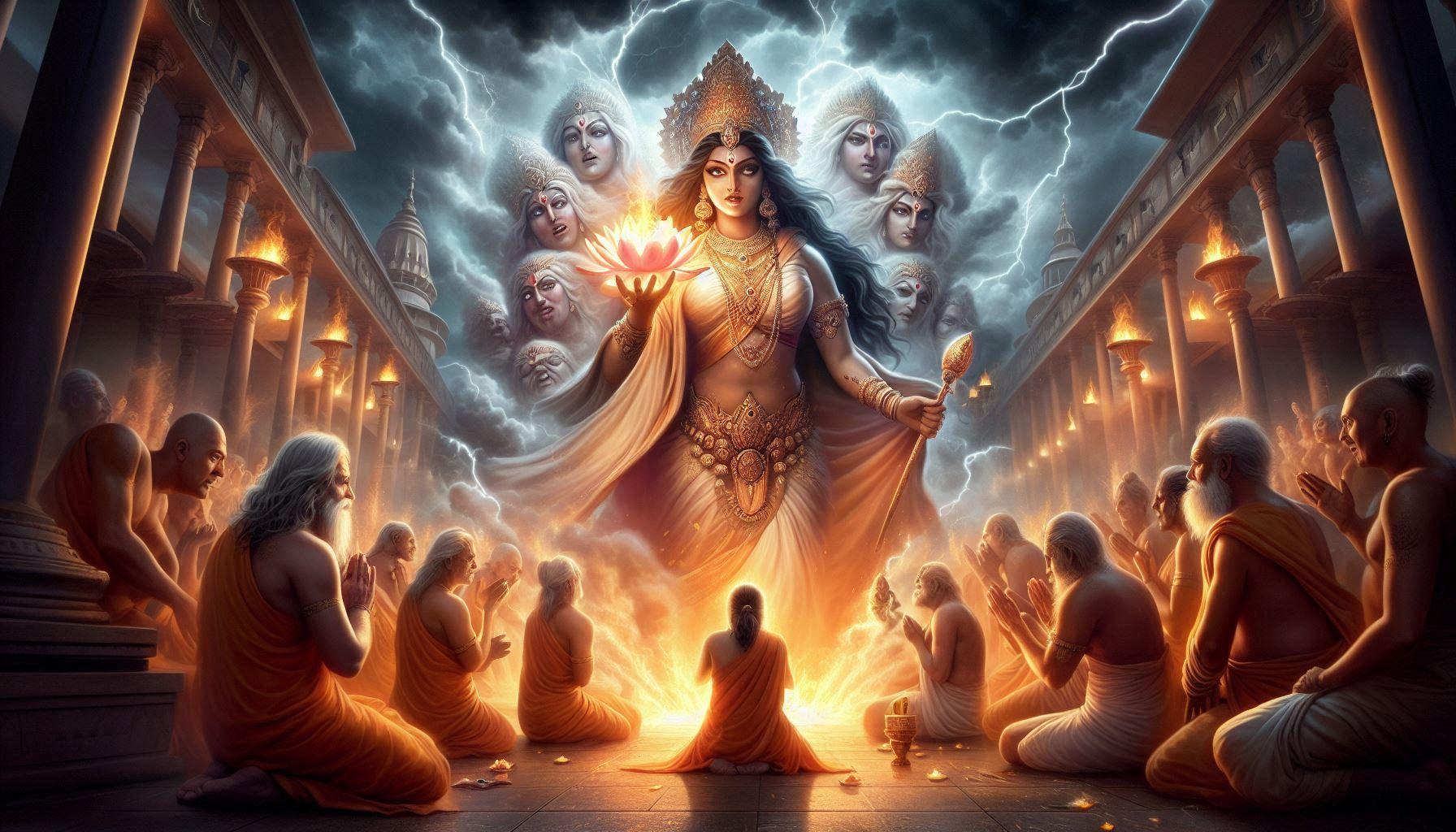
Step inside the Brahma Temple, and you’ll notice something unusual. Unlike most Hindu temples, married men are not allowed to enter the inner sanctum. Only sanyasis — renunciants who’ve left worldly life — can step close to the idol of Brahma. But why such a strange restriction?
The answer lies in a legend filled with anger and betrayal. When Goddess Savitri arrived late for Brahma’s yajna and saw him seated with Gayatri, her fury knew no bounds. She cursed Brahma, declaring that he would never be widely worshipped. But her wrath didn’t end there — it extended to mortal men too. It is said that married men, bound by worldly attachments, cannot fully grasp the purity of Brahma’s creation. Thus, they are kept away from the sanctum, while sanyasis, free from desires, are granted entry.
To this day, priests at Pushkar maintain this rule, and devotees follow it with reverence. It’s not just about tradition — it’s about honoring Savitri’s decree, etched into the temple’s very identity.
So here lies the mystery: Was this a divine punishment, or a hidden teaching — a reminder that creation itself demands sacrifice, detachment, and surrender?
4. The Four-Faced Idol and the Hamsa Symbol.
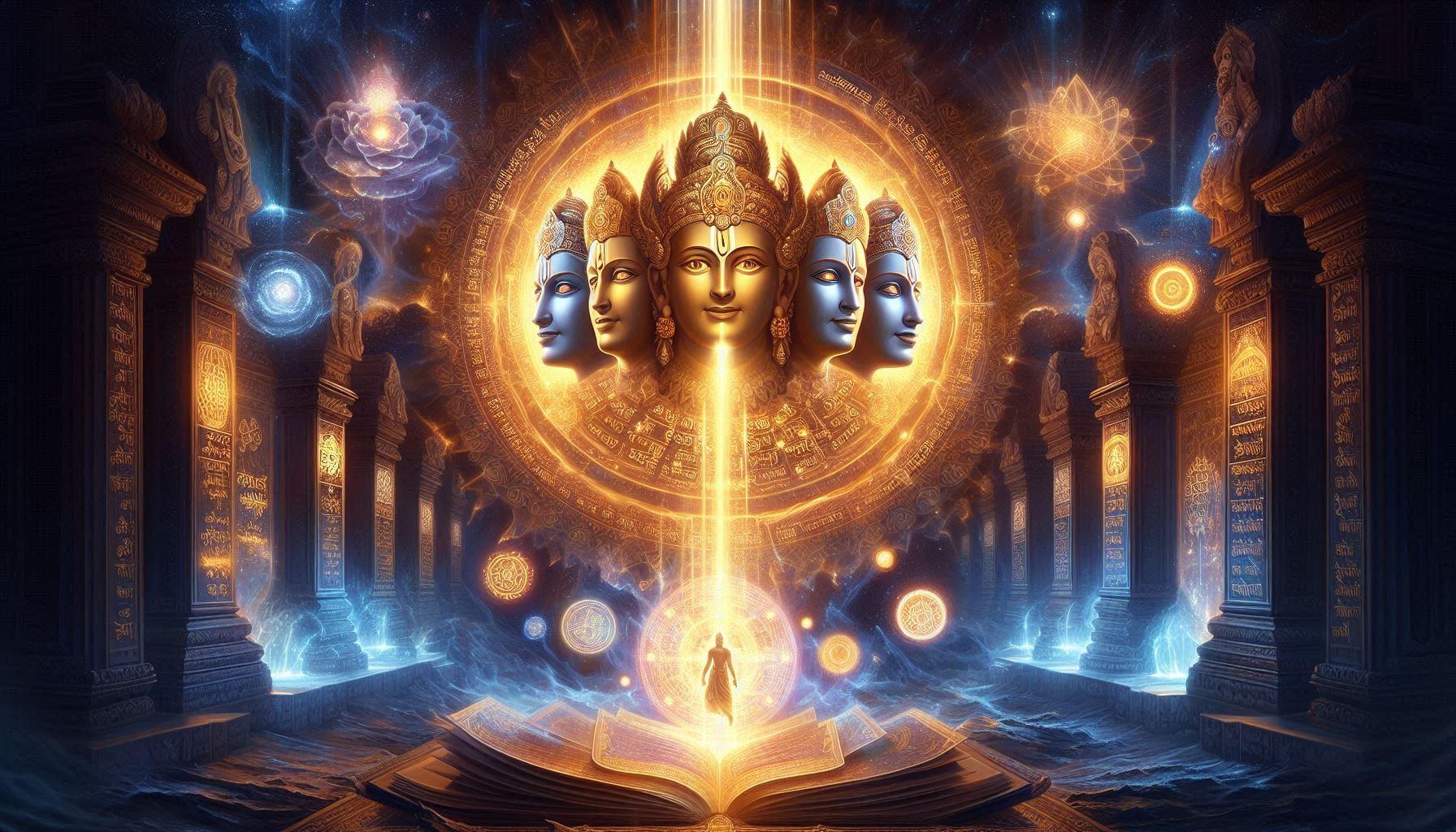
Enter the sanctum of Pushkar’s Brahma Temple, and your eyes are drawn to something extraordinary — a chaturmukhi idol, Brahma with four faces, each looking in a different direction. Unlike other deities, whose idols usually face one way, Brahma watches over all of existence at once.
Why four faces? Scriptures say they represent the four Vedas — Rigveda, Yajurveda, Samaveda, and Atharvaveda — the very foundation of knowledge. They also symbolize the four yugas (ages), the four directions, and even the four stages of human life. In essence, Brahma’s gaze covers all of time, space, and wisdom simultaneously.
Beside him, another motif dominates the temple walls — the Hamsa, the sacred swan. In Hindu thought, the swan is no ordinary bird. It is said to have the mythical ability to separate milk from water, symbolizing discrimination between truth and illusion. For this reason, Brahma is called “Hamsavahana” — the one who rides the swan.
But here lies the mystery: Was this just symbolism, or could it be ancient science? Did the sages of old encode cosmic truths in these motifs — that creation, knowledge, and discernment are inseparable?
The idol doesn’t just depict a god… it whispers of a philosophy deeper than we imagine.
5. The Eternal Yajna of Brahma at Pushkar.
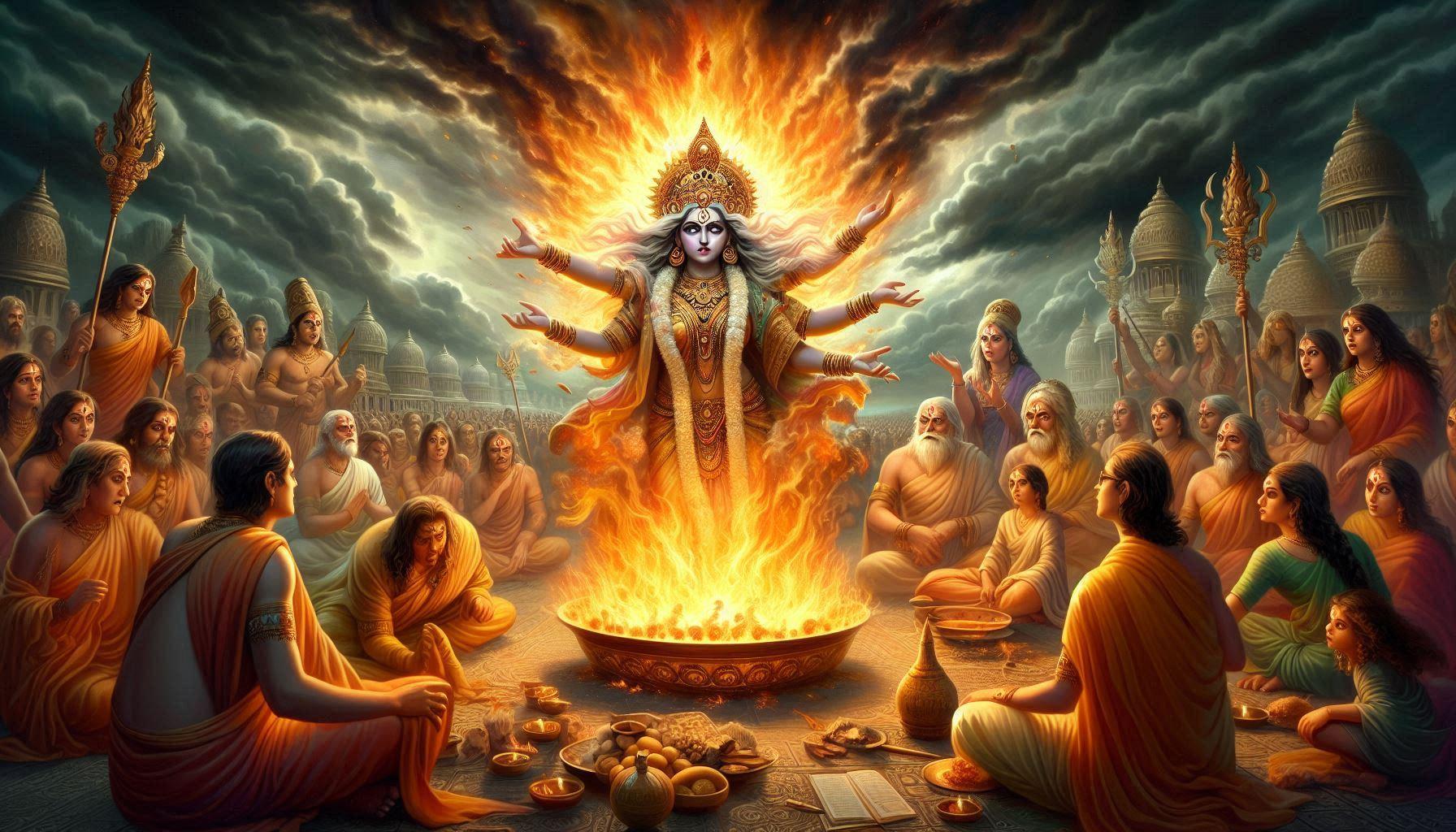
Every temple has its rituals, but at Pushkar, the air feels different — as though an ancient fire still burns invisibly. According to legend, this is because Lord Brahma himself once performed a yajna (sacred fire ritual) here, and its power never truly ended.
The story tells us that Brahma, seeking to purify the world, descended to Pushkar. With gods and sages as witnesses, he lit the holy fire by the lake. But the yajna was not without conflict. His late arrival of Savitri and the hasty marriage to Gayatri added fury and curses to the ritual. Yet, despite the chaos, the yajna was completed — and Pushkar became sanctified forever.
Even today, devotees believe that the energy of that ancient yajna still lingers in the atmosphere, pulsing through the temple and lake. Priests chant mantras as though continuing what Brahma began ages ago. Pilgrims who visit say the air feels charged, as if fire and creation itself are alive in the desert winds.
So the question remains: Was Brahma’s yajna a one-time ritual of the gods, or is it still burning eternally — unseen, unfelt, but forever shaping the destiny of Pushkar?
Final Thoughts, The Forgotten Creator’s Legacy.
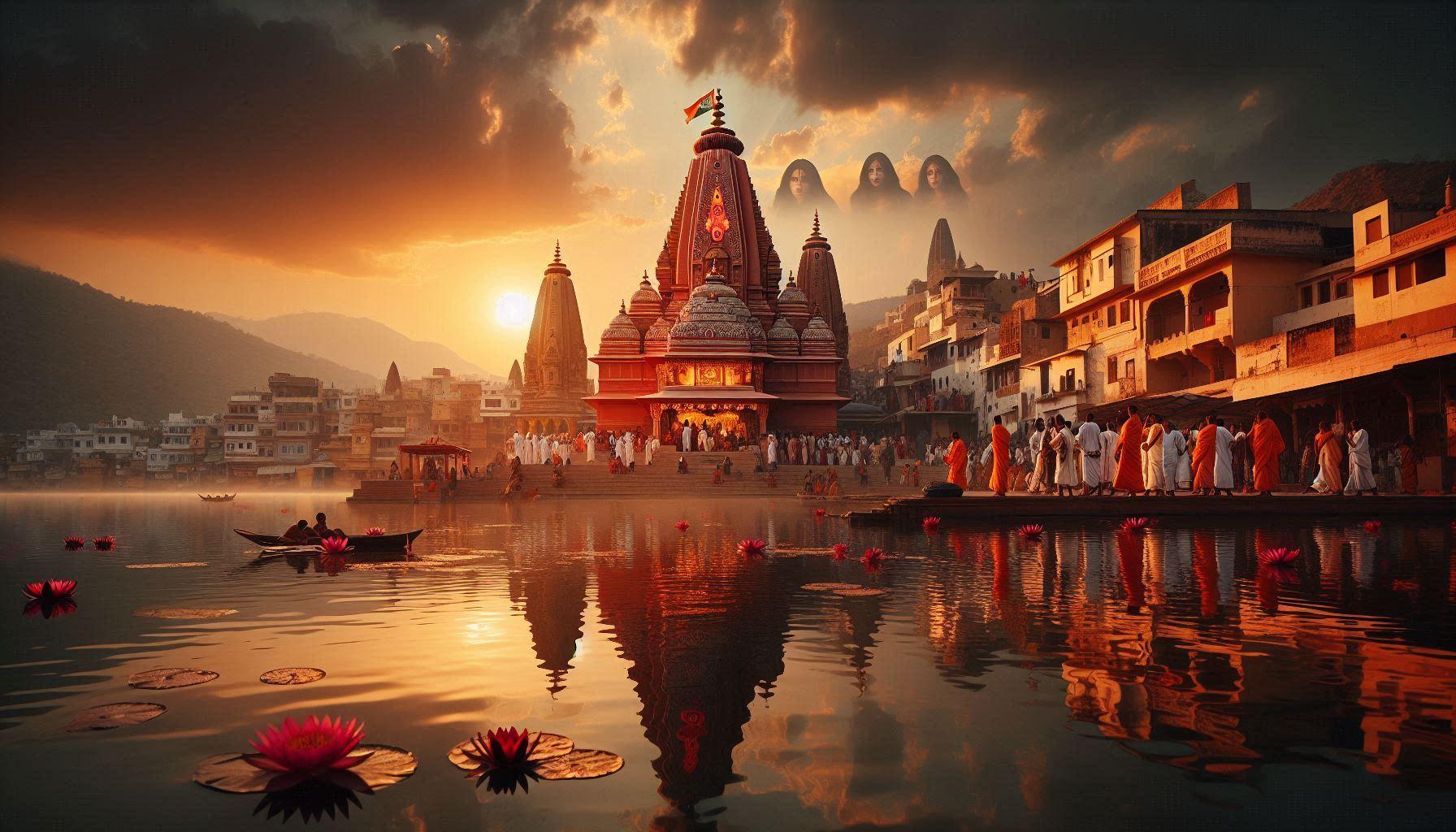
And so, the Brahma Temple of Pushkar stands not just as stone and marble, but as a living question mark in India’s spiritual history. The curse of Savitri, the sacred Pushkar Lake, the four-faced idol, the eternal yajna — each mystery reminds us that creation itself is never simple. It is born from sacrifice, bound by time, and wrapped in secrets we may never fully unravel.
Perhaps that’s why Brahma has only one temple. Maybe the sages knew — creation is not meant to be worshipped in countless shrines, but to be experienced everywhere, in every breath, every sunrise, every heartbeat. Pushkar, then, is not just a pilgrimage; it is a reminder of the Creator hidden within us.
So I ask you: when you look at the world around you, do you see just existence… or do you glimpse the silent hand of Brahma?
Brahma Temple Pushkar FAQs
Where is Brahma Temple Pushkar located?
Where is Brahma Temple Pushkar located?
The Brahma Temple is located in the holy town of Pushkar, near Ajmer in Rajasthan, India.
Why is Brahma Temple in Pushkar famous?
Why is Brahma Temple in Pushkar famous?
Brahma Temple in Pushkar is one of the very few temples in the world dedicated to Lord Brahma, the creator in the Hindu Trinity.
What is the mystery of Brahma Temple Pushkar?
What is the mystery of Brahma Temple Pushkar?
The biggest mystery is why only one prominent Brahma temple exists in India. Legends say it is due to a curse by Goddess Saraswati, which prevented widespread worship of Lord Brahma.
Who built the Brahma Temple in Pushkar?
Who built the Brahma Temple in Pushkar?
The present structure of Brahma Temple was rebuilt in the 14th century by Maharaja Jawat Raj of Ratlam, though its origins trace back thousands of years.
What is the significance of Pushkar Lake near Brahma Temple?
What is the significance of Pushkar Lake near Brahma Temple?
Pushkar Lake is believed to have been created when a lotus flower dropped from Brahma’s hand. Bathing in this sacred lake is said to wash away sins and grant blessings.
What are the timings of Brahma Temple Pushkar?
What are the timings of Brahma Temple Pushkar?
The temple is generally open from 6:00 AM to 9:00 PM, with special rituals during Kartik Purnima and Pushkar Camel Fair.
Why is Brahma worship limited compared to Vishnu and Shiva?
Why is Brahma worship limited compared to Vishnu and Shiva?
According to Hindu scriptures, Brahma was cursed by Goddess Saraswati and Lord Shiva, which limited his worship. Pushkar remains the only major site where he is revered.