What if I told you there’s a temple where the main idol—Lord Shiva himself—is so sacred that no one is allowed to touch it? A temple that blends the powers of both Shiva and Vishnu, where the deity is believed to have appeared on its own beneath a mango tree, in a land sanctified long before recorded history? Welcome to the Lingaraj Temple in Bhubaneswar, Odisha—one of India’s oldest and most mysterious spiritual sites.
Here, the Lingam is not just worshipped—it’s feared, revered, and never touched, believed to be too powerful for human contact. Scriptures say it was invisible in earlier yugas and only became visible in our current age, as if Shiva chose to appear now when we need him most. Even more astonishing is its dual identity as Hari-Hara, a fusion of Shiva and Vishnu, rarely seen anywhere else.
What secrets lie beneath this ancient stone? Let’s uncover five powerful mysteries hidden inside the Lingaraj Temple.
1. The Self-Originated Lingam That No One Can Touch.
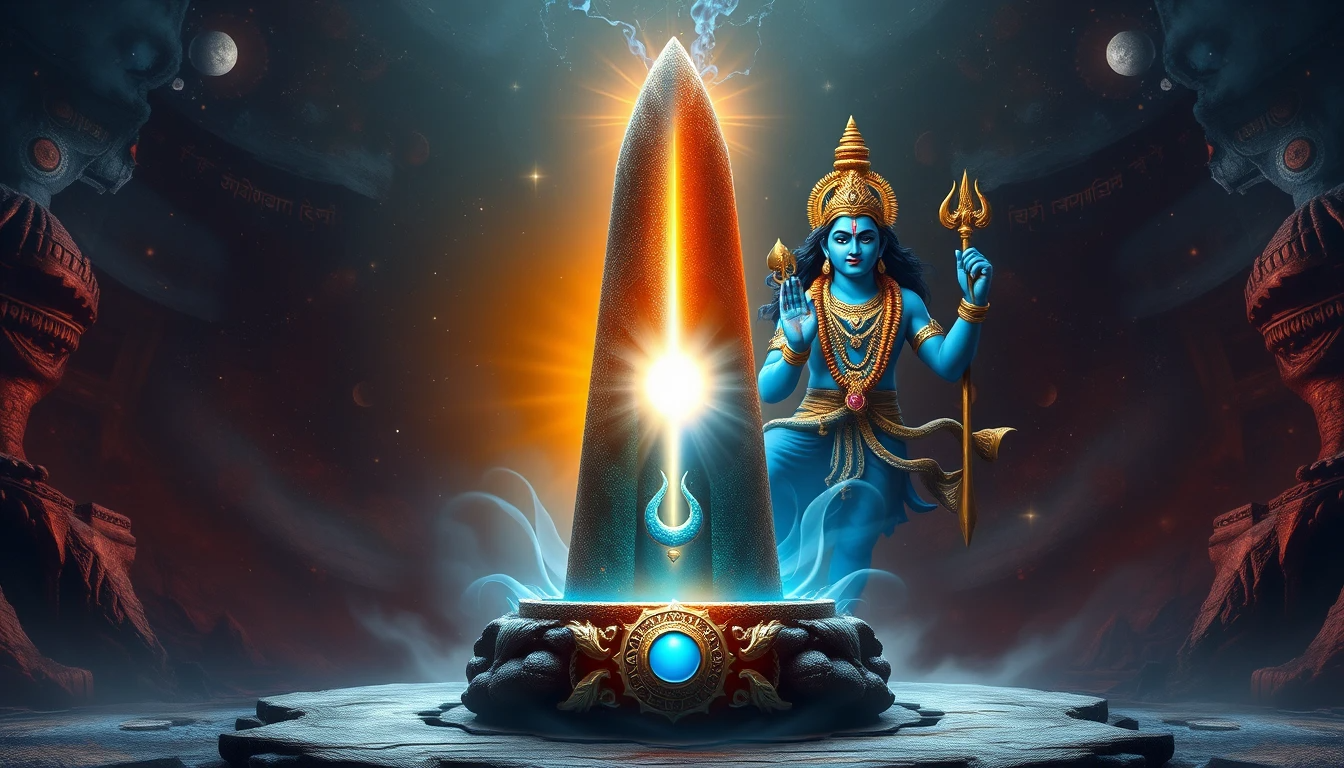
At the heart of the Lingaraj Temple lies one of the greatest spiritual enigmas of Odisha—the Swayambhu Lingam, a self-manifested form of Lord Shiva that is said to have emerged from the earth on its own. Unlike man-made idols carved from stone, this Lingam is considered alive, pulsing with divine energy. But here’s the twist: no human—neither priest nor devotee—is allowed to touch it directly.
The ritual rules are clear and strict. The Lingam is always worshipped from a respectful distance. Priests perform Abhishekam (ritual bathing) and offer flowers, but even they avoid touching it with their bare hands. It’s believed that touching the Swayambhu Lingam could disrupt the intense spiritual force within it—or even invite misfortune. Some legends say it represents a direct portal to Lord Shiva’s cosmic energy, too powerful for ordinary mortals to handle.
What makes it even more mysterious is that this Lingam is also believed to embody Lord Vishnu, making it one of the rare Hari-Hara forms in India. This dual divinity, combined with its self-originated nature, creates a powerful spiritual paradox: Shiva and Vishnu, form and formless, all in one—yet untouchable. Why? No one truly knows.
2. The Temple Older Than Time Itself?
Official records state that the Lingaraj Temple was built in the 11th century CE during the reign of King Yayati Keshari of the Somavamshi dynasty. But ancient texts and oral traditions suggest something far more astonishing—the temple might be much older, possibly dating back to the 6th century CE, or even earlier. Some legends go as far as claiming that the temple’s sanctum was built during the Treta Yuga, making it thousands of years old!
What supports this theory? The Ekamra Purana, a sacred text dedicated entirely to Bhubaneswar (then known as Ekamra Kshetra), describes the existence of the Lingaraj Lingam long before the current temple was constructed. It narrates how sages and gods worshipped the Lingam beneath a mango tree, and how this site was chosen by divine will—not human design.
Even more intriguingly, archaeological findings around the temple have uncovered stone structures and carvings that predate the 11th century. This suggests that a more ancient shrine may have existed here, later expanded into the grand temple we see today.
So, is the Lingaraj Temple truly just 1,000 years old—or has it stood for ages beyond history, quietly guarding the secrets of forgotten civilizations and lost divine encounters?
3. Ekamra Kshetra, The Sacred Mango Tree and the Lingam Beneath.

The land where the Lingaraj Temple stands today is not ordinary—it is known as Ekamra Kshetra, a name that holds a divine legend lost in time. According to the Ekamra Purana, this land was once a dense forest filled with mango trees, and it was here that Lord Shiva manifested himself as a Lingam beneath a sacred mango tree. The word “Ekamra” literally means “one mango,” referring to that very mystical tree under which the first worship of Shiva took place.
But what makes this even more mysterious is the belief that this Lingam was not installed by any human, but was instead revealed to sages during deep meditation. It is said that even Parvati herself performed penance at this site, and her presence sanctified the entire region, transforming it into a powerful Shakti Peetha.
Devotees believe that the entire city of Bhubaneswar is shaped and energized by this ancient mango grove, which once echoed with divine chants and celestial beings. The spiritual aura of Ekamra Kshetra is believed to be so intense that just setting foot here is considered equivalent to years of penance.
Could a simple mango tree have truly marked the spot of Shiva’s appearance? In this sacred geography, mythology and reality blend seamlessly.
4. Hari-Hara, When Shiva Becomes Vishnu.
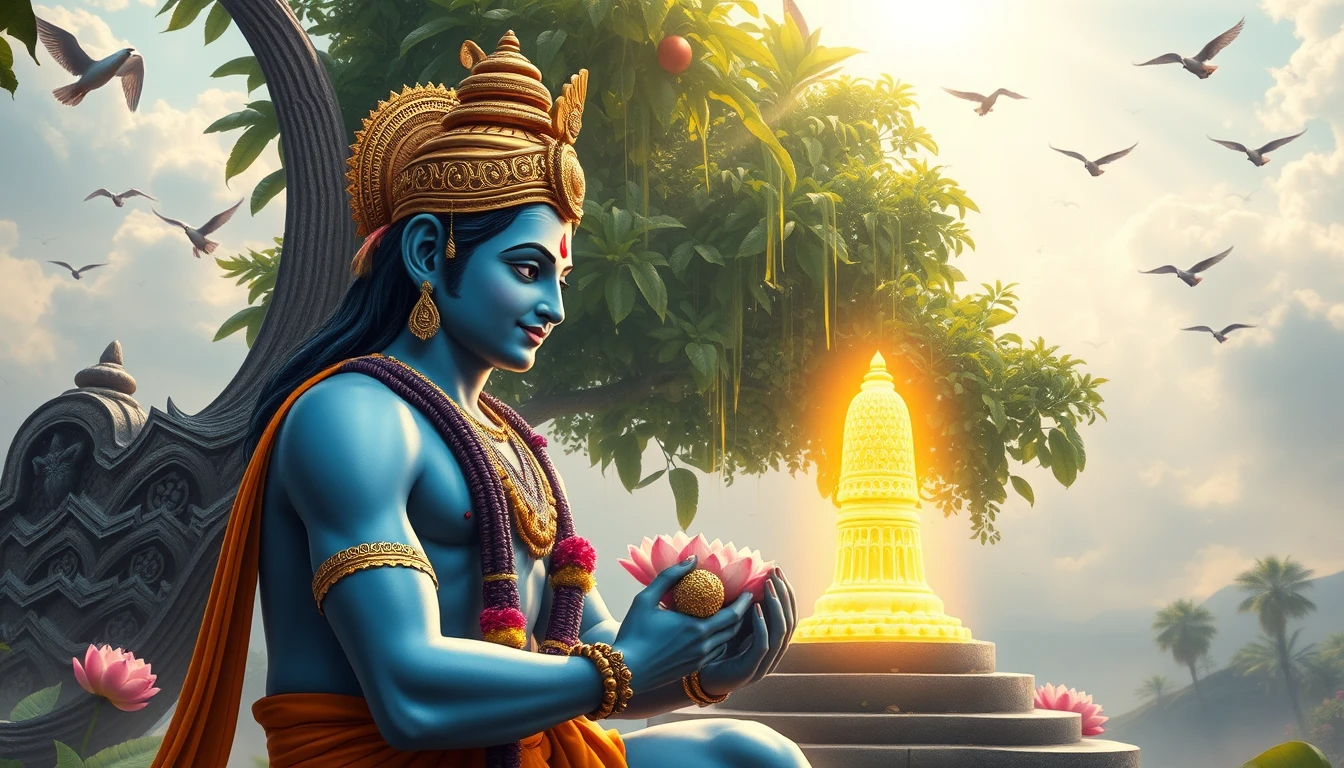
One of the most unique and mind-bending mysteries of the Lingaraj Temple is its dual devotion—the main deity is not just Lord Shiva, but also Lord Vishnu. This unusual blend is called Hari-Hara, where Hari refers to Vishnu and Hara to Shiva. In most temples across India, these two deities are worshipped separately. But here, they are worshipped as one—a divine fusion that challenges the boundaries of sectarian belief.
Why did this happen? Legends say that Lord Vishnu himself once visited Ekamra Kshetra to worship the Swayambhu Lingam. Impressed by his devotion, Lord Shiva absorbed Vishnu’s essence into himself. Since then, the deity has been known as “Lingaraj”—the King of Lingams—who embodies both the destroyer and the protector.
Adding to the mystery is a daily ritual where offerings from the Jagannath Temple in Puri, a prominent Vaishnava shrine, are brought to Lingaraj. This symbolic exchange between two sects—Shaiva and Vaishnava—has continued for centuries in peace and harmony.
In a world often divided by rigid religious lines, Lingaraj stands as a cosmic symbol of unity. How could such theological fusion exist so naturally and deeply rooted in ritual? The temple doesn’t just suggest it—it lives it.
5. Why the Idol Was Invisible in Earlier Yugas.
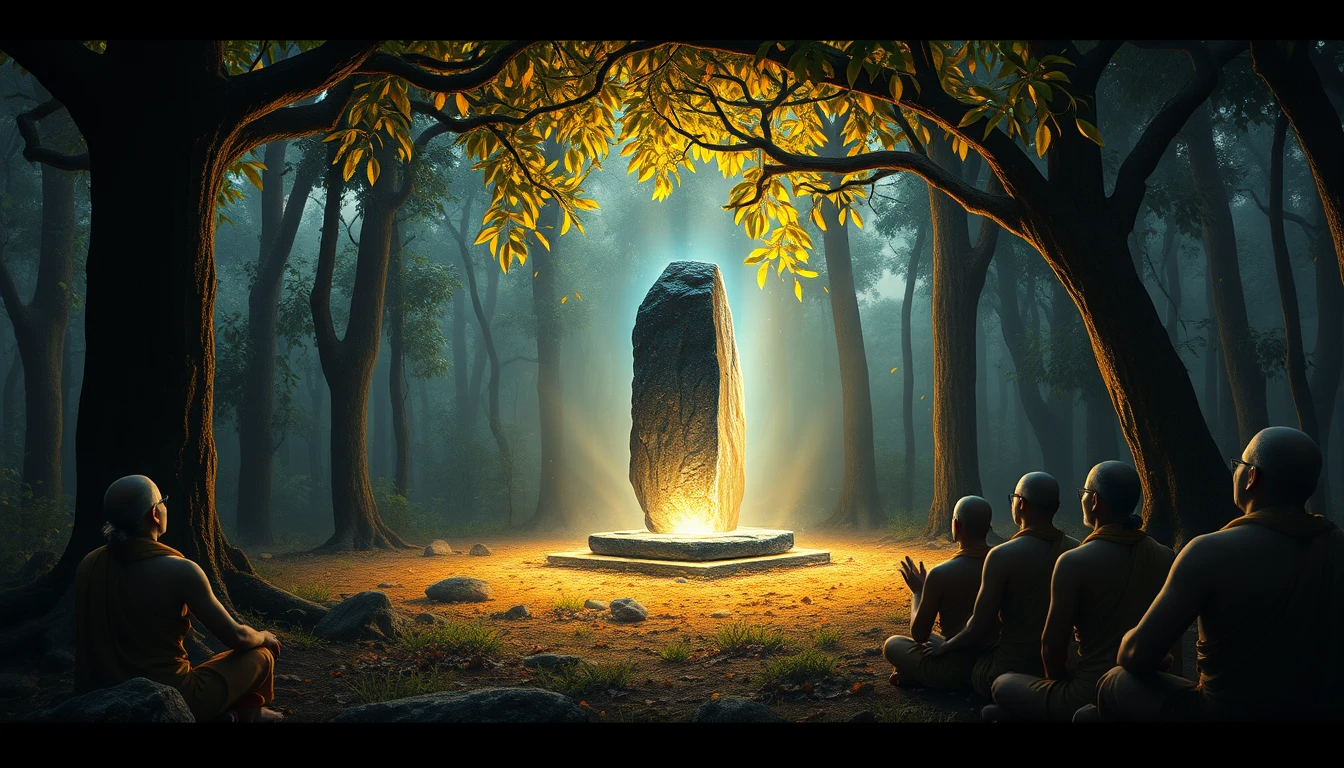
According to the Ekamra Purana, a rare and ancient text that chronicles the spiritual legacy of Bhubaneswar, there’s a fascinating mystery surrounding the visibility of the Lingaraj Lingam itself. It states that during the Satya Yuga and Treta Yuga, the Lingam was not visible to the human eye. It only began to appear in Dvapara Yuga and became fully visible in Kali Yuga, the age we live in now.
But why was it hidden before? Some sages believe that the divine energy of the Lingam was too intense for beings in earlier ages to witness directly. It is said that in those yugas, only advanced yogis and celestial beings could perceive its presence through spiritual vision—not through the physical eye. The Lingam slowly became manifest as the spiritual maturity of humanity declined, making it visible to guide people during the spiritually challenging times of Kali Yuga.
This theory turns conventional thinking upside down. Temples usually decay or fade with time. But the Lingaraj Lingam became more visible as the ages progressed—almost as if Lord Shiva chose to reveal himself more clearly now, when we need him the most.
Is it a myth? Or a coded truth waiting to be decoded? The mystery remains.
Final Thoughts, A Temple Beyond Time, A God Beyond Form.
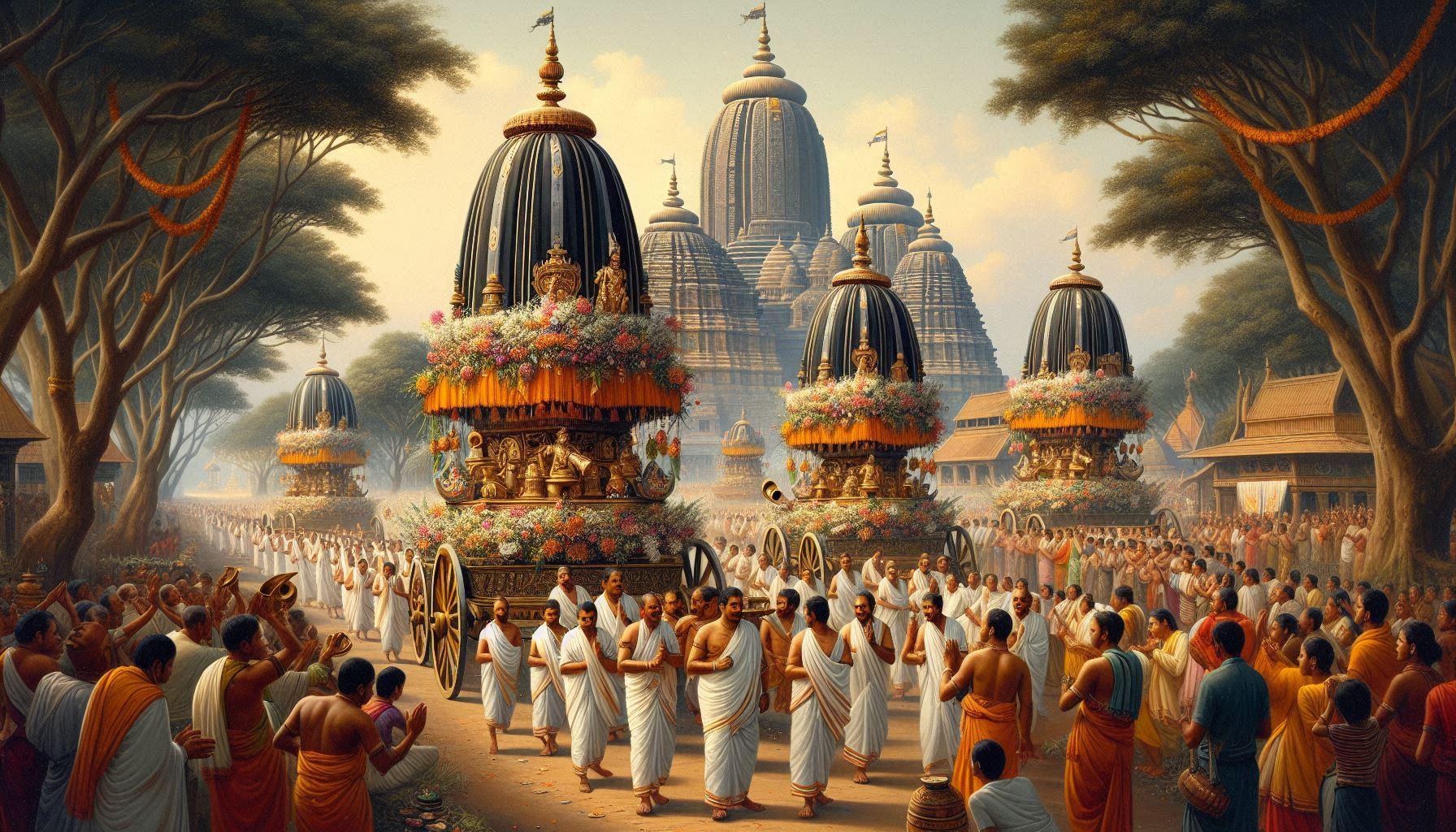
The Lingaraj Temple is more than just an architectural marvel—it is a living enigma, a place where myth, history, and divinity intertwine in ways that defy logic. From the untouchable, self-originated Lingam, to the sacred land of Ekamra Kshetra where a mango tree once marked the very spot of Shiva’s manifestation, every stone here whispers a forgotten tale. It is a temple that dares to blend Shaivism and Vaishnavism, housing the rarely seen Hari-Hara form, reminding us that divine energy knows no boundaries, no divisions.
And then comes the greatest paradox of all—the idea that the deity was once invisible through the ages, only appearing in Kali Yuga, almost as if Lord Shiva timed his revelation for humanity’s darkest hour.
Why can’t anyone touch the idol? Why did it remain hidden for so long? Why does it unite two of Hinduism’s greatest gods into one sacred form? The answers lie not just in scriptures or history books, but in the silence of devotion, in the vibration of the temple walls, and in the hearts of those who truly seek.
The Lingaraj Temple doesn’t just challenge your faith—it awakens it. A mystery not meant to be solved, but to be experienced.
Lingraj Temple FAQs
Where is Lingaraj Temple located?
Where is Lingaraj Temple located?
Lingaraj Temple is located in Bhubaneswar, the capital city of Odisha, India. It is one of the largest and oldest temples dedicated to Lord Shiva in the region.
What is the significance of Lingaraj Temple?
What is the significance of Lingaraj Temple?
The temple is dedicated to Lord Shiva, worshipped here as Harihara, a combined form of Lord Shiva and Lord Vishnu. It is a major pilgrimage site and a fine example of Kalinga-style architecture.
Who built Lingaraj Temple?
Who built Lingaraj Temple?
Lingaraj Temple was originally constructed in the 11th century CE by the Somavamsi dynasty and later expanded by the Ganga rulers. Its architecture reflects the grandeur of medieval Odisha temples.
What are the temple timings of Lingaraj Temple?
What are the temple timings of Lingaraj Temple?
The temple is generally open from 5:00 AM to 9:00 PM. Daily rituals include Mangala Arati, Abhisheka, Bhoga offering, and evening Arati. Timings may vary during festivals.
How to reach Lingaraj Temple?
How to reach Lingaraj Temple?
Lingaraj Temple is well-connected by road, rail, and air. Bhubaneswar Railway Station is about 4 km away, and Biju Patnaik International Airport is around 5 km from the temple.
Are non-Hindus allowed inside Lingaraj Temple?
Are non-Hindus allowed inside Lingaraj Temple?
No, entry to the inner sanctum of Lingaraj Temple is restricted to Hindus only. However, non-Hindus can view the temple from a platform outside the premises.
What festivals are celebrated at Lingaraj Temple?
What festivals are celebrated at Lingaraj Temple?
Maha Shivaratri is the most important festival celebrated at Lingaraj Temple, attracting thousands of devotees. Other major festivals include Ratha Yatra, Chandan Yatra, and Kartika Purnima.