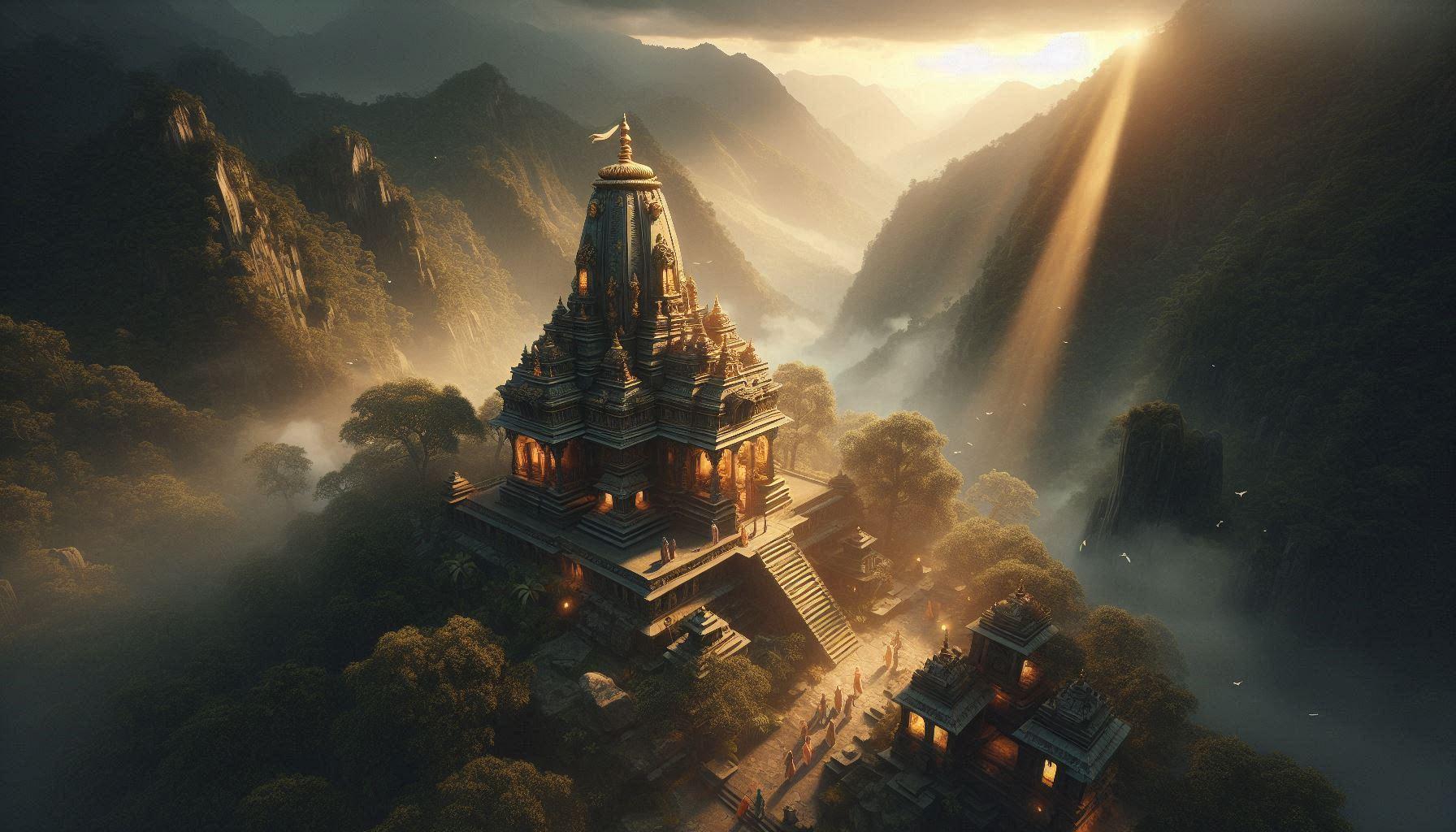
Deep within the sacred forests of Kannur, Kerala, lies the mysterious Kottiyoor Shiva Temple, a place where myth, nature, and divinity merge. Believed to be the exact site of the Daksha Yaga, where Sati Devi immolated herself, this temple has no permanent structures — a testament to the raw power of divine energy that lingers here. At its heart stands a Swayambhoo Shiva Linga, surrounded by nature and legend.
The presence of Kali, who vowed never to enter during the Trimurthy’s presence, adds a chilling purity to the site. Every year, during the Vysakha Mahotsavam, the gods symbolically return — and the mystery deepens.
1. The Cursed Ground of Daksha Yaga, Where Sati Devi Burned in Rage.
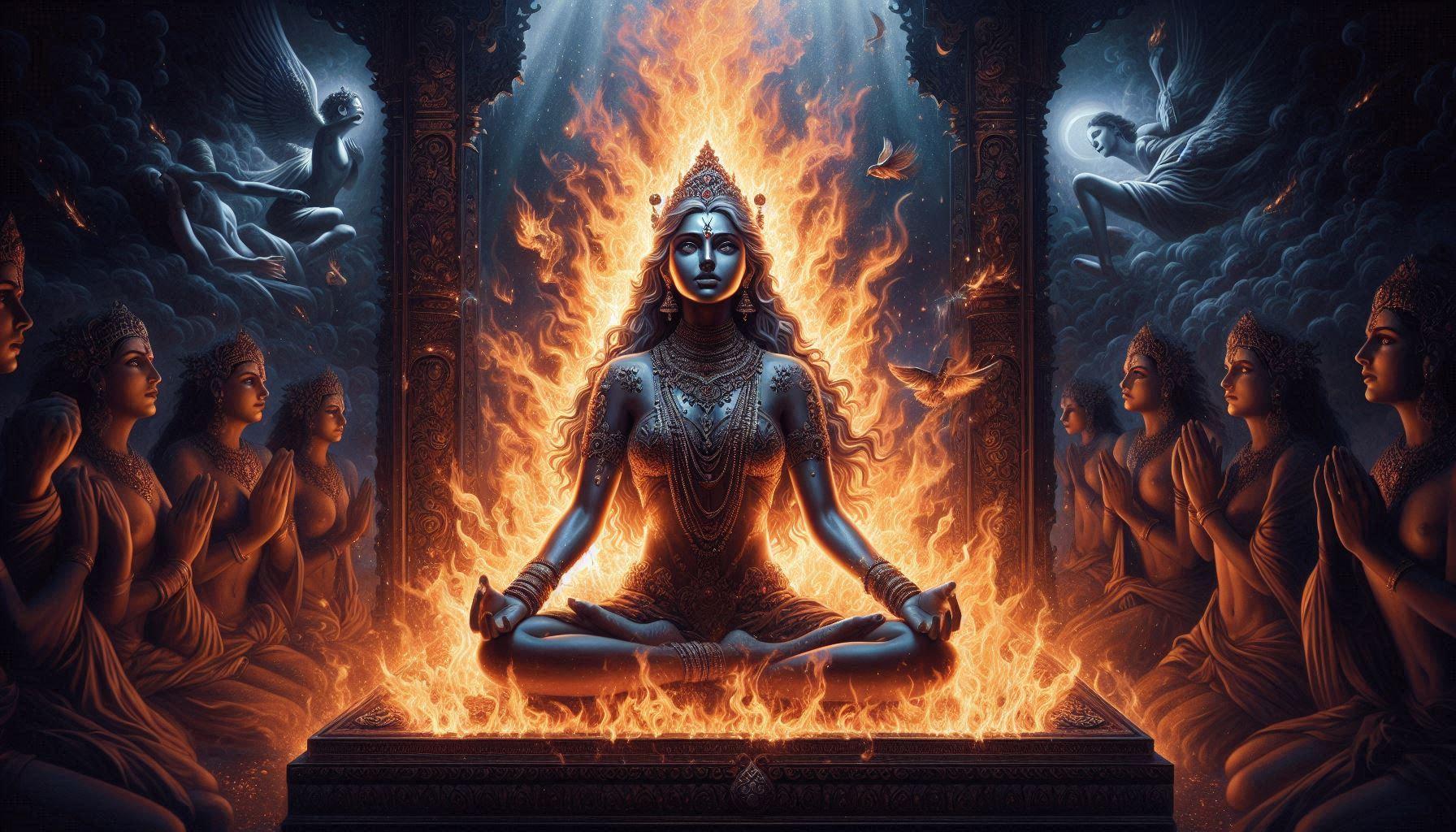
Kottiyoor isn’t just a temple—it’s a living scar on Earth, etched with cosmic pain and divine fury. According to ancient belief, Akkare Kottiyoor is the very site where the tragic Daksha Yaga took place. It was here that Sati Devi, the beloved wife of Lord Shiva, immolated herself in the sacrificial fire after being deeply humiliated by her father, Daksha.
Daksha organized a massive yajna but purposefully did not invite Shiva, considering him unworthy. Sati, bound by love and hope, attended the ritual—only to be insulted in front of the entire divine assembly. Unable to bear the disgrace cast upon her husband, she sacrificed herself in protest.
The consequences were catastrophic. A furious Shiva created Veerabhadra, a terrifying force who descended upon the yajna and destroyed everything, including Daksha himself. The yajna became a battlefield of divine rage.
That ground, now Kottiyoor, is believed to retain this raw, sacred energy. It’s not just holy—it’s haunted by truth, sacrifice, and the fiery love of a goddess who stood for dharma against her own blood.
2. No Walls, No Roof, The Temple That Refuses to Be Built.
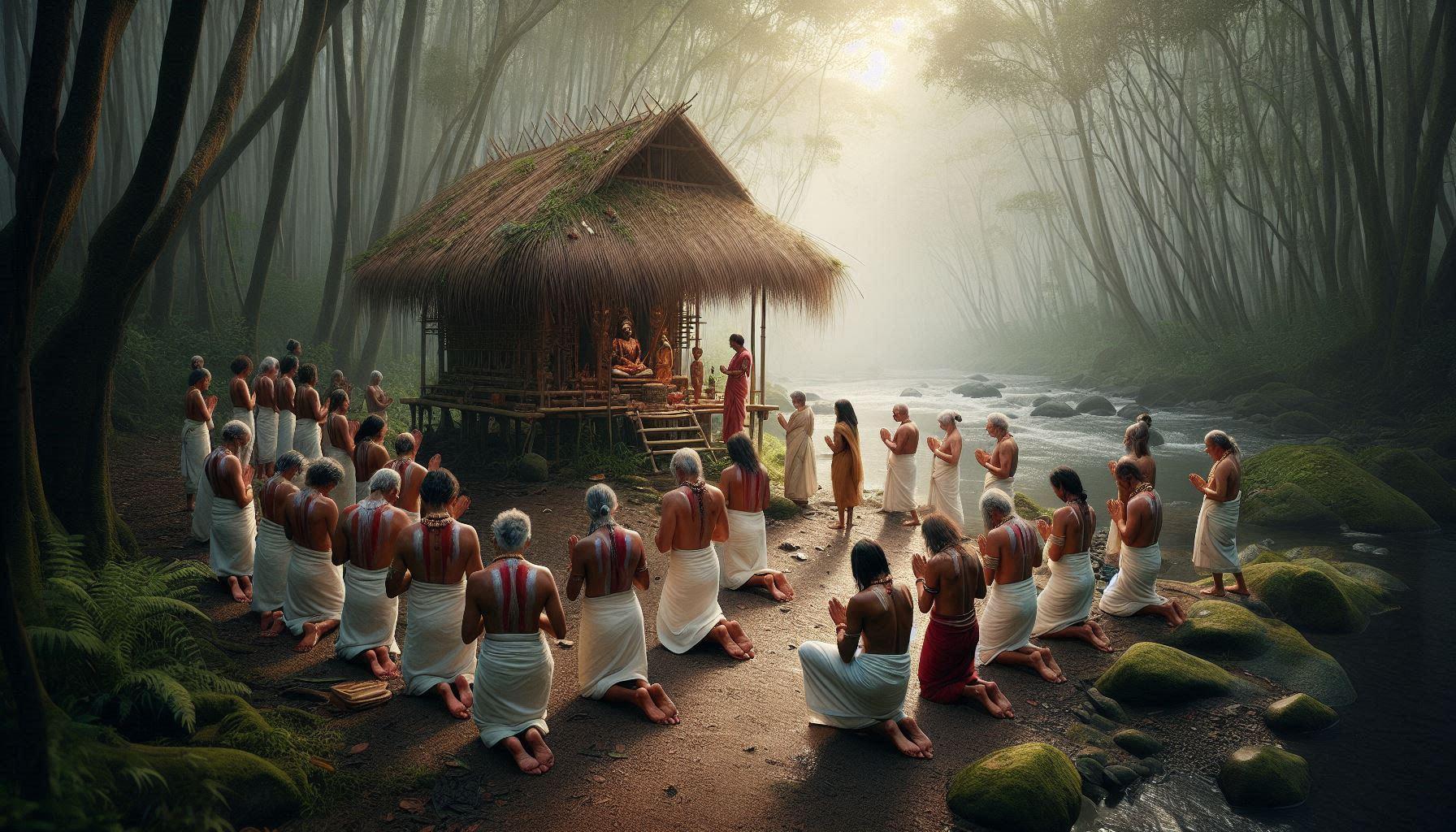
In a country where grand stone temples tower into the sky, Akkare Kottiyoor stands as a strange, sacred anomaly—a temple with no permanent structure. No garbhagriha. No towering gopuram. Just open forest, riverbank, and air filled with divinity. But why?
It is believed that the energy of Sati Devi, who immolated herself here, is still so raw and powerful that no permanent structure can contain it. Any attempt to build a sanctum is said to disturb the spiritual balance of the site. The divine presence here isn't meant to be locked within walls—it flows, wild and eternal, just like Sati's sacrifice.
This is why, every year, temporary structures made of bamboo and natural materials are built only during the Kottiyoor Vysakha Mahotsavam, and dismantled afterward. It’s as if the gods themselves descend briefly, perform the rituals, and retreat—leaving the land untouched.
In a world obsessed with permanence, Kottiyoor reminds us that true divinity cannot be caged. It is fluid, fierce, and sacred—just like the love that once burned on this soil.
3. Ammarakkalu Thara, The Spot Where Sati’s Soul Still Echoes.
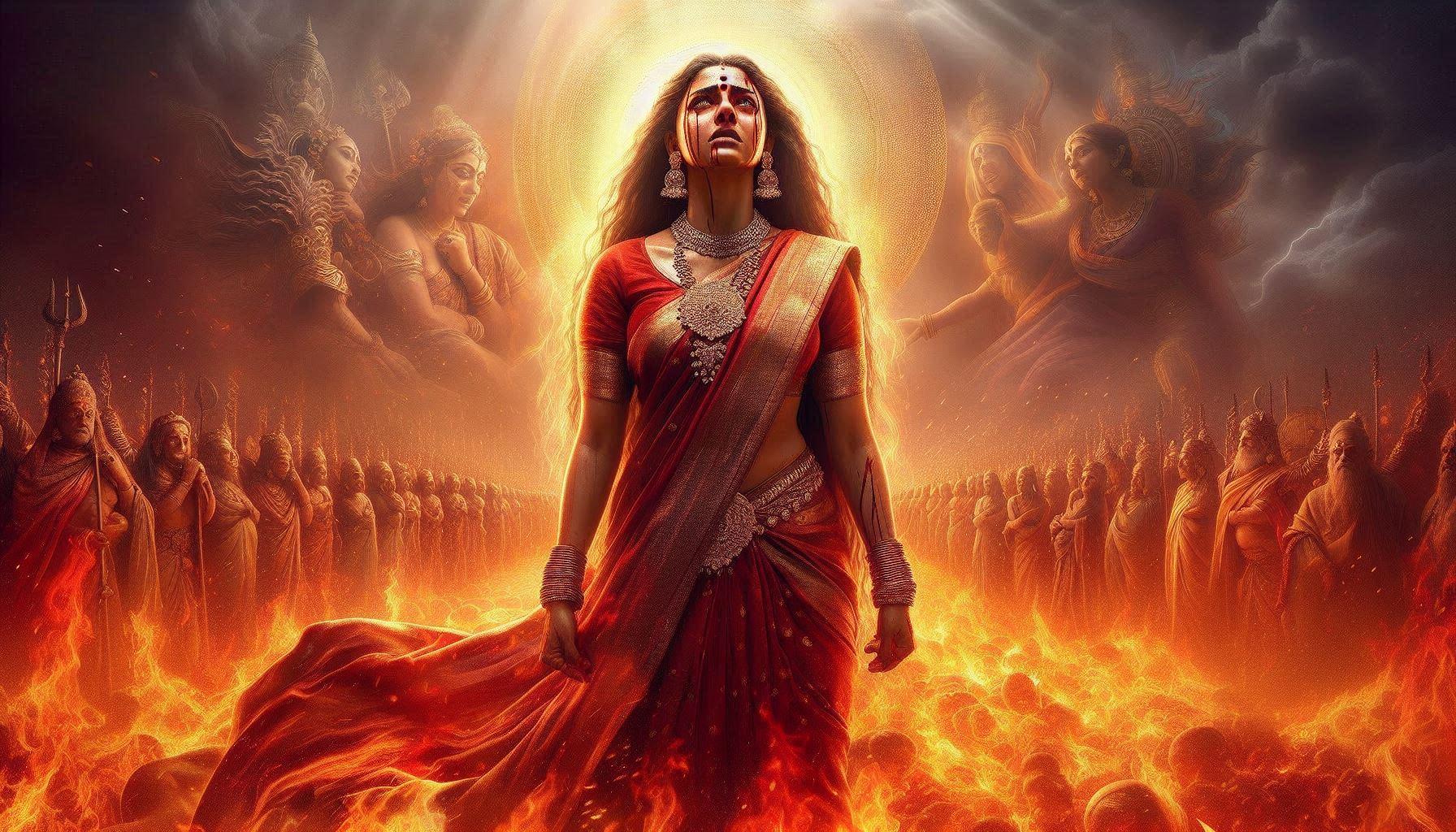
Among the many sacred spots in Kottiyoor, there is one that carries an unshakable silence—the Ammarakkalu Thara, a raised stone platform nestled near the Swayambhoo Linga. But this is no ordinary platform. Devotees believe this is the exact spot where Sati Devi immolated herself during the Daksha Yaga. Every grain of sand here holds the vibration of a goddess’s final scream.
The name "Ammarakkalu" literally means "mother's stone." It is revered as the embodiment of Shakti, the divine feminine energy. While the Linga represents Shiva's presence, Ammarakkalu Thara is the pulse of Sati’s essence—her strength, her protest, her sacrifice. This very place is often considered a Shakti Peetha, one of the rarest and most potent energy points on Earth.
Devotees approach this spot with a sense of awe and trembling devotion. It’s not just a structure—it’s a memorial of cosmic sorrow and spiritual power. Here, there are no idols, no chanting crowds—just silence, wind, and the lingering memory of a divine woman who chose death over dishonor.
4. Kottiyoor Vysakha Mahotsavam, When Gods Descend and Time Rewinds.
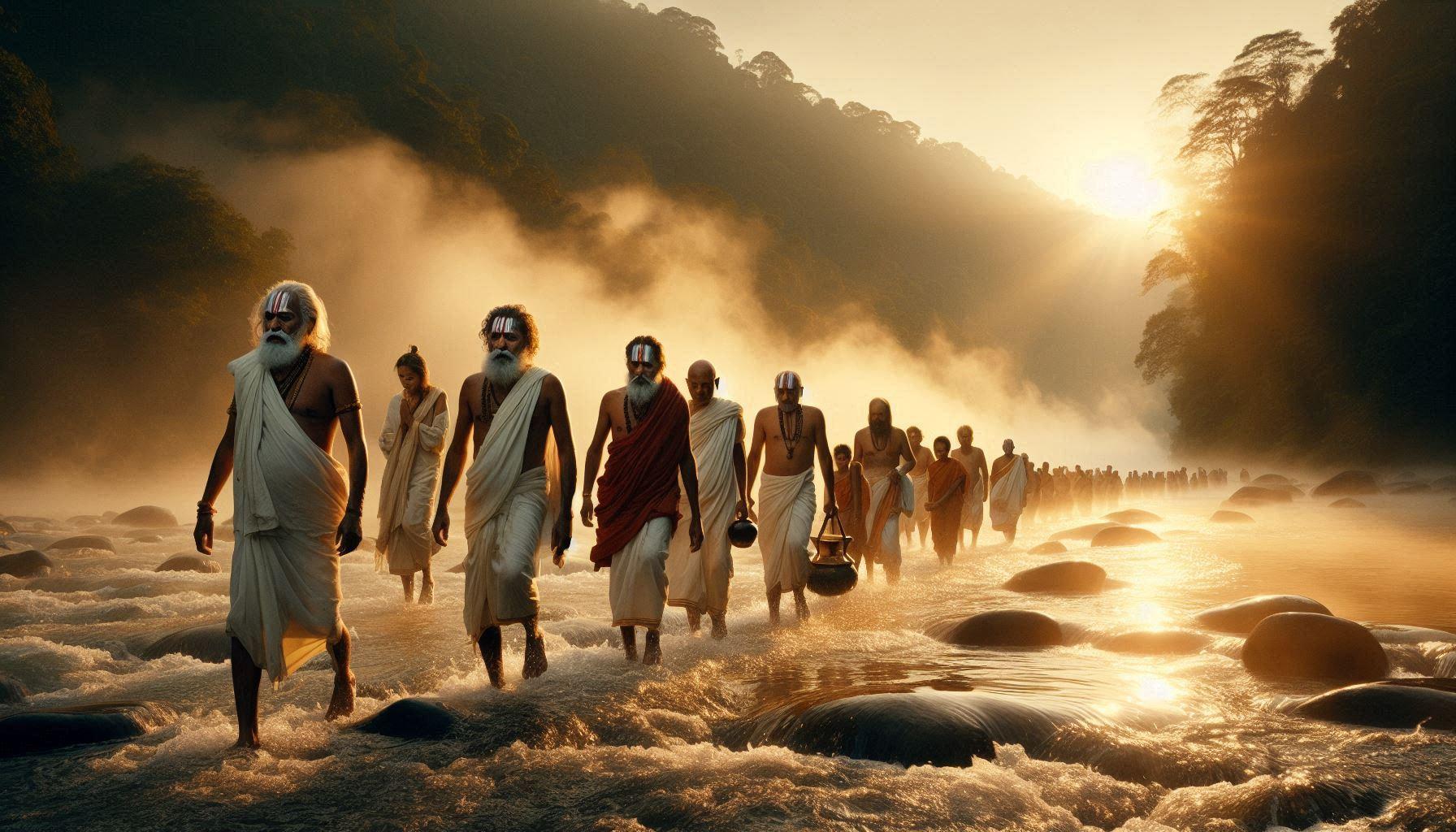
Once a year, the silent forest of Kottiyoor awakens—not with noise, but with divine rhythm. The Kottiyoor Vysakha Mahotsavam, a 28-day-long sacred festival, is not just a ritual—it’s a re-enactment of cosmic history. Every element of this event reflects the aftermath of the Daksha Yaga, when gods, sages, and nature itself gathered to calm Shiva’s fury.
What makes this festival mystical is that everything is temporary. Shrines, altars, and pavilions are built using bamboo and natural materials, mirroring the simplicity and humility that followed the destruction of ego and pride at Daksha’s sacrifice. Priests and devotees cross the Vavali River barefoot to reach Akkare Kottiyoor, symbolizing a journey back in time to the moment of divine reckoning.
It is believed that during these 28 days, Lord Shiva himself comes to this forest, attended by celestial beings. The atmosphere turns electric, the air heavy with sacred chants, and nature seems to stand still.
When the festival ends, everything is dismantled—as if the gods came, healed the land, and vanished once more into the mist.
5. The Forbidden Entry of Goddess Kali, A Promise That Preserves Purity.
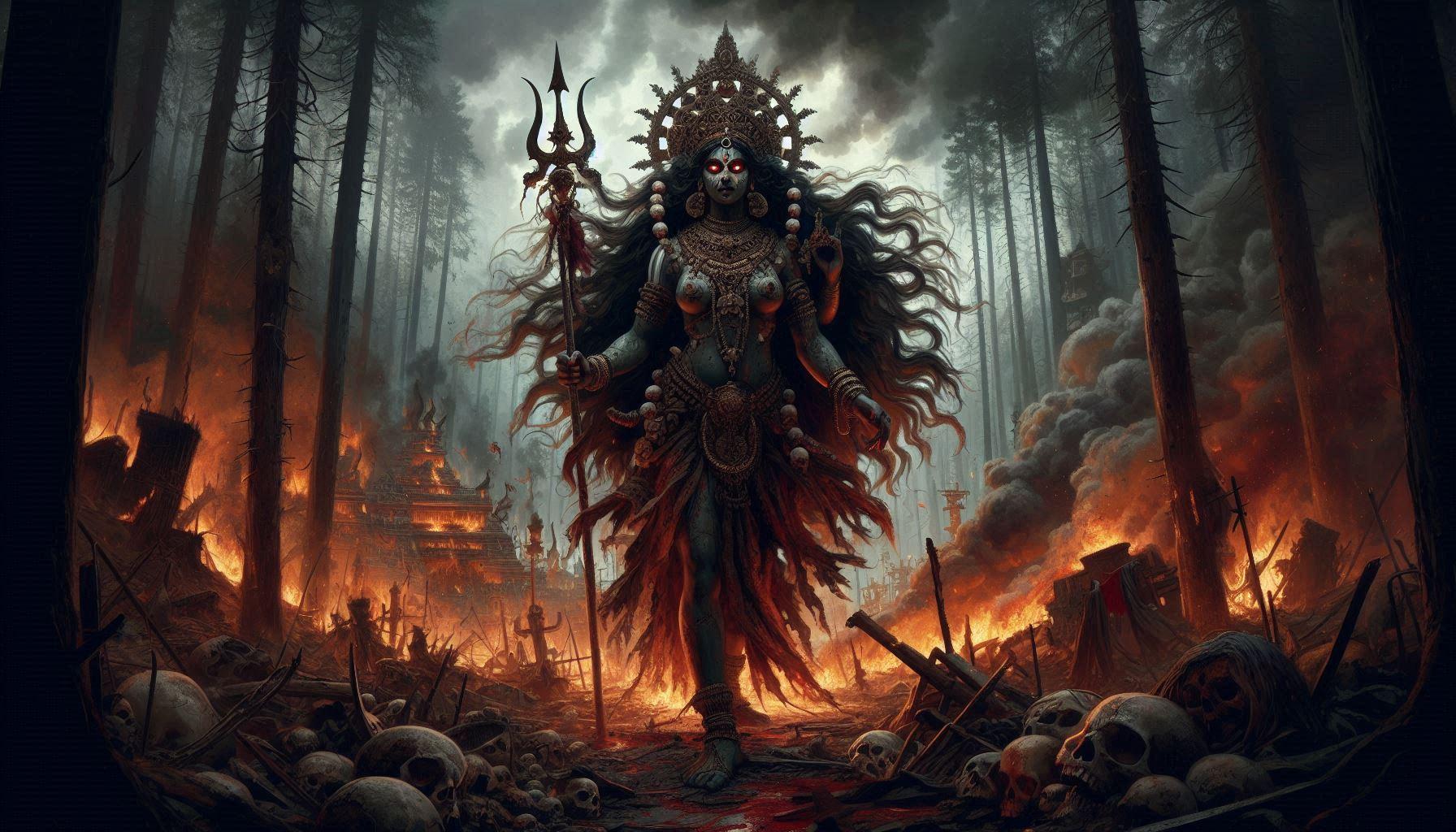
In most temples, Goddess Kali is a fierce guardian, a protector of dharma—but at Kottiyoor, she is mysteriously absent. Why? The legend behind her absence adds a powerful layer to the temple’s sanctity.
According to ancient lore, after the destruction of Daksha’s yajna, Lord Parashurama was deeply moved by the sorrow and chaos. To restore balance, he requested Goddess Kali to stay away from Kottiyoor—at least during the time when the Trimurti (Brahma, Vishnu, and Shiva) are present. Kali, out of deep respect and spiritual discipline, made a solemn promise: she would never step into Kottiyoor during their divine presence.
This vow by one of the fiercest goddesses is seen as a cosmic agreement to preserve the purity, balance, and energy of the sacred site. Her absence isn’t a lack—it’s a powerful silence, a restraint that keeps the energy of the place unshaken.
To this day, no shrine or idol of Kali exists within the temple grounds, and her promise is honored with unwavering devotion. In that void, Kottiyoor breathes its unique, untouched spiritual power.
6. The Land Gifted by Parashurama, Where Earth Meets Divine Will.

The story of Kottiyoor begins long before temples, even before civilizations carved idols in stone. According to legend, this sacred land was part of the very soil created by Lord Parashurama—the sixth avatar of Vishnu. After annihilating corrupt Kshatriyas and burdened by guilt, Parashurama hurled his axe into the ocean. The sea retreated, revealing a strip of land that would later become Kerala.
Among the holiest spaces in this reclaimed land was Kottiyoor, which Parashurama designated as a spiritual center. It is said he personally consecrated the Swayambhoo Linga (self-manifested Shiva Linga) here and ordained it as a tapo-bhoomi—a land meant only for prayer, purity, and penance.
Because of Parashurama’s blessing, Kottiyoor is not just geographically sacred—it’s cosmically chosen. The energies here are believed to be aligned with divine will, untouched by human interference. No permanent human settlements exist nearby, and the forest thrives in silence, as if nature itself guards the holiness.
To stand at Kottiyoor is to stand on land gifted by a god, where every step is a prayer, and every breeze carries ancient whispers.
7. The Swayambhoo Linga, A God Who Rose From the Earth.
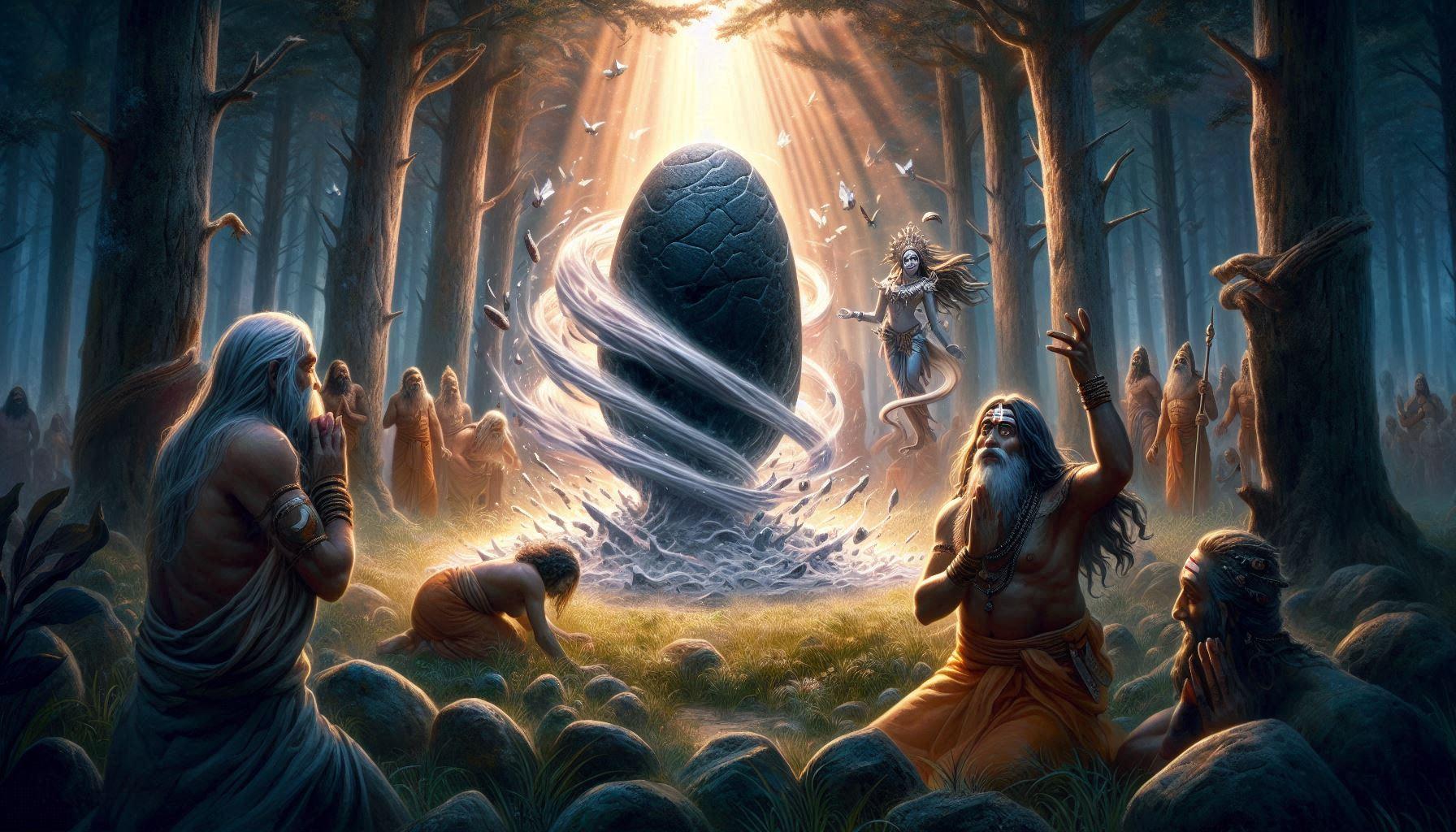
At the heart of Kottiyoor lies its most sacred and mystical element—the Swayambhoo Linga, a Shiva Linga that is not carved, not installed, but self-manifested from the earth itself. Unlike typical temple deities that are sculpted by artisans and consecrated through rituals, this Linga is said to have emerged naturally, radiating an energy that even the gods revere.
It is this powerful presence that defines Akkare Kottiyoor, where the Linga sits unprotected under the open sky, surrounded only by temporary shelters during the annual festival. For the rest of the year, the forest is its shrine, and nature its guardian.
Devotees believe that this Linga holds the unfiltered essence of Lord Shiva—raw, untamed, and deeply meditative. No human hand ever touched it into being. It is as if Shiva himself chose to rise from the soil to mark the spot where his beloved Sati made the ultimate sacrifice.
To gaze upon the Swayambhoo Linga is to witness a divine miracle—a god who didn’t need to be invited, because he never left.
Conclusion, Kottiyoor, Where Divinity Breathes Through Nature.

Kottiyoor is not just a temple—it is a living legend carved into the forest, a sacred echo of cosmic love, loss, and divine justice. Unlike grand stone temples with towering spires, Kottiyoor stands apart in its raw purity, where Sati’s sacrifice, Shiva’s silent grief, and nature’s untouched beauty come together in perfect harmony. Every mystery—from the self-manifested Linga to the absence of Goddess Kali, from the temporary festival structures to Parashurama’s sacred gift of land—adds a new layer to its eternal spiritual depth.
Here, the divine isn’t confined within walls—it flows through the wind, settles in the soil, and whispers through the trees. It is a place where the gods walk barefoot, where rituals connect heaven and earth, and where silence speaks louder than any prayer.
To visit Kottiyoor is not just a pilgrimage—it’s a return to a forgotten moment when the universe paused, watched, and wept. And in that stillness, true devotion is born.
Sri Kottiyoor Shiva Temple FAQs
Where is Sri Kottiyoor Shiva Temple located?
Where is Sri Kottiyoor Shiva Temple located?
Sri Kottiyoor Shiva Temple is located on the banks of the Bavali River in Kannur district, Kerala, India. It is nestled amidst the Western Ghats in a serene forested region.
Why is Kottiyoor Shiva Temple called Dakshina Kasi?
Why is Kottiyoor Shiva Temple called Dakshina Kasi?
Kottiyoor Shiva Temple is referred to as Dakshina Kasi (Varanasi of the South) due to its great religious significance and its sacred annual Vaisakha festival that attracts thousands of devotees.
What is the significance of Sri Kottiyoor Shiva Temple?
What is the significance of Sri Kottiyoor Shiva Temple?
The temple is believed to be the site of Daksha Yagna, where Sati Devi immolated herself. Lord Shiva is worshipped here as Mahadeva, making it a highly sacred pilgrimage site.
What are the temple timings of Sri Kottiyoor Shiva Temple?
What are the temple timings of Sri Kottiyoor Shiva Temple?
The Akkare Kottiyoor temple (across the river) is open only during the annual Vaisakha Mahotsavam festival, which lasts for 27 days between May and June. The Ikkare Kottiyoor temple is open daily.
What is the main festival of Kottiyoor Shiva Temple?
What is the main festival of Kottiyoor Shiva Temple?
The Vaisakha Mahotsavam (also known as Kottiyoor Vysakha Mahotsavam) is the main festival. It commemorates the Daksha Yagna event and involves special rituals, including Elaneer Vayppu (offering of tender coconuts).
How can devotees reach Sri Kottiyoor Shiva Temple?
How can devotees reach Sri Kottiyoor Shiva Temple?
The temple is about 60 km from Kannur town. The nearest railway station is Thalassery, and the nearest airport is Kannur International Airport, around 50 km away. Buses and taxis are available to reach the temple.
What are the unique features of Sri Kottiyoor Shiva Temple?
What are the unique features of Sri Kottiyoor Shiva Temple?
The temple is set in a natural forest environment by the river. The Akkare Kottiyoor shrine has no permanent structure and is open only during the annual festival, symbolizing its deep connection with nature and tradition.