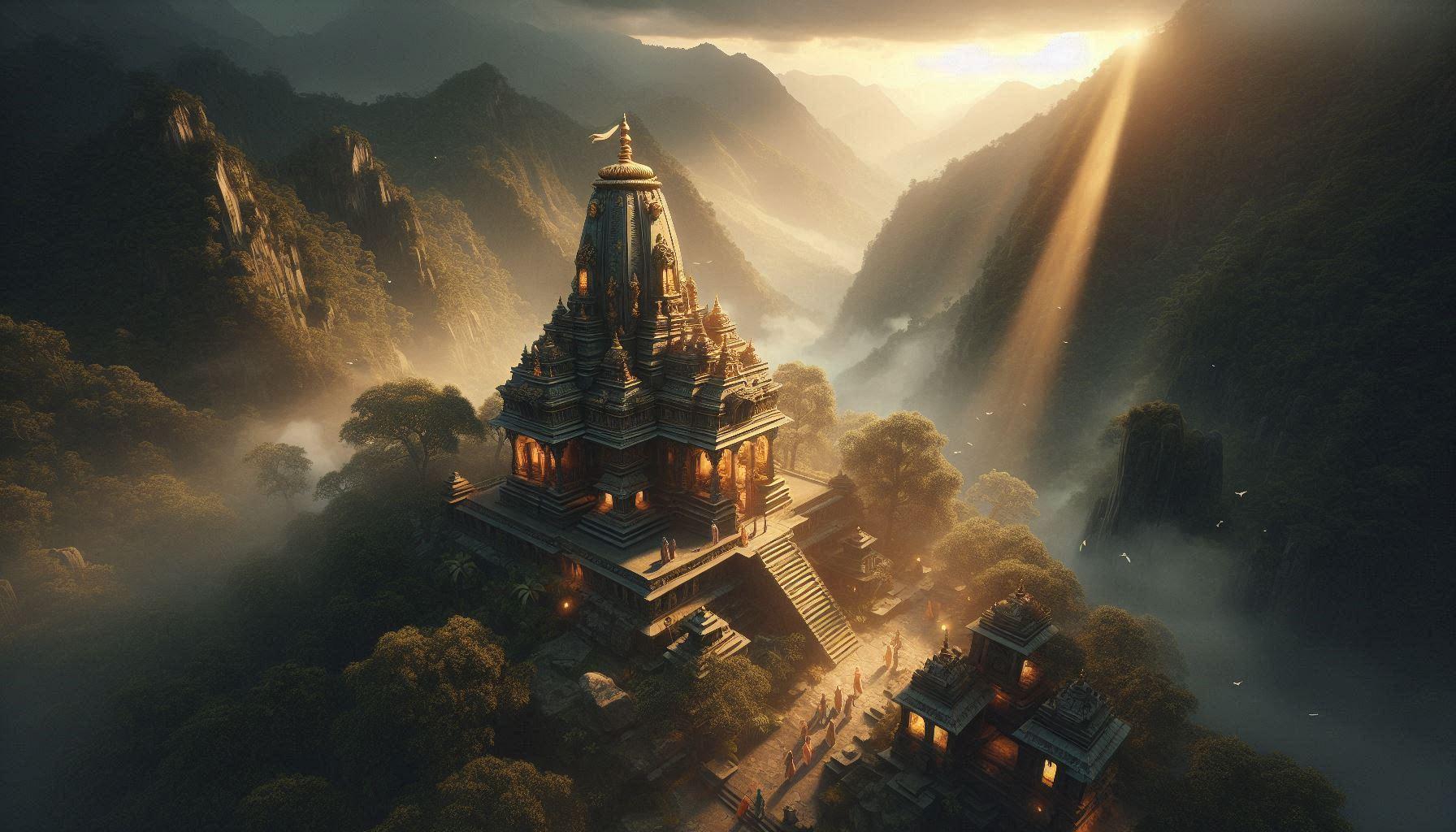
Deep in the green folds of the lower Himalayas, nestled in the Shivalik ranges of Himachal Pradesh, lies a temple that has baffled both science and faith for thousands of years. This is not just a temple of stone and rituals—it’s a place where Agni, the god of fire, is said to reside in his most visible form. Welcome to Jwala Devi Temple—the home of a flame that has been burning continuously for over 3,000 years.
Here, fire dances atop bare rock. It flickers out of crevices, licking the temple walls—not fueled by wood, oil, or wick, but seemingly by some unseen divine force. Scientists say it's natural gas. Devotees say it’s Shakti—the Goddess herself. In a world that often demands answers, the Jwala Devi flame dares us to surrender to mystery.
But what’s the real story behind this eternal fire? What makes this flame immortal? Is it science hiding behind faith—or faith that transcends science?
Let’s travel back in time and unravel the fascinating legend and reality of the fire that never goes out.
1. The Legend Of Jwala Devi Goddess Shaktis Tongue Of Fire
To understand Jwala Devi’s eternal flame, we must go back to the ancient Puranic legends. The story begins with the self-immolation of Goddess Sati.
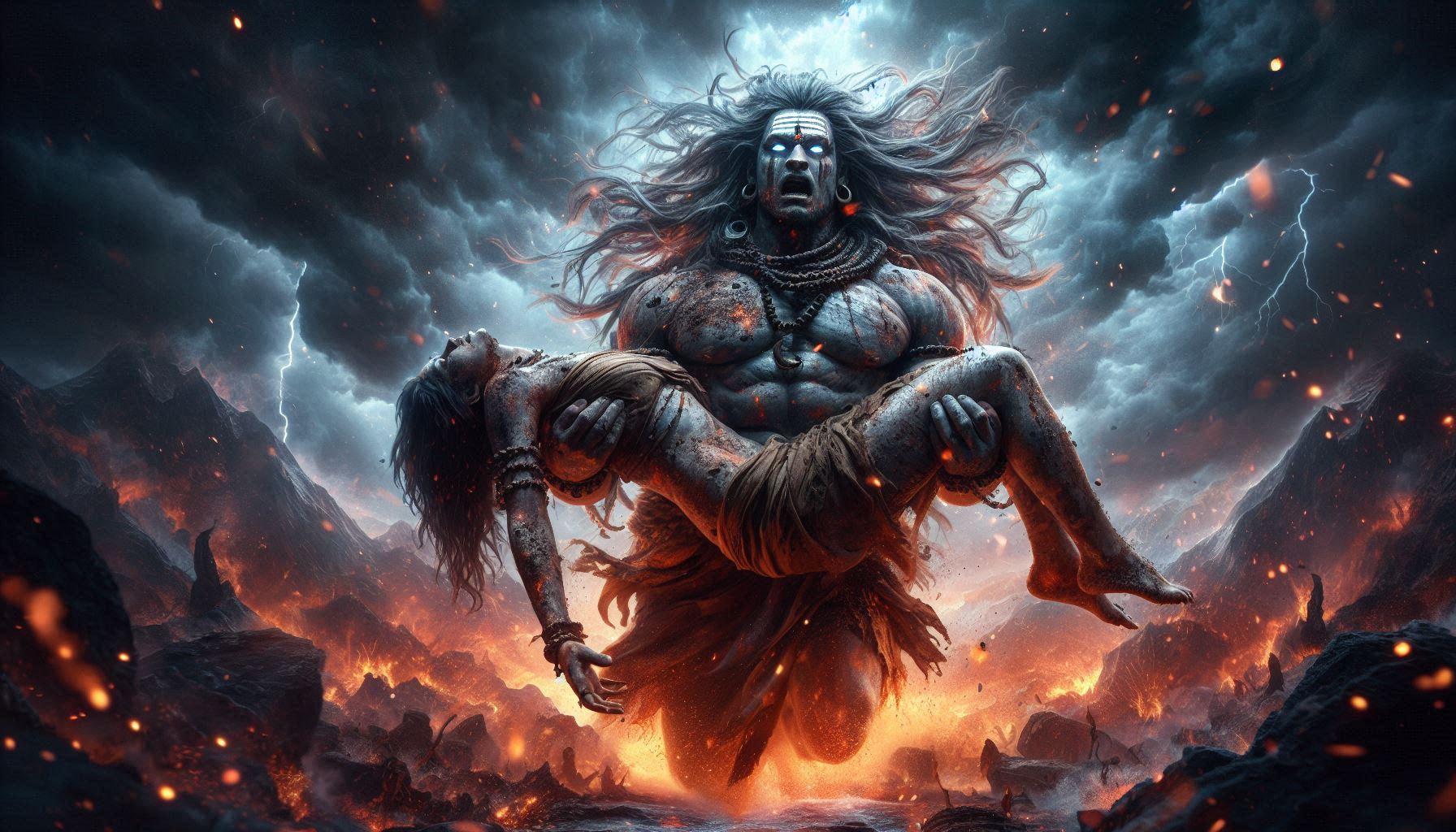
Sati, the consort of Lord Shiva, had thrown herself into the sacrificial fire after her father Daksha insulted her husband. An enraged Shiva carried her burning body across the world in grief and fury. To save the universe from destruction, Lord Vishnu used his Sudarshana Chakra to cut Sati’s body into 51 pieces. Each piece fell in a different place, becoming a Shakti Peetha, a sacred spot of the Goddess's energy.
It is believed that the tongue of Goddess Sati fell at the place where the Jwala Devi temple now stands. What’s even more mystical is that the tongue did not just remain there—it transformed into a flame that burns eternally from the earth itself, as if the fire of the Goddess’s pain and power never ceased.
For generations, devotees have bowed before this flame, believing it to be the very embodiment of the Goddess. The fire is worshipped not through idols, but in its pure, elemental form—as light, heat, and energy. In a land where deities are usually sculpted in stone, Jwala Devi stands apart. She lives as fire.
2. A Temple Without A Statue Where Fire Is The Deity
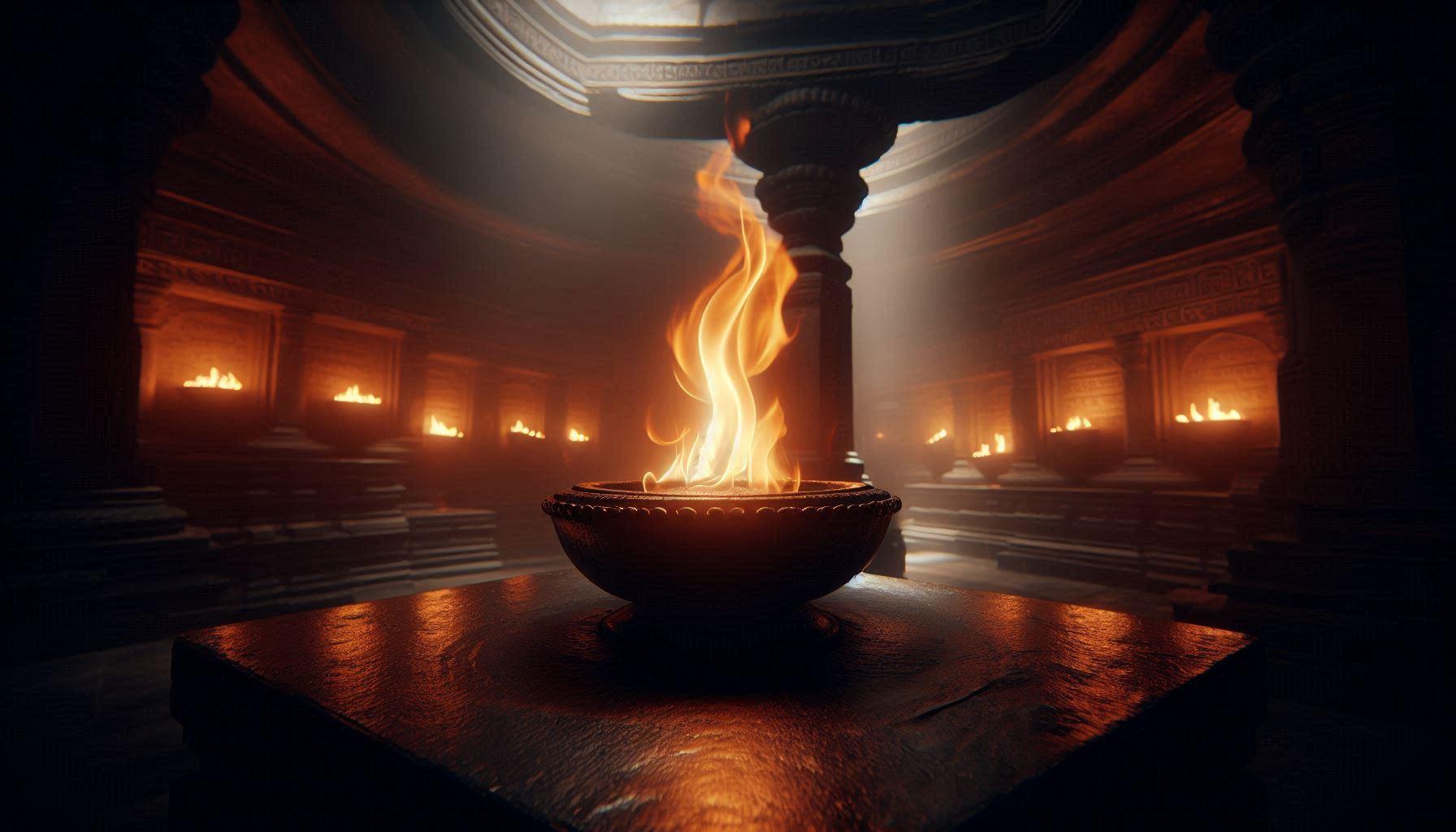
Unlike most Hindu temples that feature grand murtis (idols), Jwala Devi Temple has none. Instead, there are seven to nine flames that emerge from fissures in the rock within the sanctum. Each flame is considered a different form of the Goddess—like Mahakali, Annapurna, Chandi, Hinglaj, Saraswati, Ambika, and others.
This isn’t fire burning on something—it’s fire that comes out of nothing. No wood, no oil, no incense is needed. The priests simply offer water, flowers, and devotion.
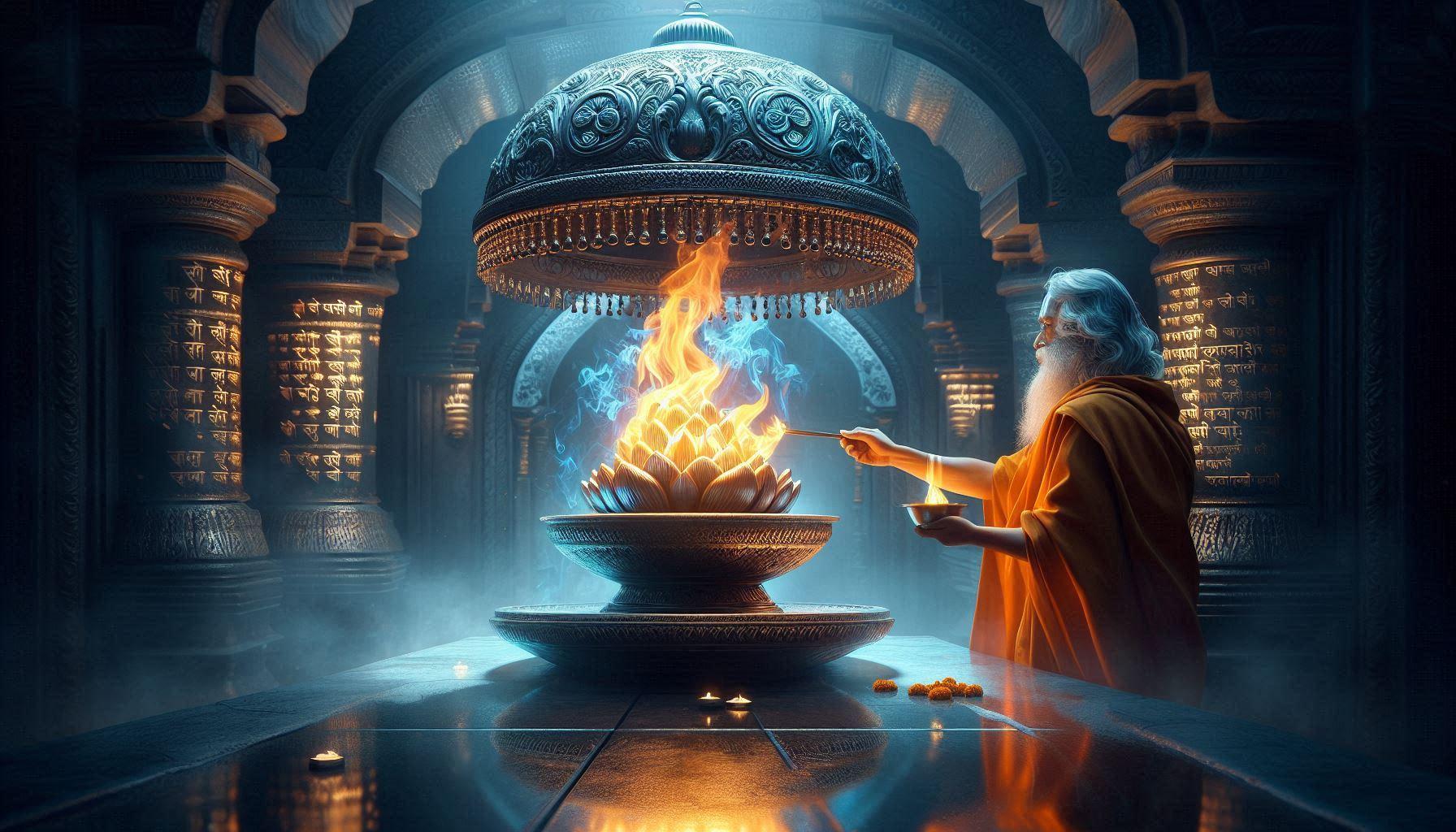
The main flame—glowing blue and orange—emerges from a hollow crack in the stone, flickering silently. It is housed under a small silver canopy, where the priest waves the aarti as people fold their hands, eyes wide with awe and belief.
Even more fascinating is the fact that the flame never goes out, not even in rain, storms, or earthquakes. The temple has seen empires rise and fall, yet this flame has remained a constant witness. Kings, saints, invaders, and scientists—all have stood before it and left with questions they could not answer.
3. A The Mughal Emperor And The Unburned Hand
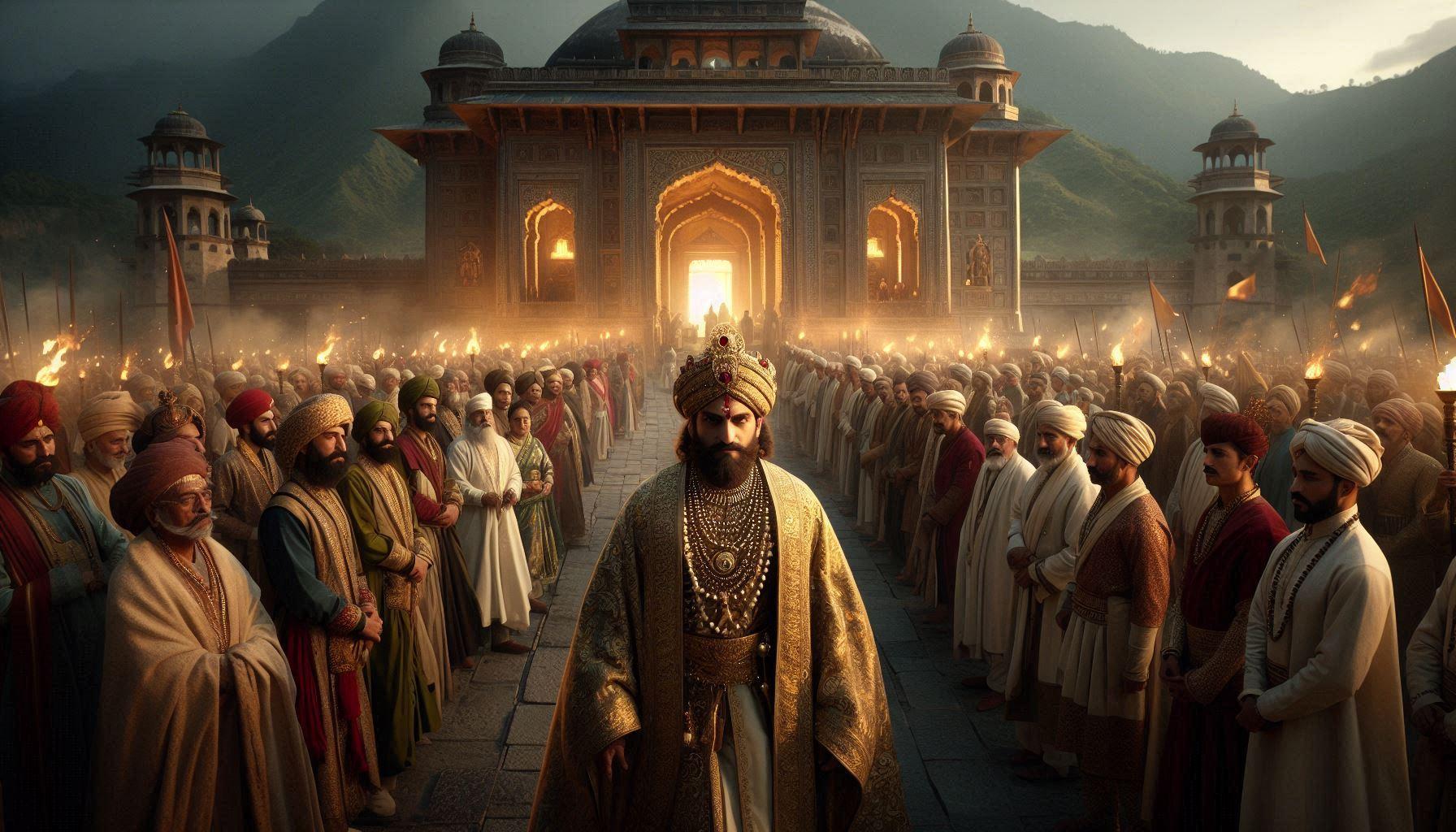
One of the most famous stories associated with the temple involves Mughal Emperor Akbar. Intrigued by tales of the unquenchable flame, Akbar visited the site. According to legend, he tried to test its authenticity by ordering the flame to be doused. Water was poured on it. Earth was shoveled over it. But the flame returned every time.
Unnerved, Akbar is said to have offered a golden canopy to the temple. However, in a strange turn of events, the canopy turned into an unknown alloy, and the temple authorities could not even recognize the material. The relic still stands near the temple today—a metallic mystery that even modern metallurgy cannot explain.
To this day, the incident is considered a divine warning—mess with the sacred, and the Goddess herself will answer.
4. Scientific Investigations Is It Natural Gas
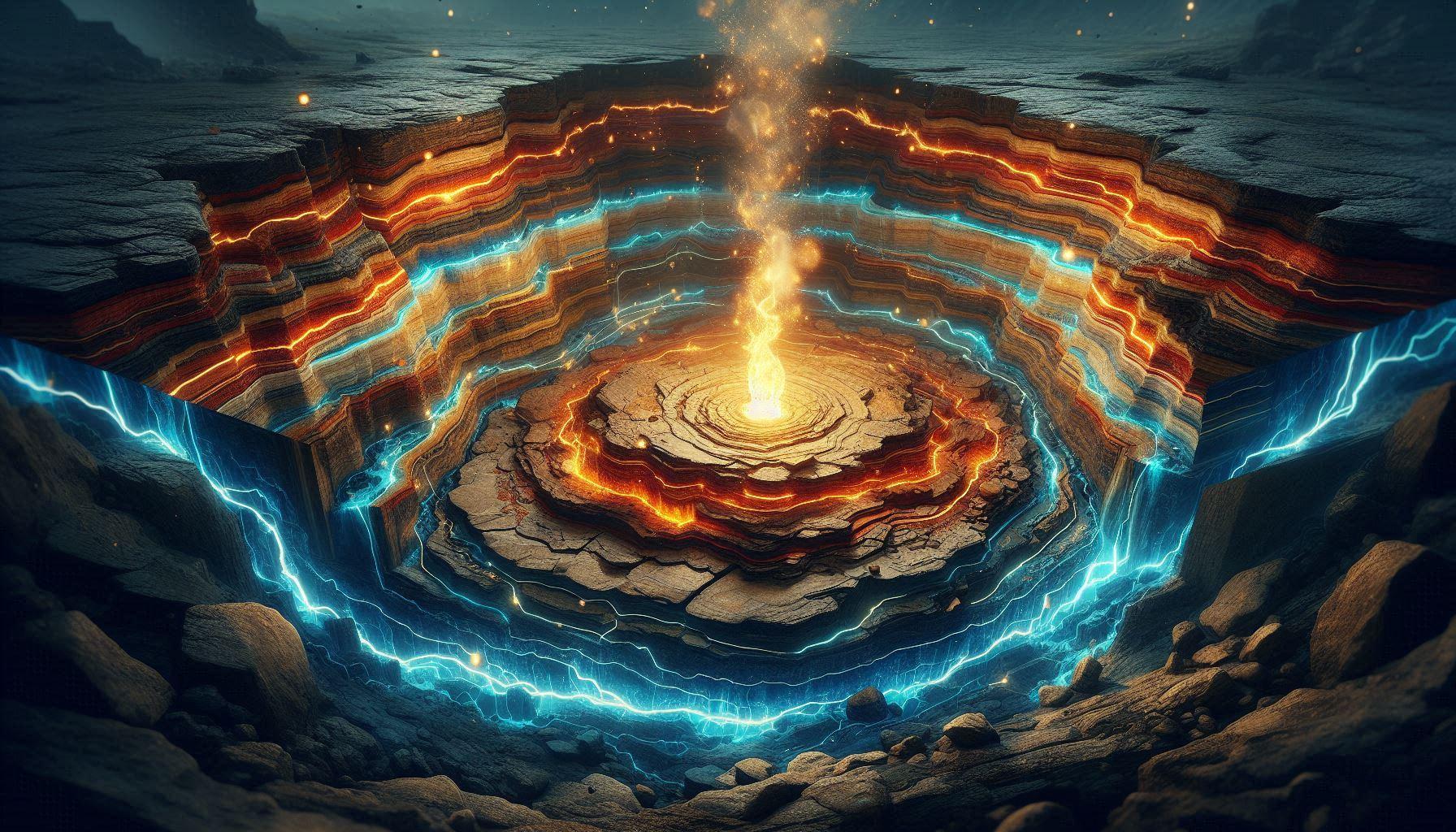
Over the years, scientists and geologists have attempted to solve the riddle. Many claim that the flames are a result of natural hydrocarbon gases—mostly methane—escaping through the Earth's crust. These gases catch fire upon contact with atmospheric oxygen, giving the illusion of a self-igniting eternal flame.
This theory gained more ground when ONGC (Oil and Natural Gas Corporation) conducted a geological survey. They discovered small gas reserves beneath the temple, though not enough to explain how the flame has survived continuously for thousands of years without exhausting the fuel source.
If the flame is simply gas, why hasn’t it died out after all these centuries? Why has no other such phenomenon survived elsewhere in the same manner?
Also, when similar gas leaks occur naturally—say in swamps or mines—they tend to be erratic, short-lived, and dangerous. But here, the flame is controlled, calm, and sacred. It behaves more like a divine entity than a gas fire.
So, while science offers part of the answer, it fails to explain the constancy, sanctity, and resilience of the Jwala flame.
6. Pilgrimage Faith And The Power Of Belief
Beyond science and legend, there’s a deeper truth: millions of people believe. For them, the flame is not a curiosity—it’s a miracle. A living proof that divinity exists not just in the heavens, but right here, on Earth.
Pilgrims from all over India, especially from Punjab, Himachal, and even as far as Bengal and South India, flock to the temple. Some walk for miles barefoot. Some fast for days. Women pray for fertility. Children come to witness their first darshan of divine fire.
The temple especially gains importance during Navaratri, when thousands gather to light lamps, sing bhajans, and offer ghee to the fire. The atmosphere is electric—not because of modern lights, but because of ancient energy.
It is said that those who visit Jwala Devi with a pure heart never return empty-handed. Their prayers are heard. Their doubts are cleared. Because here, the Goddess doesn’t sit on a throne—she burns in the open, fierce and eternal.
7. Modern Infrastructure Ancient Soul
Today, the Jwala Devi Temple has become a well-maintained pilgrimage center. Roads have improved, guest houses and dharmshalas have been built, yet the sanctum remains untouched by modernization.
Even today, priests recite ancient Vedic mantras. The aarti is done with age-old rhythm. And the flame continues to burn…just as it did 3,000 years ago.
There have been no fires, no accidents. No damage from earthquakes or landslides. The temple, like the flame, seems protected by a force beyond human understanding.
And that’s the beauty of Jwala Devi—it stands as a bridge between myth and reality, science and devotion.
CONCLUSION, THE ETERNAL QUESTION.
So, what really powers the flame at Jwala Devi?
Is it natural gas seeping through the Earth’s crust? Is it a geological marvel, misunderstood by our ancestors? Or is it truly the divine tongue of Goddess Sati—a flame that represents the indestructible power of Shakti?
In the end, perhaps the question is not whether the flame is divine—but what it means to those who believe.
For in that quiet temple, where fire breathes without fuel, faith becomes visible. It flickers gently in the silence. It warms without burning. It teaches that some mysteries are not meant to be solved—they’re meant to be honored.
The fire that never goes out is not just a spectacle. It’s a reminder—that some forces, like love, devotion, and the divine feminine—burn eternally.
And no matter how far science goes, some flames… are simply beyond human reach.
Jwala Devi Temple FAQs
Where is Jwala Devi Temple located?
Where is Jwala Devi Temple located?
Jwala Devi Temple, also known as Jwala Ji Temple, is located in the Kangra district of Himachal Pradesh, India. It is one of the 51 Shakti Peethas dedicated to Goddess Shakti.
What is the significance of Jwala Devi Temple?
What is the significance of Jwala Devi Temple?
The temple is famous for its eternal flames that emerge from the ground without any visible fuel source. These flames are considered the manifestation of Goddess Jwala Devi, symbolizing the tongue of Sati Devi.
What is unique about Jwala Devi Temple?
What is unique about Jwala Devi Temple?
Unlike most temples, Jwala Devi Temple does not have an idol. The Goddess is worshipped in the form of natural, eternal flames that burn in the sanctum sanctorum.
What are the temple timings of Jwala Devi Temple?
What are the temple timings of Jwala Devi Temple?
The temple is usually open daily from 5:00 AM to 10:00 PM, with morning and evening aartis performed for devotees. Special timings may apply during festivals.
Which festivals are celebrated at Jwala Devi Temple?
Which festivals are celebrated at Jwala Devi Temple?
Navratri is the main festival celebrated at Jwala Devi Temple, attracting thousands of devotees. Other important occasions include Diwali and Chaitra Navratri.
How can devotees reach Jwala Devi Temple?
How can devotees reach Jwala Devi Temple?
The nearest railway station is Kangra Mandir Railway Station (about 2 km away), and the nearest airport is Gaggal Airport (about 50 km away). The temple is well connected by road to Dharamshala and Kangra.
What are the legends associated with Jwala Devi Temple?
What are the legends associated with Jwala Devi Temple?
According to legend, after Sati’s self-immolation at Daksha Yagna, her tongue fell at this site, making it one of the Shakti Peethas. The eternal flames are believed to represent her divine power.