Kamakhya Temple isn’t just a monument on a hill in Guwahati — it’s one of India’s most powerful symbols of divine feminine energy. Sitting atop Nilachal Hill, this temple draws lakhs of devotees every year, not for its grandeur, but for its raw spiritual intensity. Dedicated to Goddess Kamakhya — the “Bleeding Goddess” — this sacred site celebrates Shakti, the force that fuels creation itself.
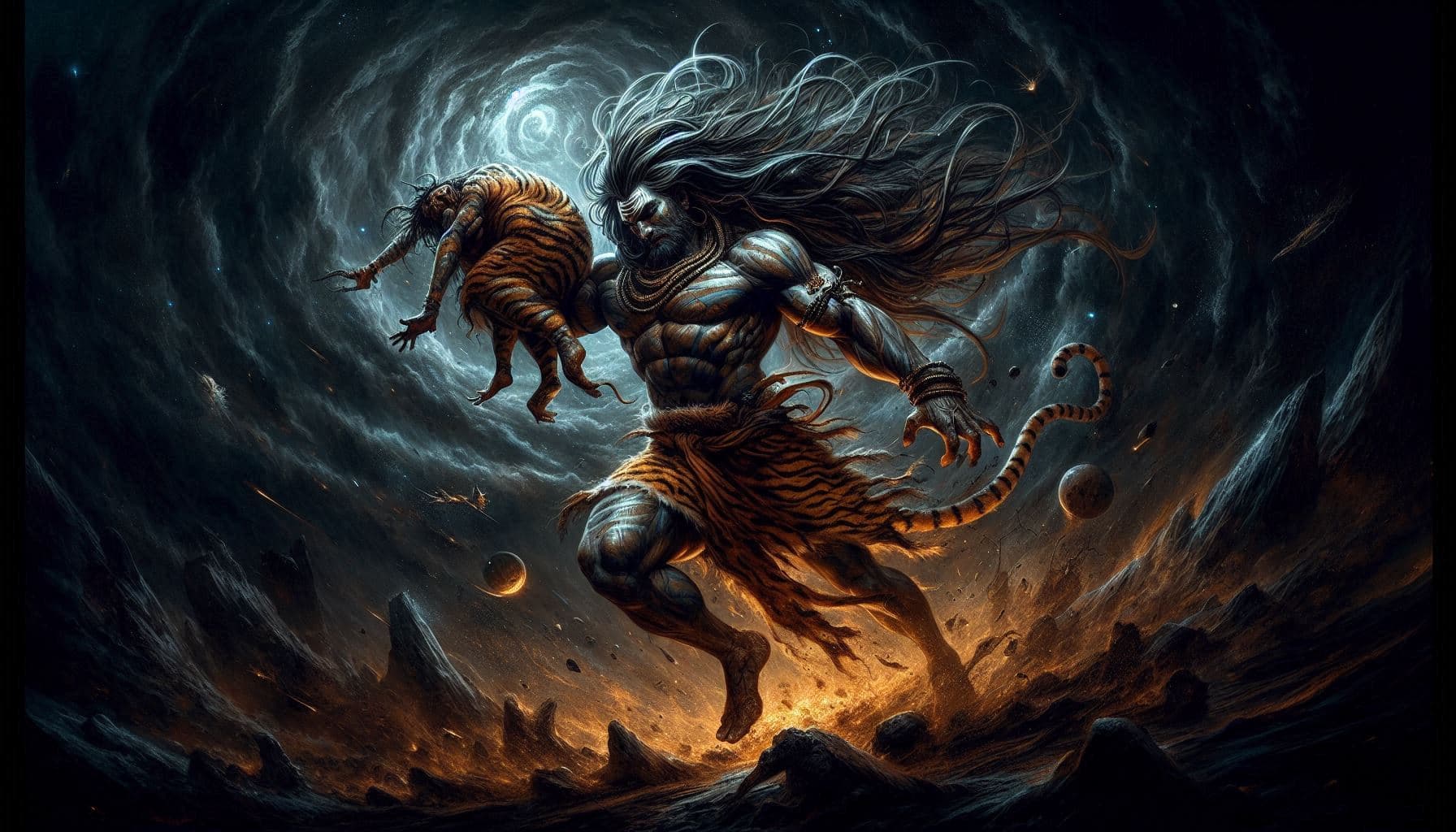
According to ancient Past History, when Sati immolated herself and Lord Shiva performed the furious Tandava, her body parts fell across the subcontinent, creating the Shakti Peethas. Kamakhya marks the spot linked to the embodiment of fertility, strength, and transformation.
This isn’t just a temple visit — it’s an experience that connects you directly to the heart of India’s spiritual heritage.
1. Unique Location
Kamakhya Temple sits on top of the stunning Nilachal Hill — and trust me, the view alone feels like a blessing. From this height, you get sweeping panoramas of Guwahati, wrapped in lush greenery and peaceful silence. It’s not just a temple; it’s a complete sensory experience.
The moment you step onto the hill, the air changes. The calm, the colours, the landscape — everything pulls you into a deeper spiritual zone. This mix of divine energy and natural beauty is what makes Kamakhya truly unforgettable. People don’t just visit; they reconnect, reset, and walk away lighter.
2. Mysterious Menstruating Goddess
One of the most fascinating and mysterious aspects of Kamakhya Temple is its connection to the Menstruating Goddess — a concept you won’t find anywhere else in the world. Every year during the Ambubachi Mela, the temple shuts down for three days because it’s believed that Goddess Kamakhya is undergoing her menstrual cycle. And when the doors reopen on the fourth day, the energy is electric. Thousands gather to receive blessings and the sacred prasad, believed to carry divine healing power.
This ritual isn’t just tradition — it’s a bold celebration of fertility, creation, and the natural cycles of life. For centuries, devotees, especially women seeking fertility, strength, or relief from menstrual challenges, have come here with unshakeable faith. Kamakhya reminds us that divinity isn’t distant — it flows through the very rhythms of nature itself.
3. Absence of an Idol
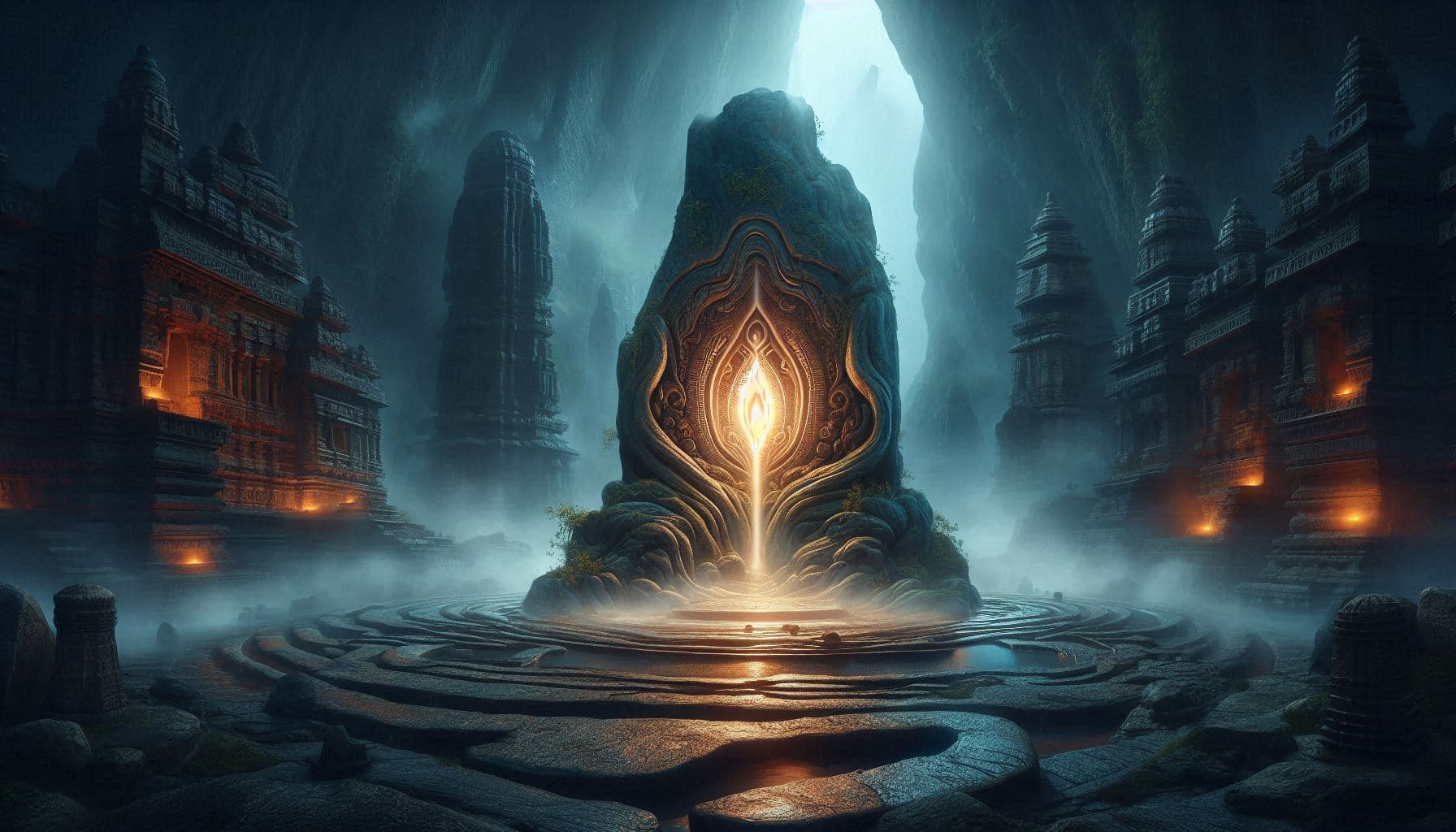
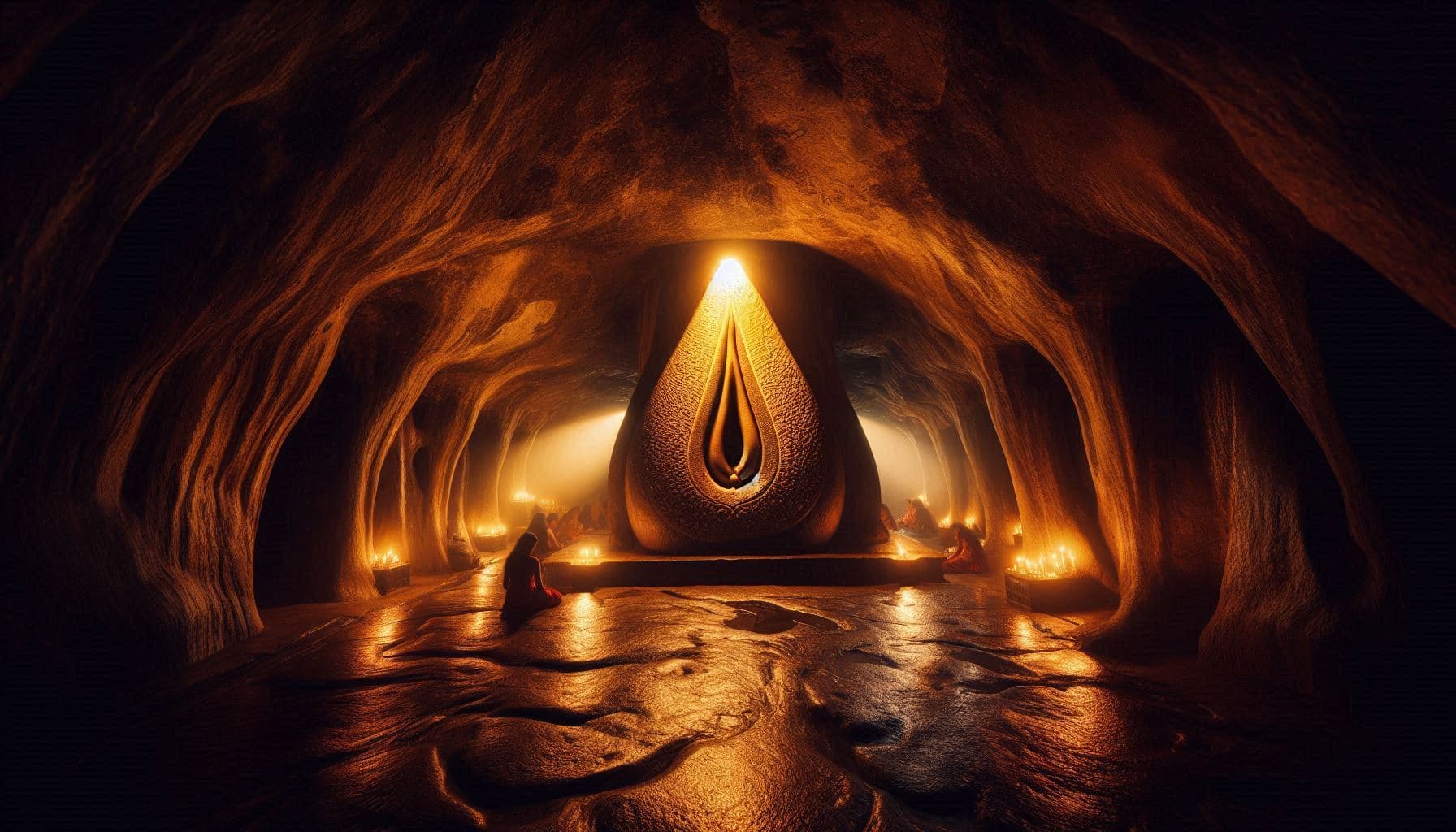
Kamakhya Temple breaks every stereotype you may have about Hindu temples — because here, there’s no idol at all. Instead, the deity is worshipped in the form of the yoni, the sacred symbol of the female reproductive energy. This alone sets Kamakhya apart, making it one of the most profound expressions of Shakti worship in India.
The yoni isn’t just a symbol — it’s the heart of the temple, representing creation, power, and the raw, unfiltered force of femininity. Devotees come here seeking blessings for fertility, prosperity, protection, and inner strength. And the moment you step inside, you can feel that energy — ancient, primal, and deeply spiritual.
Kamakhya reminds us that divinity doesn’t always need a sculpted idol. Sometimes, it’s a symbol so powerful that it speaks directly to the soul, celebrating the feminine force that drives all of creation.
4. Tantric Practices
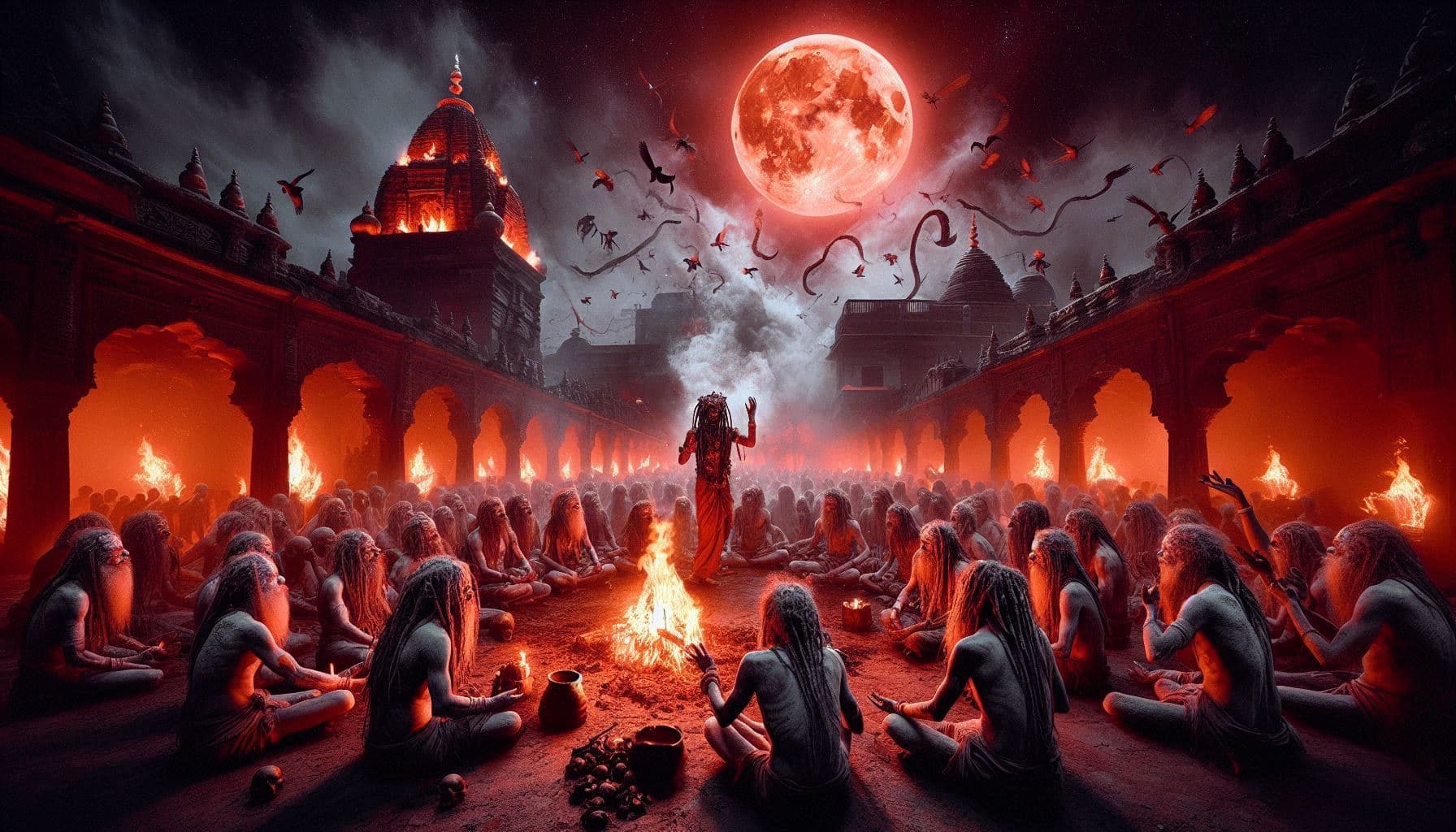
Kamakhya Temple isn’t just a spiritual destination — it’s one of the most powerful centres of Tantric energy in India. The temple’s rituals are deeply rooted in ancient Tantra, a path focused on awakening the divine force within every human. Here, the worship isn’t just about praying; it’s about experiencing energy.
Tantric priests, known as Ojhas, lead intense rituals filled with mantras, flowers, incense, and symbolic gestures that invoke the raw power of Goddess Kamakhya. Every chant, every offering, is designed to activate the dormant spiritual energy inside you.
People come here not just for blessings, but for transformation — to feel the goddess’s presence from the inside out.
5. Ambubachi Mela
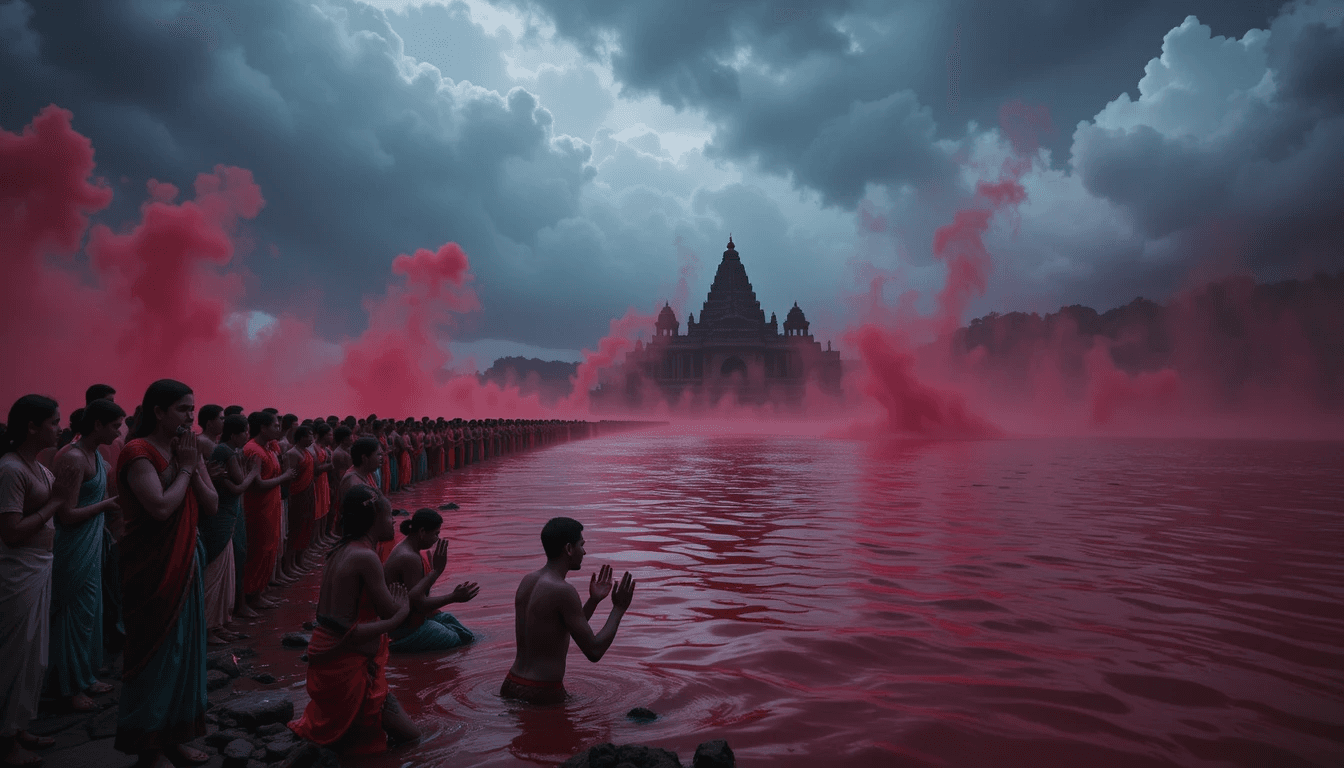
The Ambubachi Mela is not just a festival — it’s one of the most intense spiritual gatherings in India, and it happens right here at Kamakhya Temple. Every year, millions believe that during these three sacred days, Goddess Kamakhya enters her menstruation period. As a mark of deep respect, the temple doors are shut, and the entire hill shifts into a powerful, silent pause.
But the real magic begins when the temple reopens. Devotees, sadhus, travellers, families — people from every corner of the country — gather in massive numbers, waiting to receive the goddess’s blessings. The air becomes electric, the chants grow louder, and the spiritual energy feels almost tangible.
Ambubachi Mela is more than a ritual; it’s a celebration of the divine feminine force that sustains life itself. It unites strangers, strengthens faith, and reminds everyone that creation, purity, and power are deeply rooted in nature’s own rhythms.
6. Connection to Shakti Peethas
Kamakhya Temple isn’t just another sacred site — it is one of the 51 legendary Shakti Peethas, the powerful energy points spread across the Indian subcontinent. According to ancient belief, these are the places where the body parts of Goddess Sati fell when the universe shook with Lord Shiva’s grief. And Kamakhya stands out among them all, because this is where Sati’s yoni — the symbol of creation, fertility, and divine feminine energy — is said to have fallen. That alone makes it one of the most spiritually charged locations in India.
The story behind it is as intense as it gets. When Sati sacrificed herself in the flames of her father’s yajna, unable to bear his insult toward Shiva, the devastated Lord Shiva carried her body across the cosmos. To calm his destructive sorrow, Vishnu released the Sudarshan Chakra, dismembering Sati’s body. Wherever a piece fell, a Shakti Peetha was born.
Kamakhya’s connection to this myth isn’t just historical — it’s emotional, cosmic, and deeply spiritual. It’s a place where devotees come seeking not just blessings, but transformation.
7. Architectural Marvel
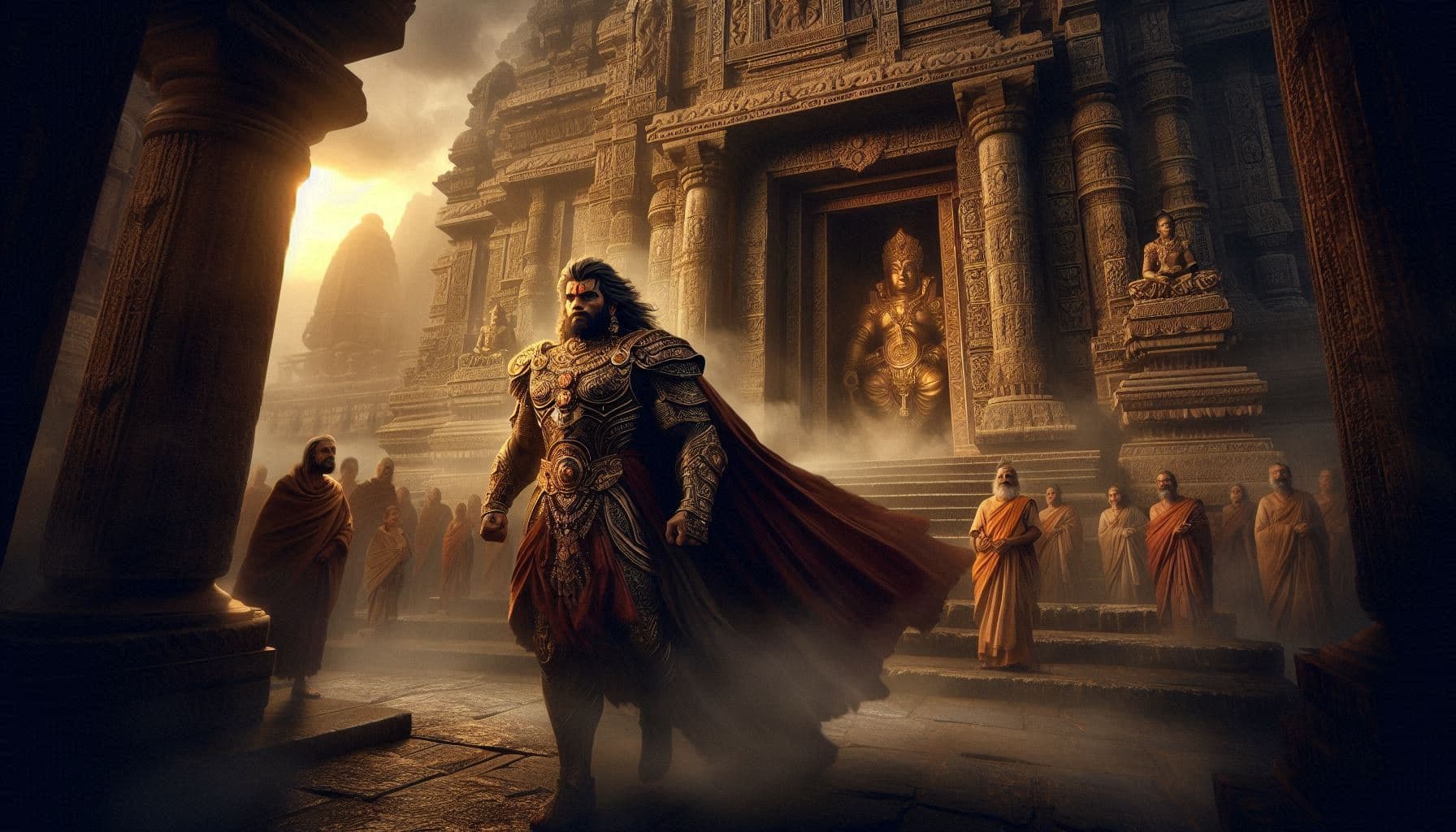
Kamakhya Temple isn’t just a spiritual powerhouse — it’s an architectural masterpiece that carries centuries of history in every brick. The moment you see it, the unique blend of ancient Assamese design and later influences hits you like a time capsule. Intricate carvings, sculpted details, and bold structural elements make the temple feel both timeless and alive.
Its iconic shikhara, beautifully crafted mandapas, and the detailed patterns across the walls and ceilings show the kind of craftsmanship you rarely see today. The entire complex is a maze of shrines, pavilions, and courtyards, each telling its own story.
Built using local stone, wood, and terracotta, Kamakhya’s architecture isn’t just about aesthetics — it’s a tribute to Assam’s cultural soul, preserved with pride and devotion.
8. Sacred Ponds and Wells
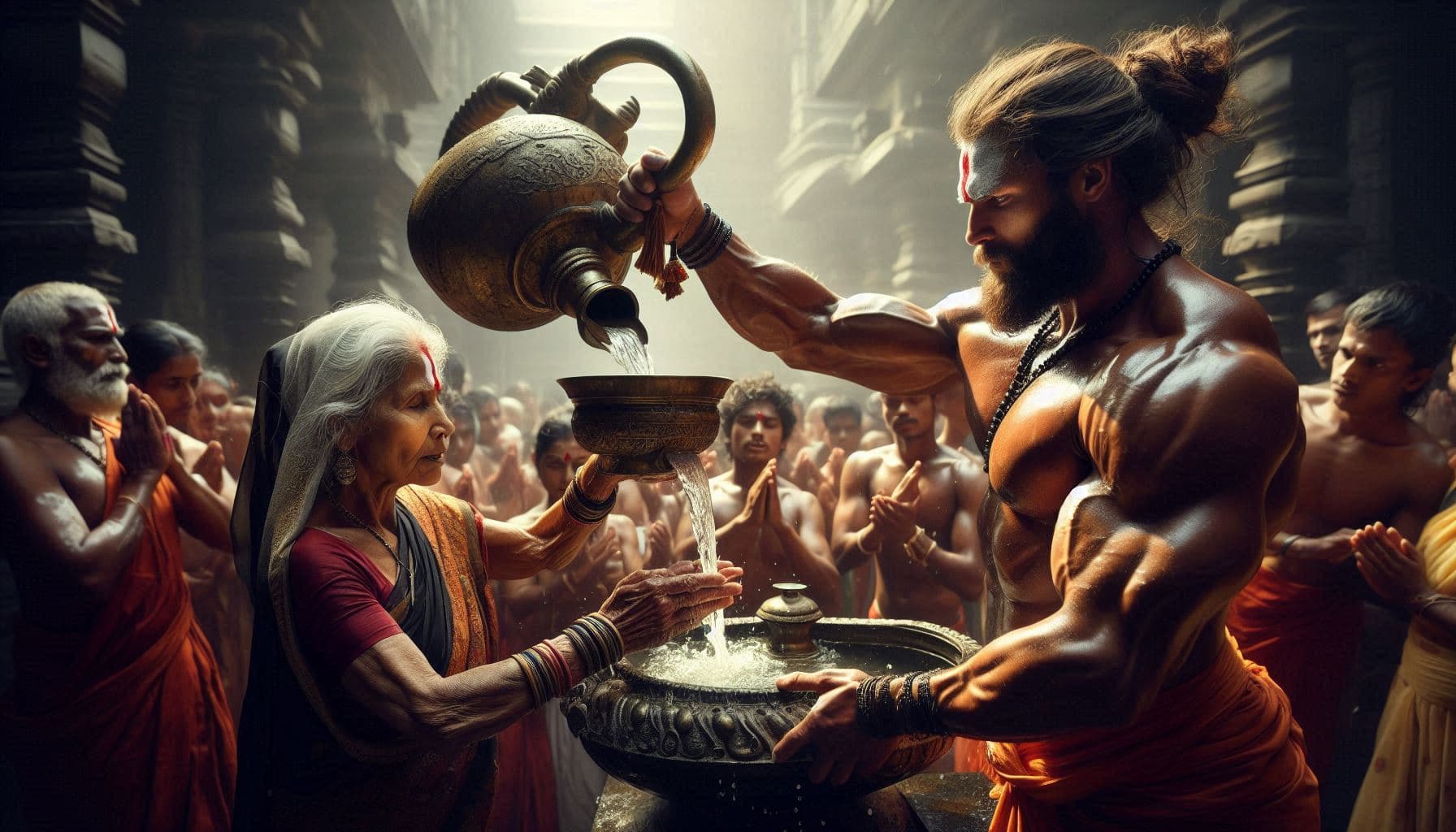
Throughout the Kamakhya Temple complex, you’ll find sacred ponds and wells that feel like hidden pockets of divine energy. These aren’t just water bodies — each one carries its own legend, its own history, and its own spiritual vibration. Many are beautifully adorned with carvings and traditional architectural touches, adding another layer to the temple’s mystical charm.
Devotees believe these waters hold powerful purifying properties, capable of cleansing not just the body, but the mind and spirit. It’s common to see pilgrims performing ritual baths, offering prayers, or simply sitting in silence near the ponds, soaking in the calm.
These holy waters play a crucial role in the temple’s rituals, symbolizing the continuous flow of divine blessings. At Kamakhya, even the ponds feel alive — connecting every visitor to the goddess’s energy in the most serene and sacred way.
9. Animal Sacrifices
One of the most talked-about aspects of Kamakhya Temple is its historic connection with animal sacrifice. For centuries, devotees offered goats and pigeons during specific rituals, believing it to be a direct expression of devotion to the goddess. It was a tradition deeply woven into the temple’s cultural fabric, but naturally, it sparked debates — especially in today’s world, where ethics and compassion are viewed through a new lens.
In recent years, though, things have begun to shift. With rising awareness about animal welfare and evolving spiritual perspectives, many devotees — and even temple authorities — have started rethinking the practice. More people now prefer symbolic offerings, seeking ways to honor the goddess without harming any living being.
This transition reflects a powerful truth: traditions can evolve. And at Kamakhya, devotion continues — with deeper consciousness and a renewed sense of respect for life.
10. Mystical Caves and Tunnels

Beneath the sacred grounds of Kamakhya Temple lies a world most visitors never get to see — a hidden network of mystical caves and ancient tunnels that adds an entirely new layer to the temple’s enigmatic charm. These underground passages, said to date back to the temple’s earliest days, are wrapped in legends. Some believe they were secret meditation chambers used by ancient sages and tantrics seeking isolation and higher consciousness. Others whisper about hidden relics, forgotten treasures, and chambers that remain sealed to this day.
These stories don’t just entertain — they deepen the temple’s mystique, pulling spiritual seekers, historians, and curious minds into its orbit.
Kamakhya isn’t just a temple; it’s a living narrative of India’s divine feminine energy — a place where creation, destruction, and rebirth are woven into every stone. As scholars decode its legends and devotees surrender to its power, Kamakhya continues to inspire millions, inviting them to explore its mysteries and discover their own spiritual truth.
Kamakhya Temple FAQs
Where is Kamakhya Temple located?
Where is Kamakhya Temple located?
Kamakhya Temple is located on the Nilachal Hill in the western part of Guwahati city in Assam, India.
Why is Kamakhya Temple famous?
Why is Kamakhya Temple famous?
It is one of the 51 Shakti Peethas and is famous for the Ambubachi Mela, where the goddess is believed to go through her menstrual cycle. It is also a major center for Tantric practices.
Is there an idol in Kamakhya Temple?
Is there an idol in Kamakhya Temple?
No, there is no idol of the goddess. She is worshipped in the form of a yoni-like stone over which a natural spring flows.
What is the Ambubachi Mela?
What is the Ambubachi Mela?
Ambubachi Mela is an annual Hindu mela held at Kamakhya Temple. It celebrates the menstruation course of Goddess Kamakhya. The temple remains closed for three days during this period.
Can everyone visit Kamakhya Temple?
Can everyone visit Kamakhya Temple?
Yes, people of all faiths can visit the temple complex, but entry into the inner sanctum may have specific rules or restrictions based on rituals and timings.