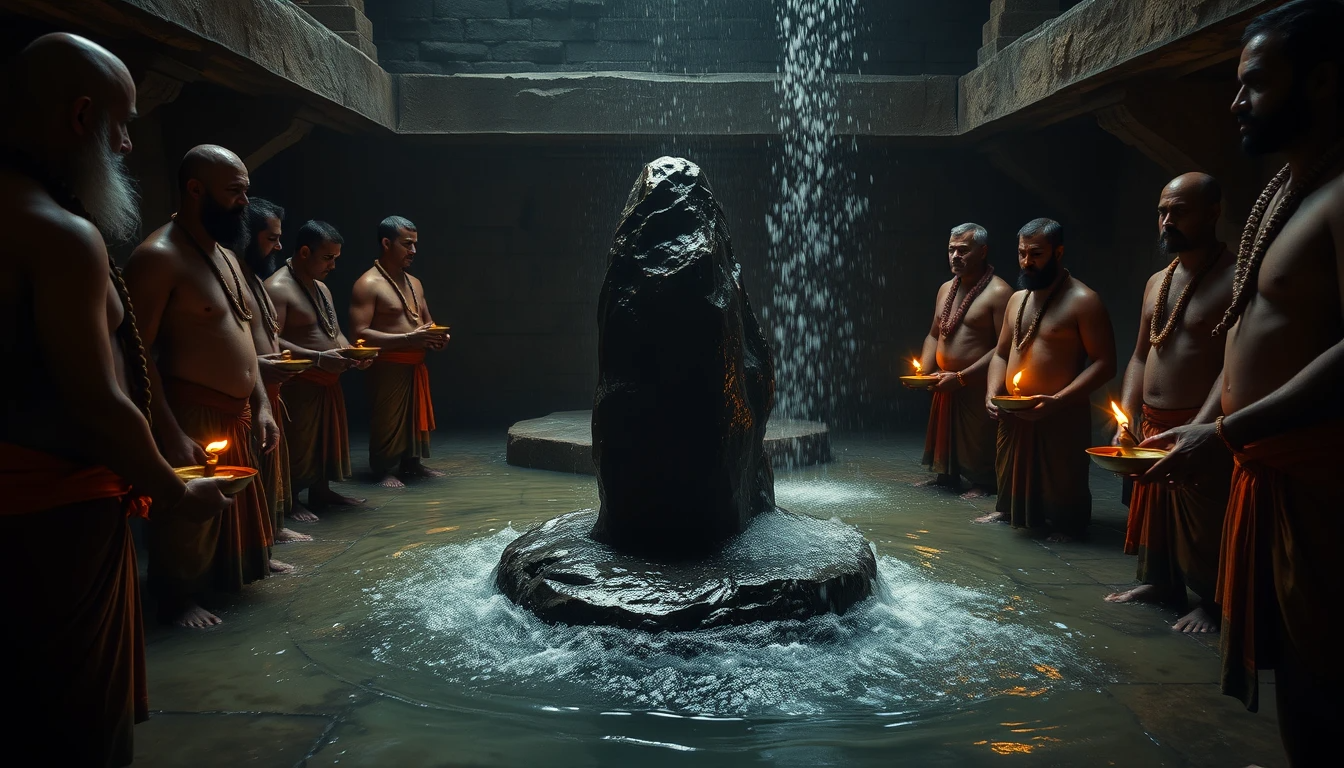
The Eternal Mystery of Mahanandi
What if I told you there exists a temple where water flows endlessly, never drying, never overflowing—defying both science and time? A place where the water you touch is said to heal sickness and wash away karma. A shrine where the deity is not carved by human hands but emerged on its own, standing as a living force of nature and divinity.
This is the mystery of Mahanandi, hidden in the shadows of the Nallamala hills of Andhra Pradesh. At first glance, it may look like just another ancient Shiva temple. But step inside, and you’ll feel it—the air heavy with devotion, the water flowing beneath your feet, and a silence that seems to whisper secrets from another age.
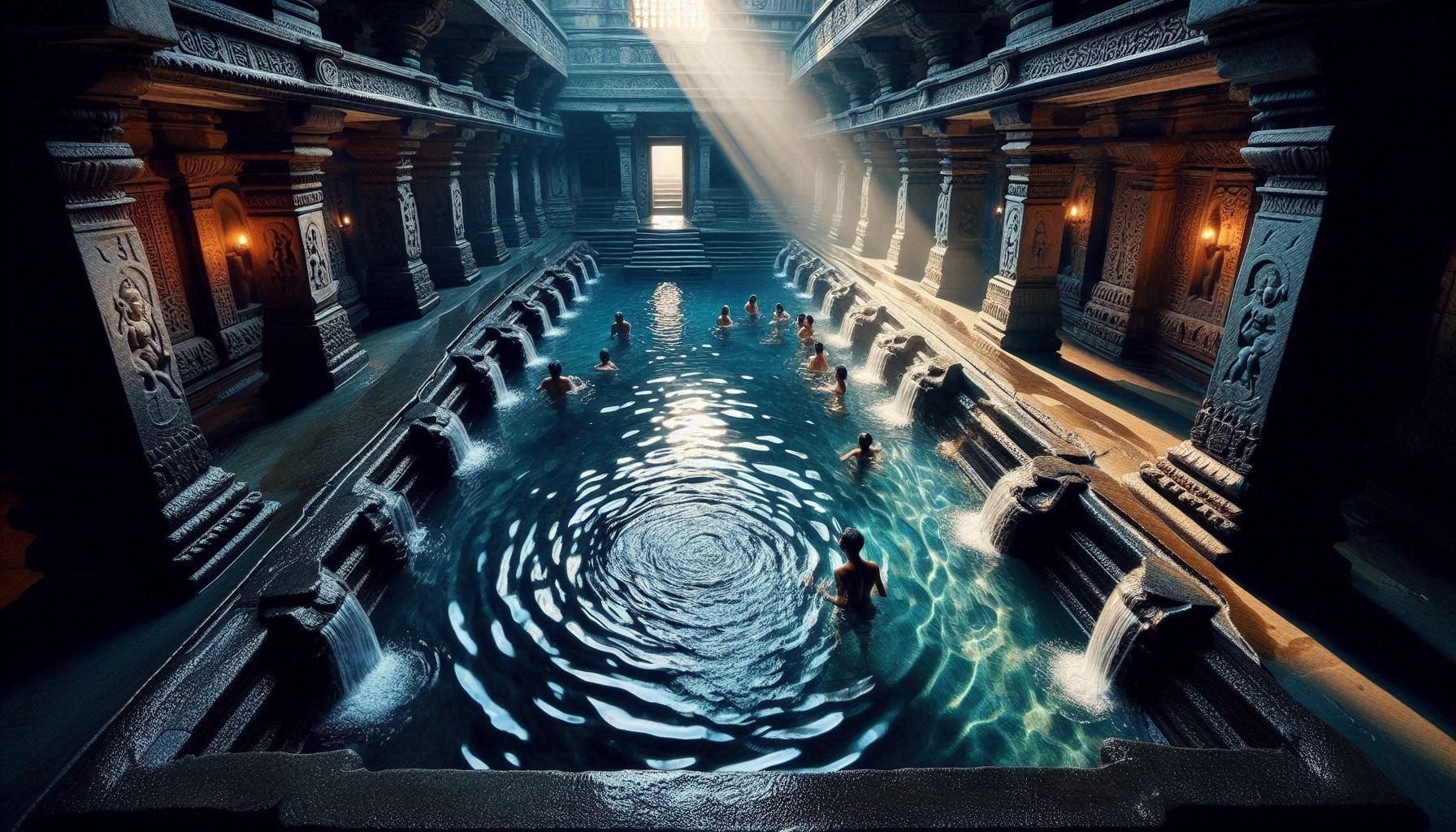
The temple’s Panchatirthas, five sacred pools, are unlike any others on earth. Their waters are pure, cool, and constant, baffling scientists while mesmerizing devotees. The sanctum itself shelters a Swayambhu Lingam, bathed eternally by these streams, as if the elements themselves are performing puja.
Is it a geological marvel, a natural wonder? Or is it something that science cannot measure—a doorway where the divine touches the earth?
Welcome to Mahanandi… where faith and mystery flow together.
1. The Healing Water of Mahanandi.
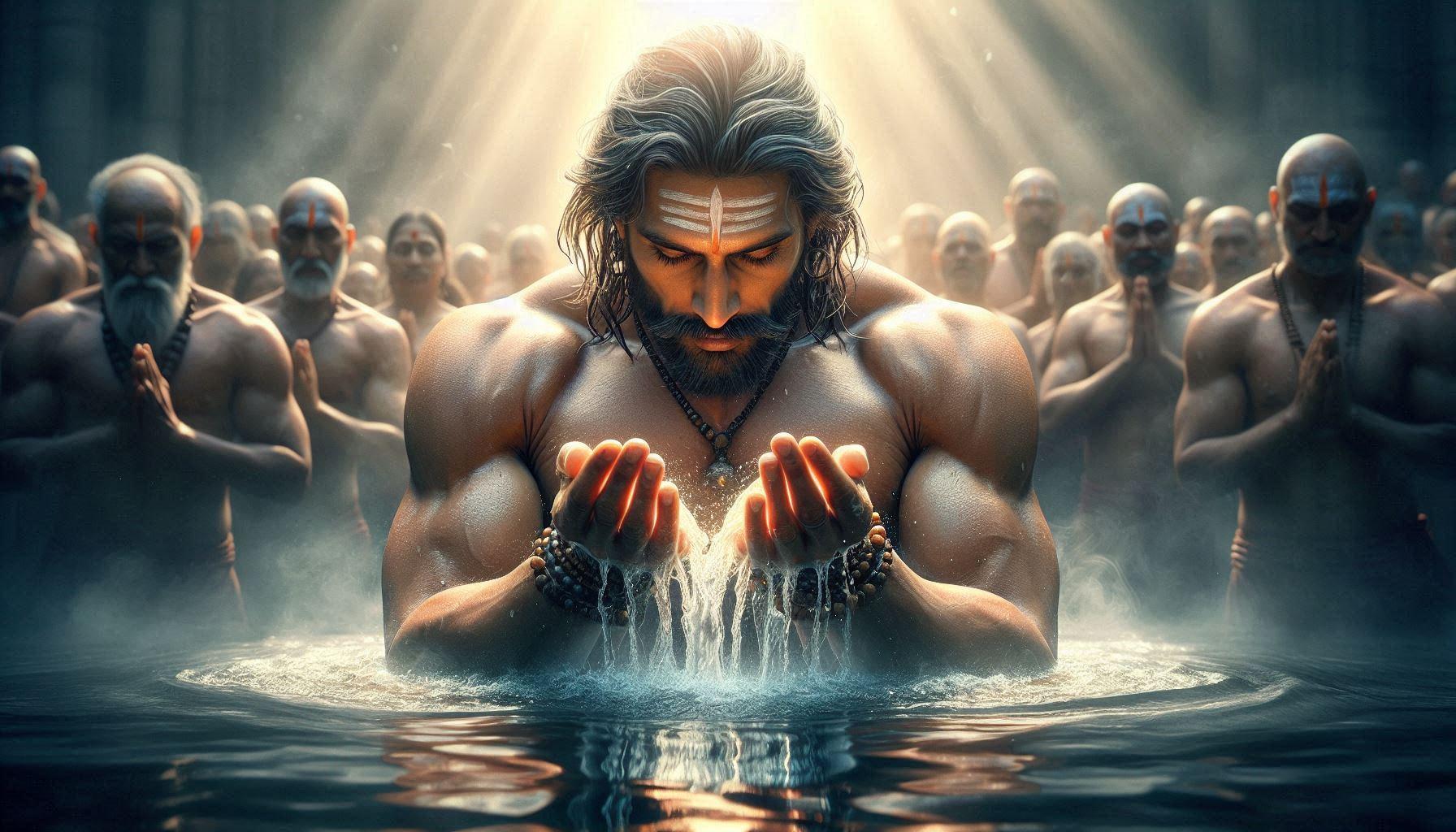
Imagine stepping into a temple where water flows not from pipes or pumps, but directly from the earth itself—pure, cool, and crystal clear. This is the first mystery of Mahanandi. Within the sacred Mahanandi temple lies the Panchatirthas, five holy pools, where the water is believed to hold healing powers.
Pilgrims say that the moment you dip your hands into it, you feel an otherworldly coolness—like nature itself has been filtered through divinity. Locals whisper tales of fevers vanishing, skin diseases fading, and even chronic pain easing after bathing in these waters. For centuries, villagers have carried this water back to their homes, treating it like liquid medicine from Lord Shiva himself.
But here’s where the mystery deepens: scientists have tested the water for contamination and found it unusually pure, even though it flows in open pools, touched daily by thousands of devotees. No algae, no stagnation—just an eternal clarity.
Is it a secret of subterranean mineral springs, a hidden network of natural filters under the earth? Or is it something beyond science—a divine gift from the Swayambhu Lingam of Mahanandi?
Every drop asks the same haunting question: is this water nature’s miracle… or God’s blessing?
2. The Perpetual Flow of Water.
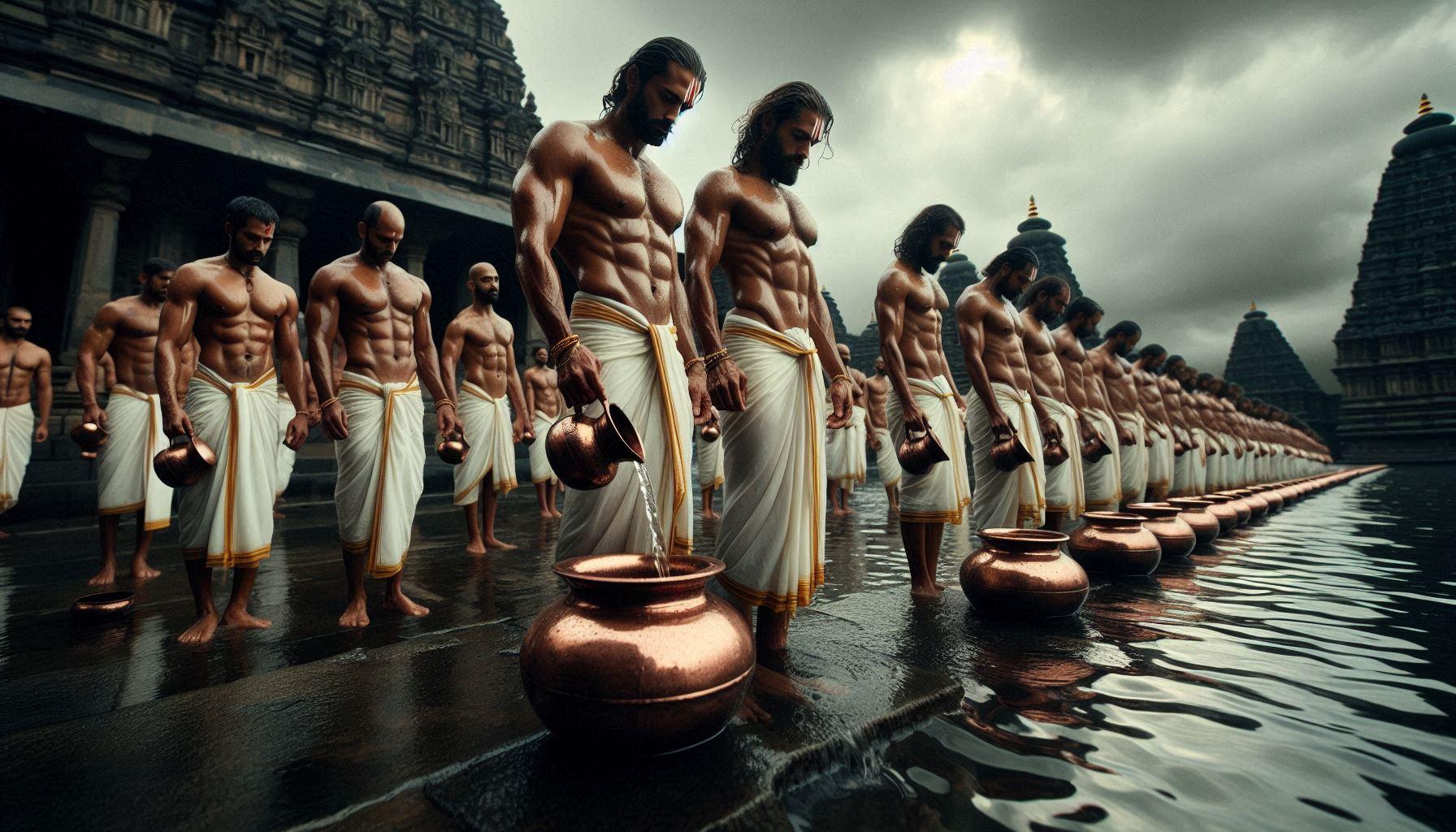
No matter the season—summer’s scorching heat, monsoon floods, or winter’s chill—the pools of Mahanandi never run dry. Day and night, year after year, a continuous stream of water flows into the sanctum and out into the temple tanks.
What makes this even more mysterious is its consistency. The water remains at the same level, neither overflowing during heavy rains nor drying up in droughts. Villagers recall years when the entire region faced water scarcity, but within the temple, the streams of Mahanandi flowed as though protected by divine hands.
Geologists suggest underground springs and natural aquifers might feed the temple pools. But here lies the riddle—why doesn’t the water pressure fluctuate? Why does the temperature remain cool and soothing, even under the blazing Andhra sun?
Local legends offer another answer. They say Lord Shiva himself blessed the land, ensuring that the devotees of Mahanandiswara would never thirst. The pools are described not as natural springs, but as Shiva’s breath made liquid, sustaining both life and devotion.
So, what is it—geology’s hidden marvel or divine engineering from an age when gods walked among men?
The water keeps flowing, and so does the mystery.
3. The Ancient Origins of Mahanandi.
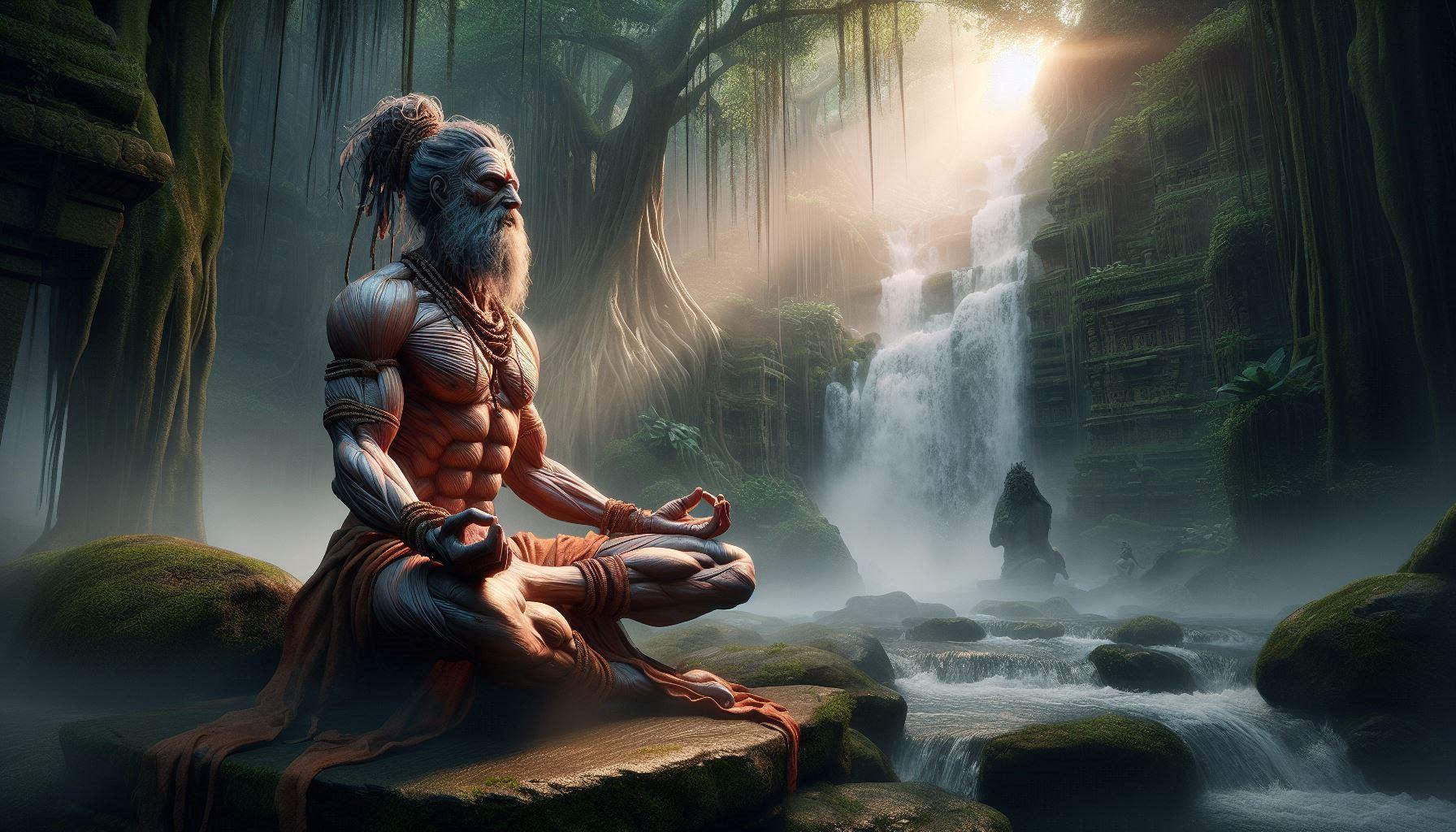
Long before modern maps, long before kingdoms rose and fell, Mahanandi already stood as a sacred site. Archaeologists believe the temple’s origins go back over 1,500 years, with inscriptions linking it to the powerful Chalukya dynasty. Yet, local tradition insists the temple is even older—so old that no human hand can truly claim its beginning.
Mahanandi is revered as one of the Nava Nandis, nine ancient shrines dedicated to Lord Shiva scattered across the Nallamala forest region. Together, these nine are believed to form a mystical grid, a network of spiritual energy points that protect the land and its people. But at the heart of this network lies Mahanandi, where the Swayambhu (self-manifested) Shiva Lingam rests, untouched by time.
Legends say sages once performed tapasya here, drawn by the ever-flowing waters and the divine vibrations of the Lingam. Ancient kings expanded the temple, but the sanctum—the core where the Lingam and water meet—remains unchanged, as if time itself refuses to alter it.
So who truly built Mahanandi? Was it the Chalukyas who shaped its grand halls, or was it nature and divinity themselves, working hand in hand, long before history began recording?
The silence of the stones holds the answer.
4. The Swayambhu Lingam and Its Power.
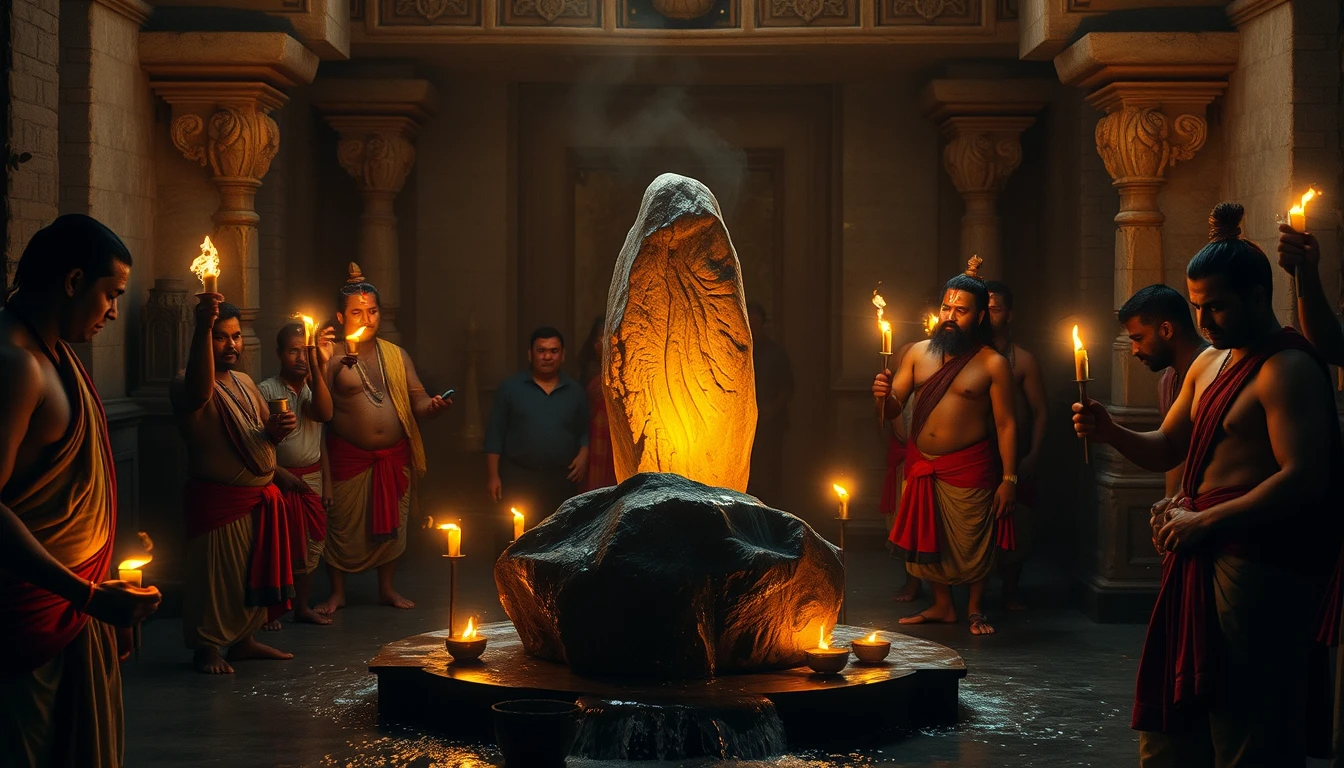
At the heart of the Mahanandiswara Temple lies its greatest secret—the Swayambhu Lingam, a Shiva Lingam that is believed to have emerged on its own, not carved by human hands. Unlike the polished Lingams seen in most temples, this one is rough, natural, and raw, symbolizing pure, untouched divinity.
But the true wonder is how it interacts with the water. The Lingam is partially submerged, and the sacred streams constantly bathe it, as if the elements themselves are in eternal worship. Priests and devotees say that standing before this Lingam is unlike any other experience—you don’t just see it, you feel it. Some describe it as a gentle vibration, others as a deep stillness that silences the mind
Local legends narrate that when demons once threatened the region, Lord Shiva manifested here as the Swayambhu Lingam to protect the land and bless the people. Since then, the Lingam has been seen not just as a symbol, but as living energy—a presence that breathes through the water, the air, and the stone walls of the temple.
Is it a geological oddity shaped by nature, or a timeless reminder that divinity cannot be crafted—it must be born?
The Lingam itself keeps the secret.
5. The Legends and Living Faith of Mahanandi.

Every stone of Mahanandi breathes with legends, carried through centuries by the faith of its people. Elders speak of a time when sages meditated in the dense Nallamala forests, and celestial beings descended to bathe in the temple’s sacred pools. Some stories say the waters are connected to the holy Ganga itself, hidden beneath the earth, flowing unseen until they rise here in purity.
One of the most cherished beliefs is that a devotee who bathes in the Panchatirthas with a pure heart will wash away not only illness, but also karmic burdens. For this reason, even today, thousands gather during festivals like Maha Shivaratri, filling the temple with chants that echo against the hills.
But what makes this mystery alive is not just the ancient tales—it’s the unshakable faith of the people. Generations have walked barefoot to Mahanandi, carrying offerings of flowers, milk, and lamps, convinced that Lord Shiva himself waits to bless them. For them, the temple is not just stone and water—it is living proof of the divine.
Science may search for explanations, but in Mahanandi, belief itself becomes the miracle. The legends live on, because the people refuse to let them die.
Final Thoughts, Where Faith Flows Forever.
Mahanandi is not just a temple—it is a living mystery. The healing waters, the perpetual flow, the ancient origins, the Swayambhu Lingam, and the timeless legends—all weave together into something that neither history nor science can fully explain. For some, it is geology. For others, it is faith. But for those who have stood before the Lingam and touched the sacred pools, it is something beyond words—a connection to the eternal.
Even today, as chants echo through the halls and lamps flicker against the waters, one question lingers in every pilgrim’s heart: Is this nature’s secret, or God’s miracle?
Perhaps the true mystery of Mahanandi is not just in the water or the stones—it is in the belief of millions who keep it alive. And maybe, just maybe, that belief is the greatest power of all.
Mahanandi Temple FAQs
Where is Mahanandi Temple located?
Where is Mahanandi Temple located?
Mahanandi Temple is located in the Nandyal district of Andhra Pradesh, at the foothills of the Nallamala Hills, about 15 km from Nandyal town.
Which deity is worshipped at Mahanandi Temple?
Which deity is worshipped at Mahanandi Temple?
The presiding deity of Mahanandi Temple is Lord Shiva, worshipped here as Mahanandeeswara Swamy.
What is special about Mahanandi Temple?
What is special about Mahanandi Temple?
Mahanandi Temple is famous for its natural perennial springs, especially the sacred Nandi Kalyani tank, whose crystal-clear water flows throughout the year.
What is the history of Mahanandi Temple?
What is the history of Mahanandi Temple?
Mahanandi Temple has ancient origins dating back over 1,500 years. It was renovated during the Chalukya, Chola, and Vijayanagara periods, showcasing a blend of architectural styles.
What are the temple timings of Mahanandi?
What are the temple timings of Mahanandi?
Mahanandi Temple generally opens from 4:30 AM to 9:30 PM, but timings may vary on special festival days.
How far is Mahanandi Temple from Nandyal?
How far is Mahanandi Temple from Nandyal?
Mahanandi Temple is about 15 km from Nandyal town and is well connected by road.
Why is the Nandi Kalyani tank at Mahanandi Temple unique?
Why is the Nandi Kalyani tank at Mahanandi Temple unique?
The Nandi Kalyani tank is unique because it is constantly fed by underground springs, and the water maintains the same level and purity throughout the year, regardless of the season.