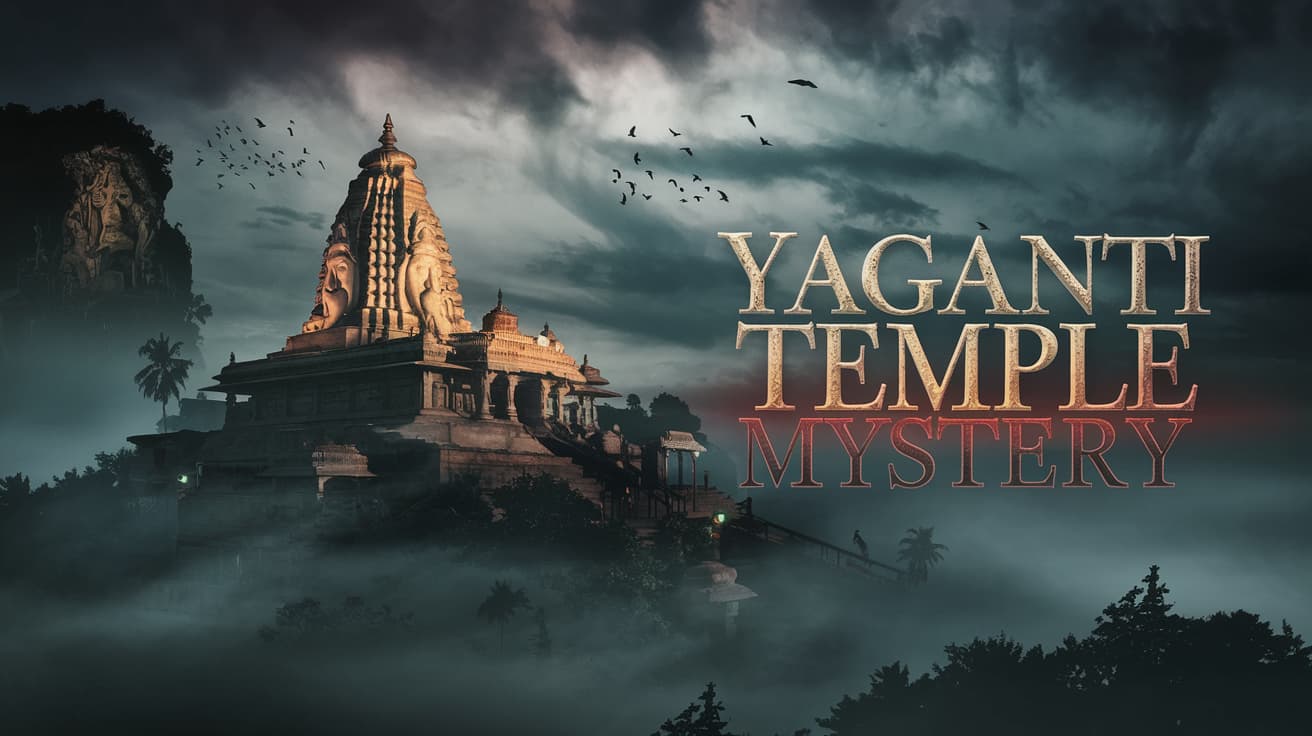
What if I told you…
There exists a temple in Andhra Pradesh where water flows eternally from the base of a Shiva Lingam… where seven stone pillars play music as if struck by invisible hands… where Lord Shiva Himself faces the opposite direction from all other temples in India…
This is not myth.
This is not imagination.
This is the Bugga Ramalingeswara Swamy Temple of Tadipatri – a place where faith, architecture, and natural wonder merge into one timeless mystery.
But the real question is… were these marvels born out of divine intervention, or did the ancients know secrets of science and nature that we still haven’t uncovered?
1. Story Begins, The Forgotten Wonder of Tadipatri.

Our story begins in the small town of Tadipatri, on the banks of the sacred Penna River, in today’s Anantapur district of Andhra Pradesh.
Here stands a temple unlike any other – built more than 500 years ago, during the glorious rule of the Vijayanagara Empire. While Hampi is celebrated across the world for its temples, few know that Tadipatri once stood as a jewel in the same crown – rich with art, devotion, and architectural genius.
The Bugga Ramalingeswara Temple was constructed between 1490 and 1509 CE, by Pemmasani Ramalinga Nayudu I, a powerful chieftain loyal to the empire. He was not just a warrior, but also a patron of art and spirituality, leaving behind this temple as a mark of devotion to Lord Shiva.
But what he built here is far from ordinary. Every detail of this temple seems to whisper secrets – of the divine, of science, and of human genius that feels almost impossible for its time.
2. The West-Facing Shiva Lingam.
Step inside the sanctum… and the first shock greets you.
Unlike almost every Hindu temple in India, where the deity faces the east, here Lord Shiva faces the west.
Why is this unusual?
Because in Hindu tradition, east symbolizes the rising sun, new beginnings, and spiritual awakening. Temples are aligned eastward to welcome the first rays of Surya. But here, Shiva turns his back on the east – gazing towards the west.
Local legends say this was deliberate. According to one story, the deity wished to face the Penna River, flowing west of the temple, blessing its waters. Another belief says that Lord Shiva here signifies the setting sun – the destroyer, the cosmic dissolver, showing that life, too, moves towards its twilight.
For some devotees, this unusual direction is proof that the deity here holds a special cosmic energy—a vibration that reverses normal patterns of faith.
Could it be just symbolism? Or did the temple architects know something deeper about astronomical alignments?
3. The Swayambhu Lingam.
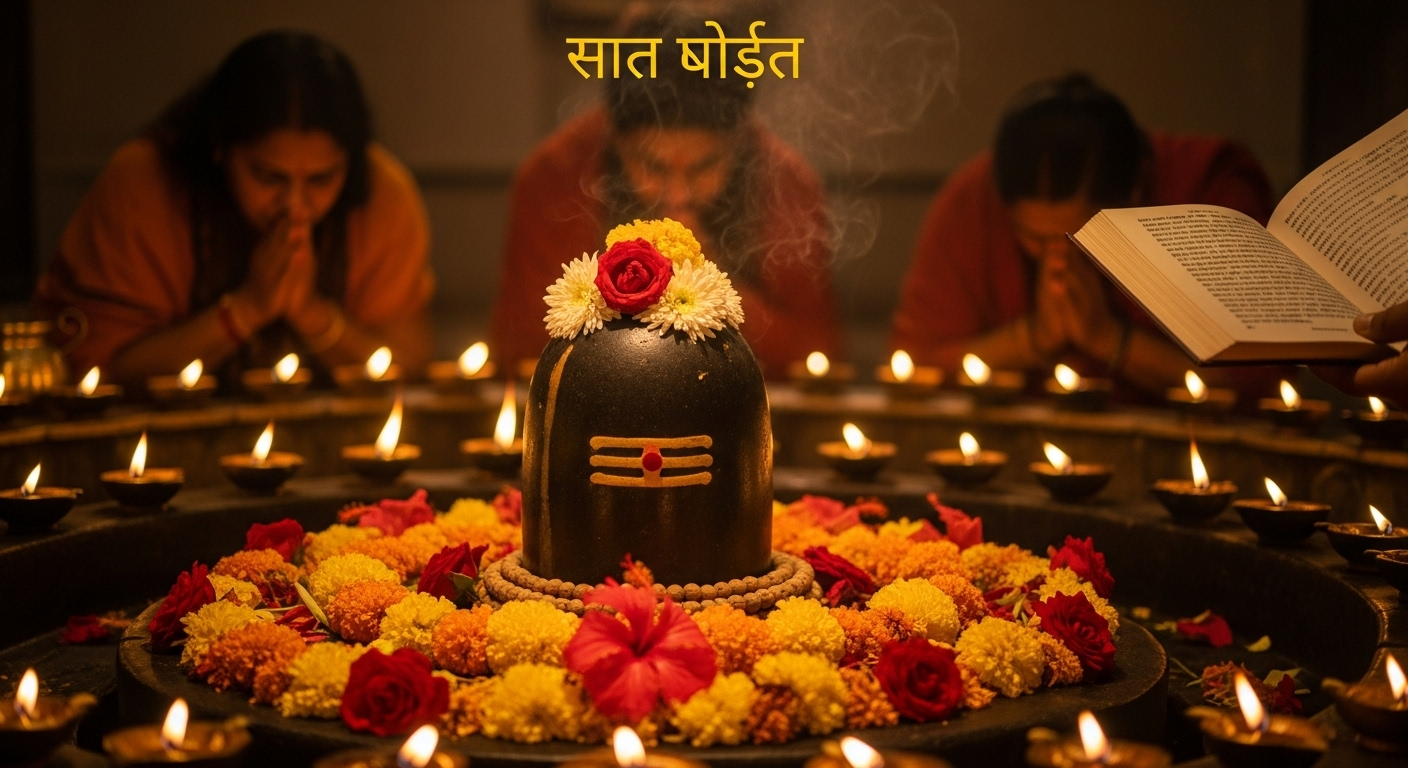
The Shiva Lingam enshrined here is not carved, not installed by human hands, but is believed to be Swayambhu—self-manifested.
This belief makes the temple far holier than many others. Scriptures say that Swayambhu Lingams are rare – they emerge naturally, representing Lord Shiva’s eternal presence on earth.
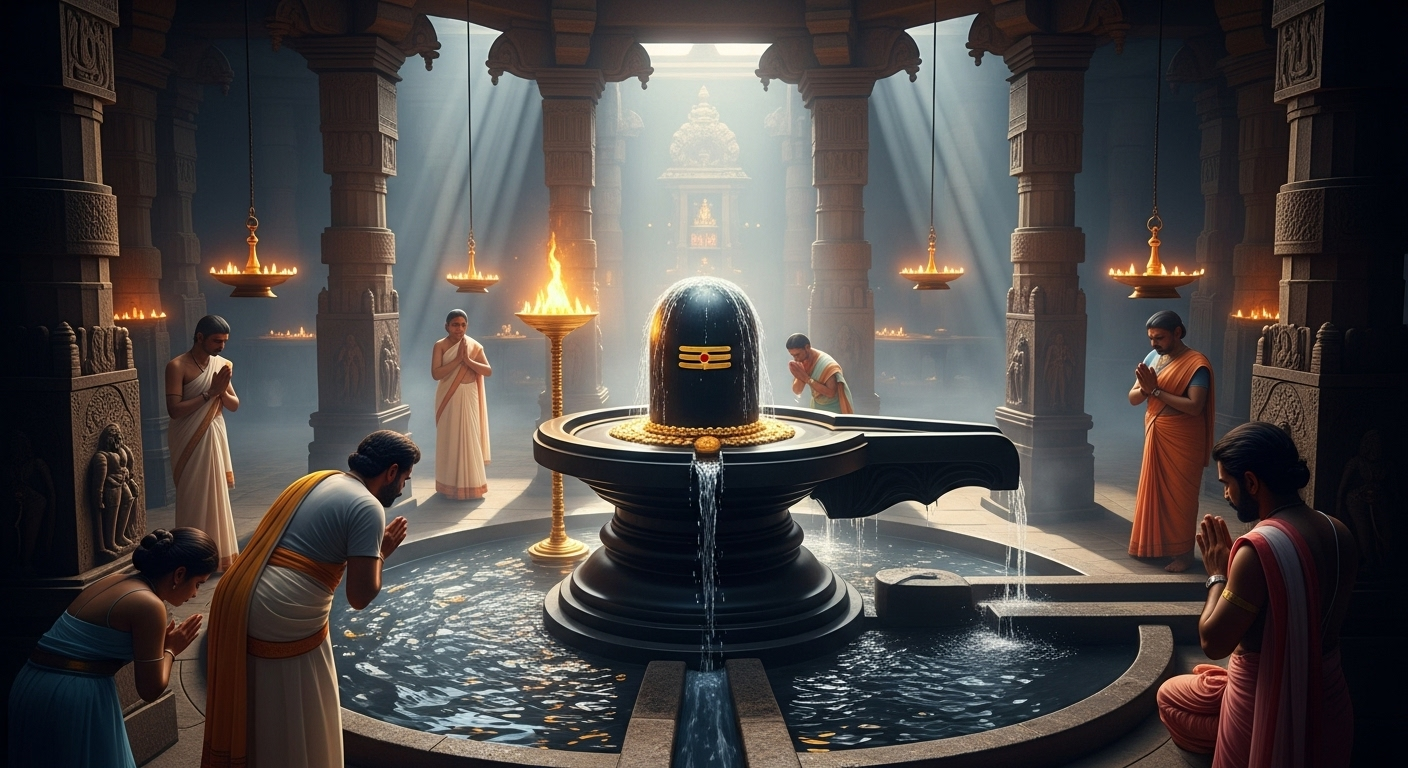
But here’s the surprise: devotees say the flowing water (the bugga) beneath the lingam emerges directly from the deity’s base. It’s as if nature itself bore witness to Lord Shiva’s manifestation by providing an eternal spring.
Some geologists suggest the temple was constructed on a natural aquifer—a point where groundwater pushes upward through cracks in the rock. But the timing, the placement, and the alignment feel too precise to be coincidence.
How could the builders of the 15th century have chosen this exact spot unless they knew the secret of the land?
4. The Musical Pillars of Vishnu’s Shrine.
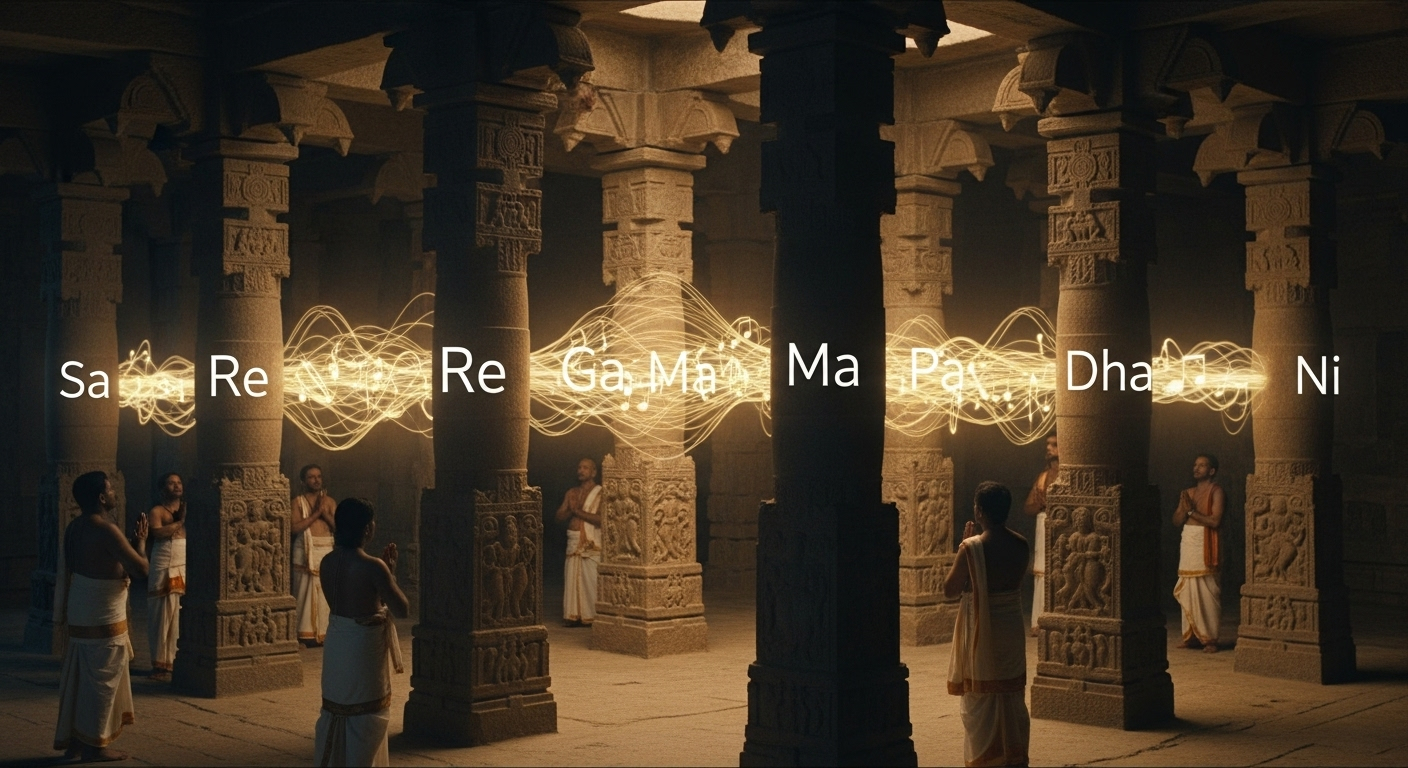
The mysteries don’t stop there. Inside the complex, before a shrine dedicated to Lord Vishnu, stand seven slender stone pillars.
Strike them lightly… and they sing.
Each pillar produces a distinct note – together forming the saptaswara, the seven notes of Indian classical music: Sa, Re, Ga, Ma, Pa, Dha, Ni.
Imagine this – cold granite singing like a veena in the hands of the divine.
Archaeologists call them “musical pillars,” marveling at how ancient sculptors achieved this acoustic wonder. Some suggest that it required precise carving and an understanding of resonance frequencies of stone. But how could sculptors of 500 years ago achieve such accuracy, without modern tools, without sound analyzers?
Local devotees simply smile and say – “It is not man who made these pillars sing. It is God.”
5. The Perpetual Spring, The Bugga.

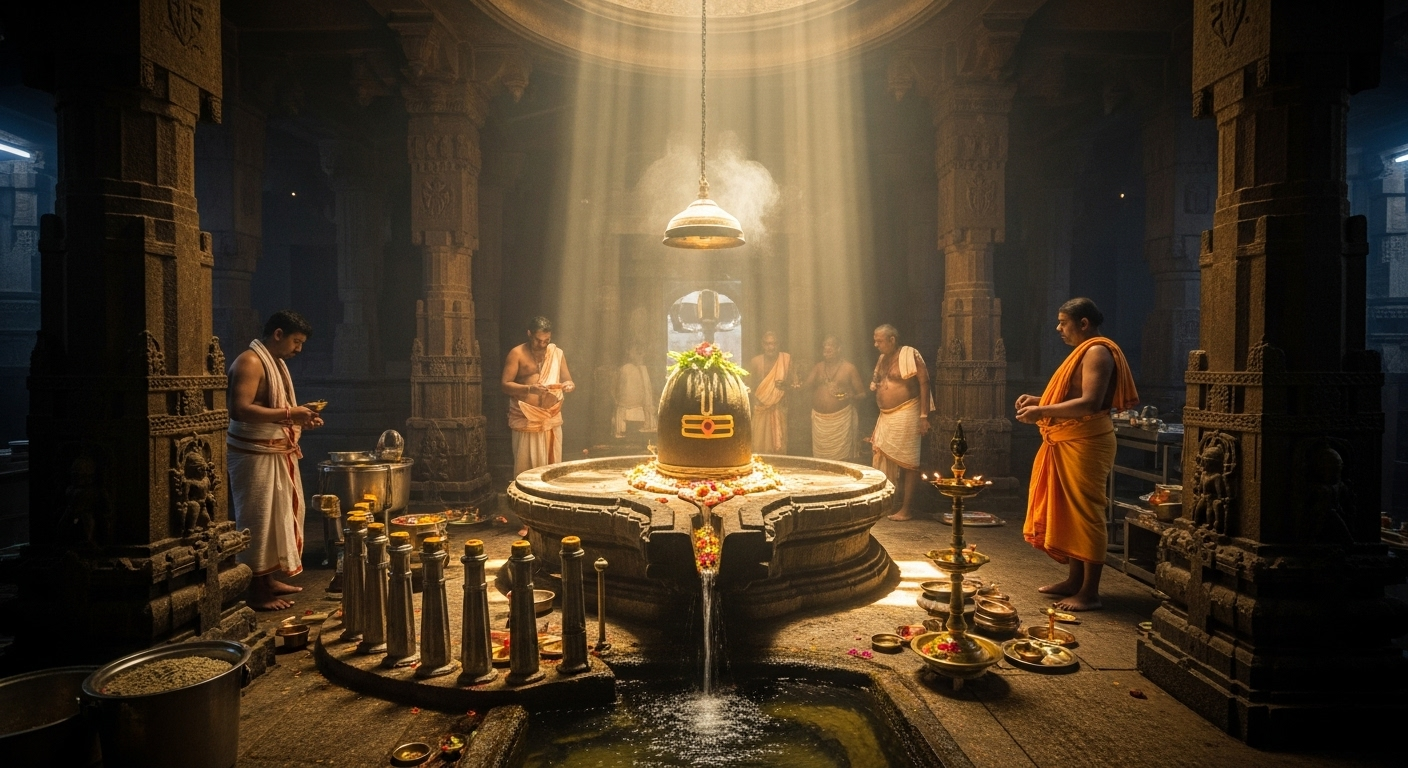
The temple derives its name from one of its greatest wonders – the Bugga, a natural spring.
Water flows here continuously, seemingly without source or end. Even in the harsh summers of Rayalaseema, when the Penna River shrinks and the land thirsts, the spring never dries.
Priests believe the spring is directly connected to the Shiva Lingam, as if Lord Shiva Himself blesses devotees with the water of eternity.
Scientists might argue that it’s a naturally occurring underground water channel. But even if that is true, how did the temple’s builders discover this miraculous spot? Was it coincidence, or an advanced form of geohydrology that we do not give them credit for?
To this day, villagers believe drinking or bathing in this water cleanses not just the body, but the soul.
6. Temple History, Vijayanagara Splendor.
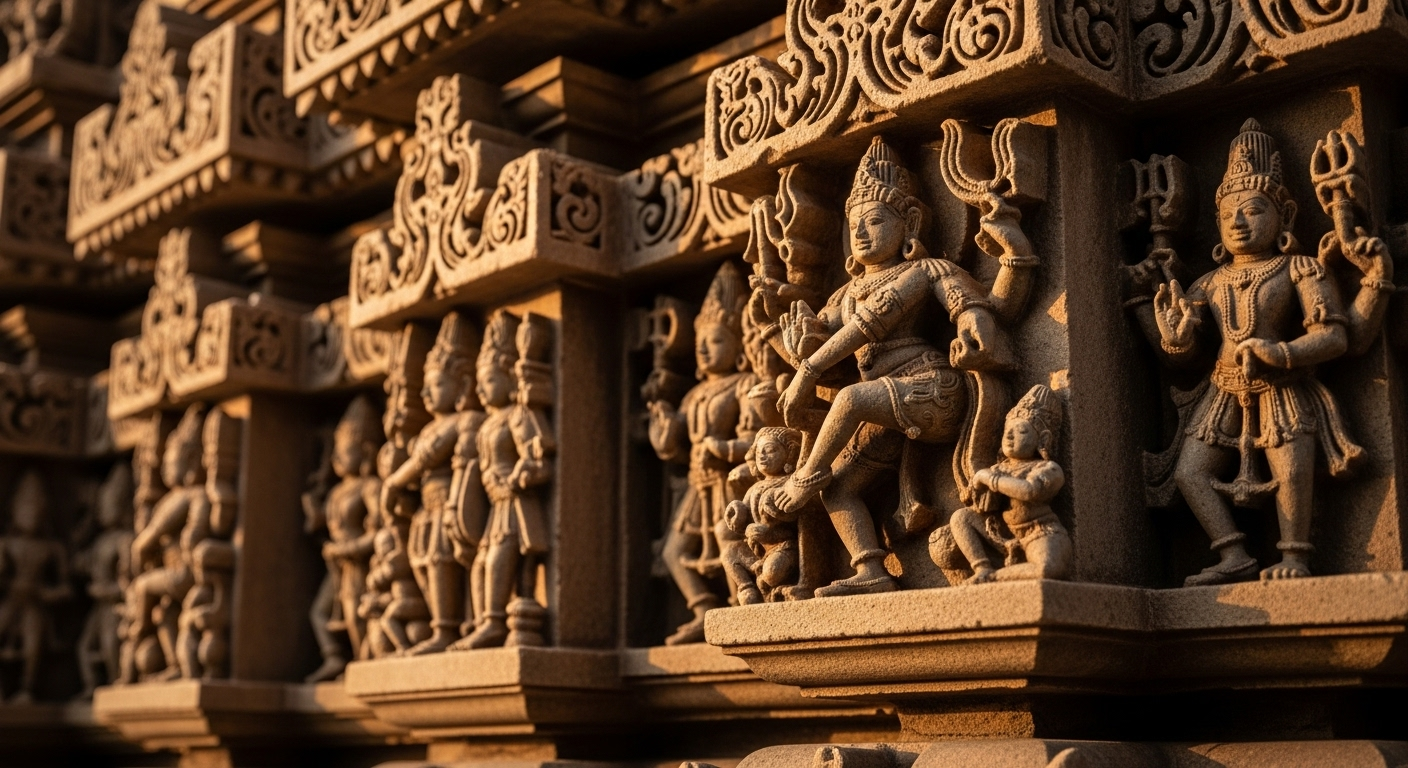
The Bugga Ramalingeswara Temple was more than a place of worship – it was a statement of devotion and artistic brilliance.
Its construction reflects a blend of Chalukyan, Chola, and Vijayanagara architecture. The towering gopuram, the intricate mandapas, and the endless carvings all tell stories from the Ramayana, Mahabharata, and Shiva Purana.
Look closely at the miniature carvings – warriors locked in battle, sages in meditation, gods descending to earth, and scenes of cosmic dance. These are not just decorations; they are scriptures carved in stone.
Ramalinga Nayudu, the temple’s builder, ensured that his name lived forever not through conquest, but through divine service. He even carved his legacy into the very pillars, a silent reminder that art and devotion are as immortal as the gods themselves.
7. Science vs Faith, A Thin Line.
So, what really makes Bugga Ramalingeswara Temple mysterious?
Is it the west-facing lingam, the swayambhu origin, the musical pillars, or the perpetual spring?
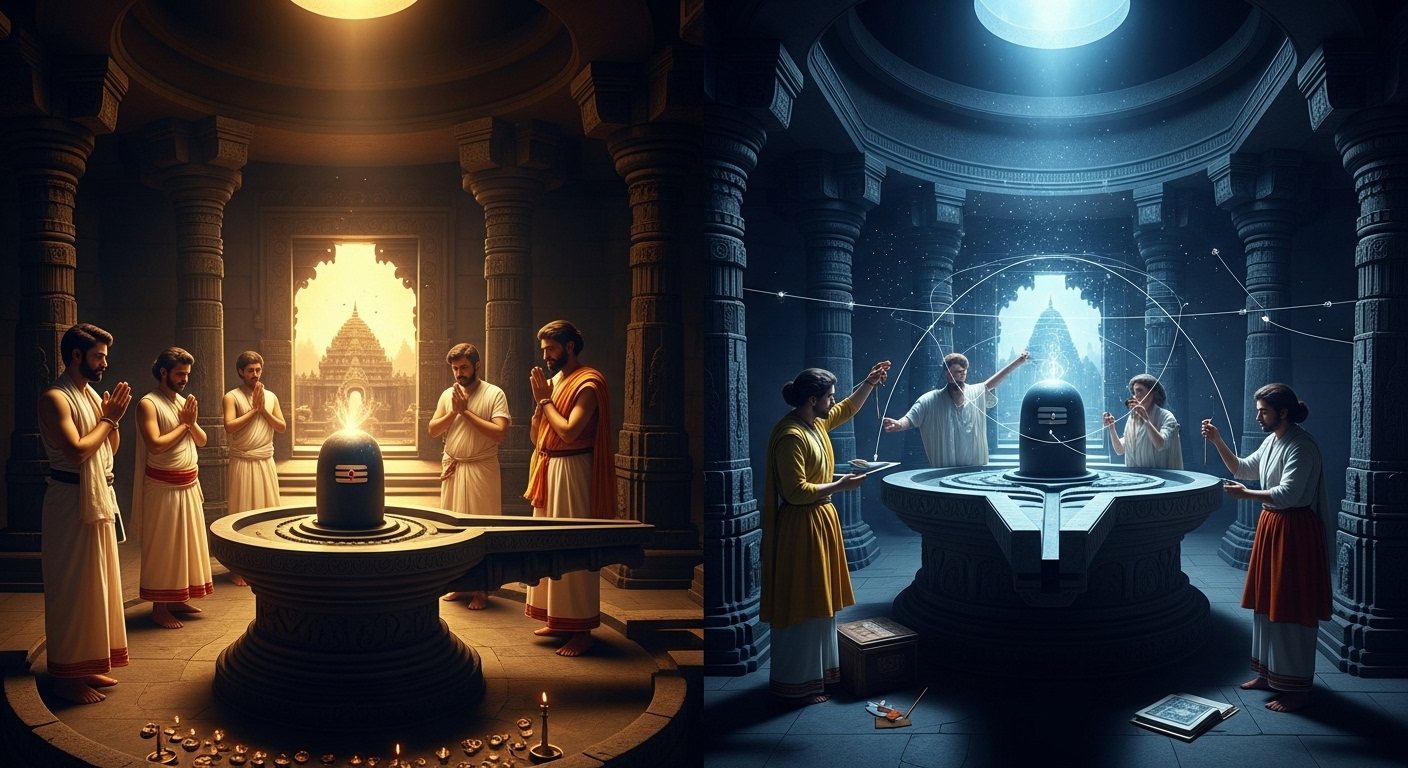
Science may give us partial answers – aquifers, resonance, symbolic alignments. But faith goes beyond. For devotees, these are not coincidences – they are proof of divine presence.
And maybe that’s the true magic – a place where faith and science don’t clash, but dance together like Shiva’s tandava.
Final Thoughts, The Unanswered Question.
As you walk out of the temple, past the silent carvings and the singing stones, one question lingers in your mind…
Did the builders of Bugga Ramalingeswara Temple know secrets of water, sound, and cosmic alignment that we’ve lost today? Or is this temple truly alive – breathing, singing, and blessing with the unseen hand of the divine?
Perhaps we may never know. But one thing is certain – in the heart of Tadipatri, the stones are not silent. They sing, they flow, and they whisper the timeless truth of Lord Shiva.
So tell me…
What do you believe?
Is Bugga Ramalingeswara Temple a miracle of man, or a miracle of God?
Bugga Ramalingeswara Swamy Temple FAQs
Where is Bugga Ramalingeswara Swamy Temple located?
Where is Bugga Ramalingeswara Swamy Temple located?
Bugga Ramalingeswara Swamy Temple is located in Tadipatri town, Anantapur district, Andhra Pradesh, India. It is situated on the banks of the River Pennar and is a popular pilgrimage and heritage site.
What is the significance of Bugga Ramalingeswara Swamy Temple?
What is the significance of Bugga Ramalingeswara Swamy Temple?
The temple is dedicated to Lord Shiva in the form of Ramalingeswara Swamy. It is renowned for its unique feature where water continuously flows from the pedestal (bugga) of the Shiva Lingam, symbolizing purity and divine energy.
Who built Bugga Ramalingeswara Swamy Temple?
Who built Bugga Ramalingeswara Swamy Temple?
The temple was constructed during the Vijayanagara dynasty in the 15th century. It is a fine example of Vijayanagara architecture, showcasing intricate carvings and grand pillars.
What are the temple timings of Bugga Ramalingeswara Swamy Temple?
What are the temple timings of Bugga Ramalingeswara Swamy Temple?
The temple generally opens from 6:00 AM to 12:00 PM and from 4:00 PM to 8:00 PM. Timings may vary during festivals, so visitors are advised to check locally before planning their visit.
How to reach Bugga Ramalingeswara Swamy Temple?
How to reach Bugga Ramalingeswara Swamy Temple?
The temple is well-connected by road and rail. Tadipatri has its own railway station, just 5 km from the temple. The nearest major city is Anantapur (50 km away). Buses and taxis are available from Tirupati, Anantapur, and nearby towns.
What is the history of Bugga Ramalingeswara Swamy Temple?
What is the history of Bugga Ramalingeswara Swamy Temple?
Bugga Ramalingeswara Swamy Temple dates back to the Vijayanagara period. The temple’s unique feature of water flowing from the Lingam adds to its religious significance, and its architectural brilliance reflects the artistic excellence of that era.