What if I told you… a simple mistake in the way you sleep could drain your energy, disturb your dreams, and even invite death itself? For thousands of years, Vastu Shastra — the ancient Indian science of space and energy — has warned us: Never sleep with your head facing north.
But why? At first, it sounds like superstition. Yet, when you dig deeper, the mystery unfolds. The Earth itself acts like a giant magnet, silently influencing our bodies. The north is linked with Yama, the god of death. The dead are always laid with their heads northward. Science too whispers strange truths — disturbed blood flow, restless nights, sudden heart stress, and eerie nightmares, all connected to this single direction.
Is this coincidence, or a secret wisdom our ancestors encoded for survival? Tonight, as you rest your head, ask yourself — are you sleeping with life, or with death?
Mystery Number 1, The Magnetic Pull of the Earth.
Imagine this: You lie down to sleep after a long day. Your head is pointing north. What happens next is something our ancestors warned us about thousands of years ago — and only now, modern science is beginning to catch up.
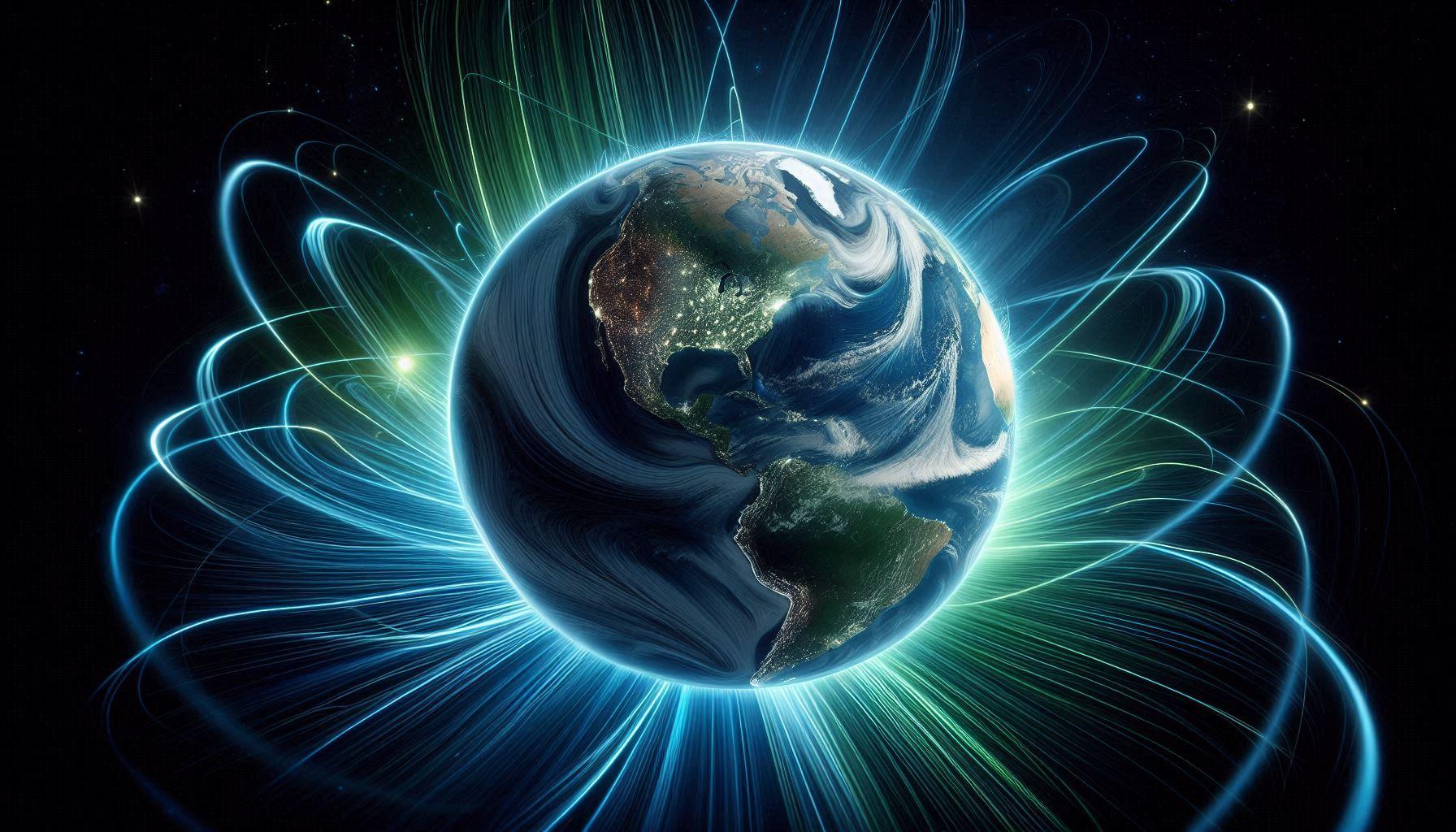
The Earth is like a giant magnet, with its poles emitting powerful geomagnetic fields. Your body, especially your blood, is rich in iron. When you place your head towards the north, you’re aligning yourself against the planet’s natural polarity. Ancient Vastu Shastra says this disrupts your prana — your vital energy flow. But scientifically, it means your body may face increased pressure in the brain, disturbed blood circulation, and restless sleep.
Think about it: ever had mornings where you wake up more tired than when you went to bed? Or unexplained headaches after a night’s rest? Many cultures — from Indian sages to Japanese healers — believe this is the invisible effect of Earth’s magnetic alignment clashing with our bodies.
So was Vastu merely superstition, or did they know a hidden truth long before magnetic fields were discovered?
The deeper we look, the stranger the warnings about sleeping northward become…
Mystery Number 2, The Sleep of Death.
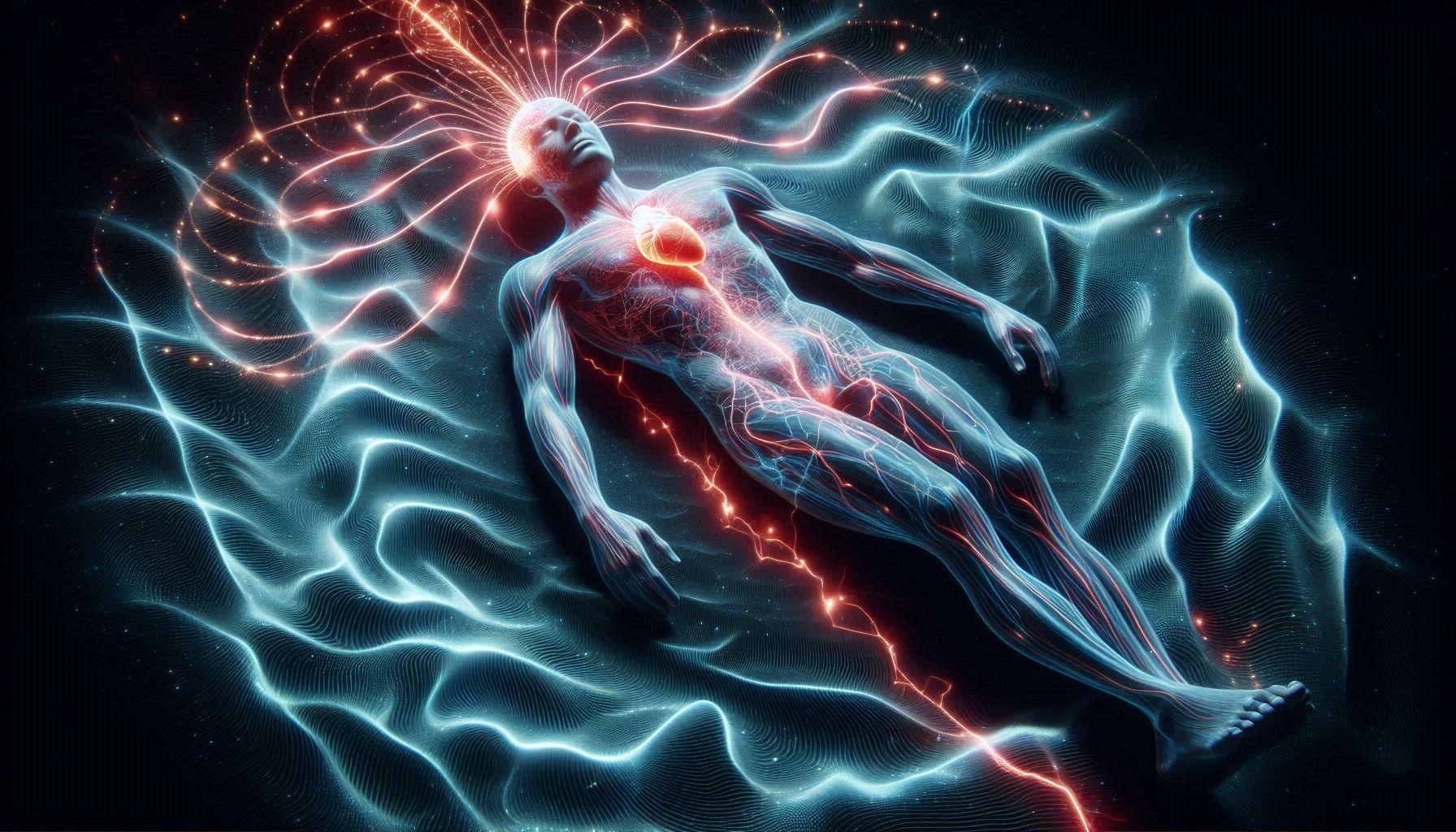
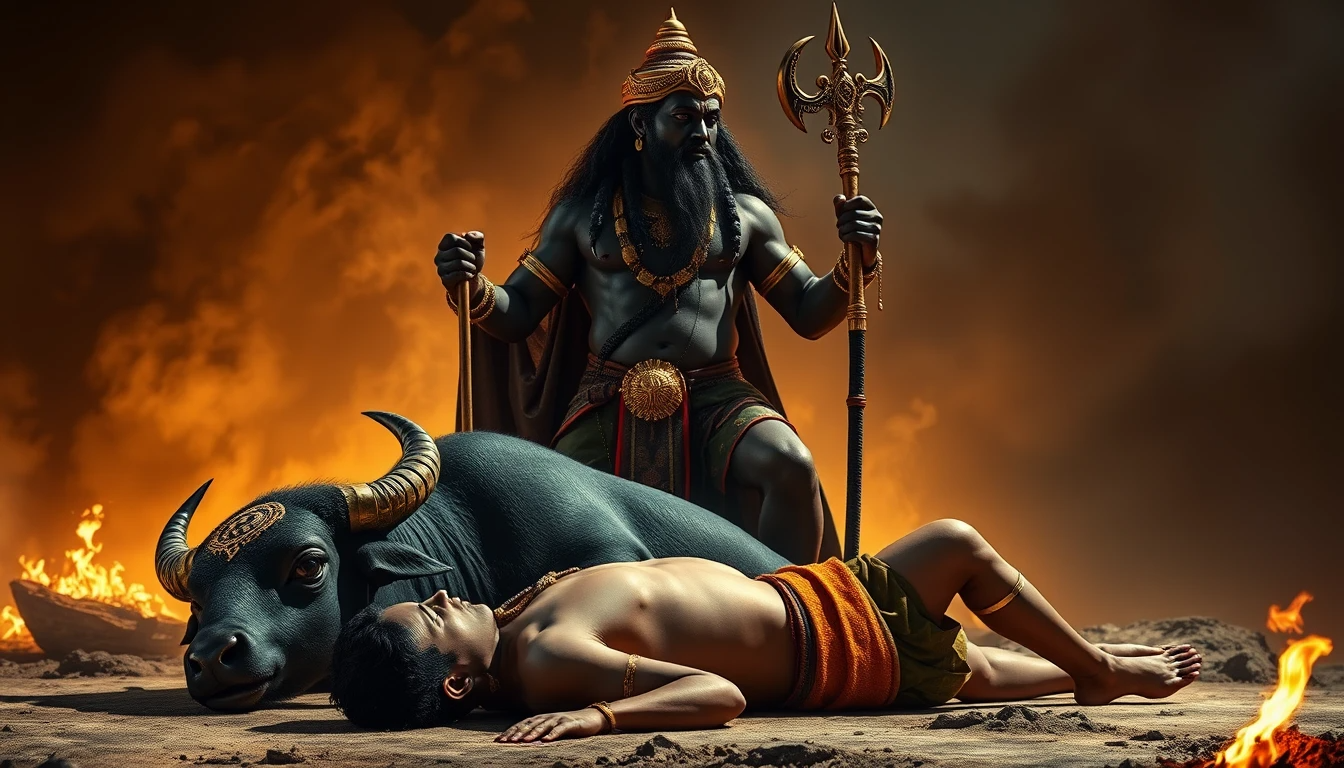
In Vastu Shastra, sleeping with your head facing north isn’t just considered unlucky — it’s called the sleep of death. Why? Because the north is believed to be the direction of Yama, the god of death. Traditionally, bodies of the deceased are laid to rest with their heads pointing north, symbolizing their journey beyond this world.
Now imagine aligning yourself the same way while still alive. Ancient texts warn that doing so invites negative energy, drains your life force, and shortens your lifespan. But here’s where it gets mysterious: modern researchers studying bioelectric fields suggest that the body generates its own energy currents. Aligning these currents with the earth’s geomagnetic pull — but in reverse — may cause subtle disruptions in heart rhythm and brain activity during deep sleep.
Villagers across India still whisper stories of elders who ignored this warning and suffered sudden strokes or never woke up again. Whether these tales are coincidence or ancient wisdom, one thing is clear: the northward head position was never meant for the living.
So the question arises — if the north is the direction of death, what deeper cosmic law were our ancestors trying to protect us from?
Mystery Number 3, The Disrupted Flow of Prana.
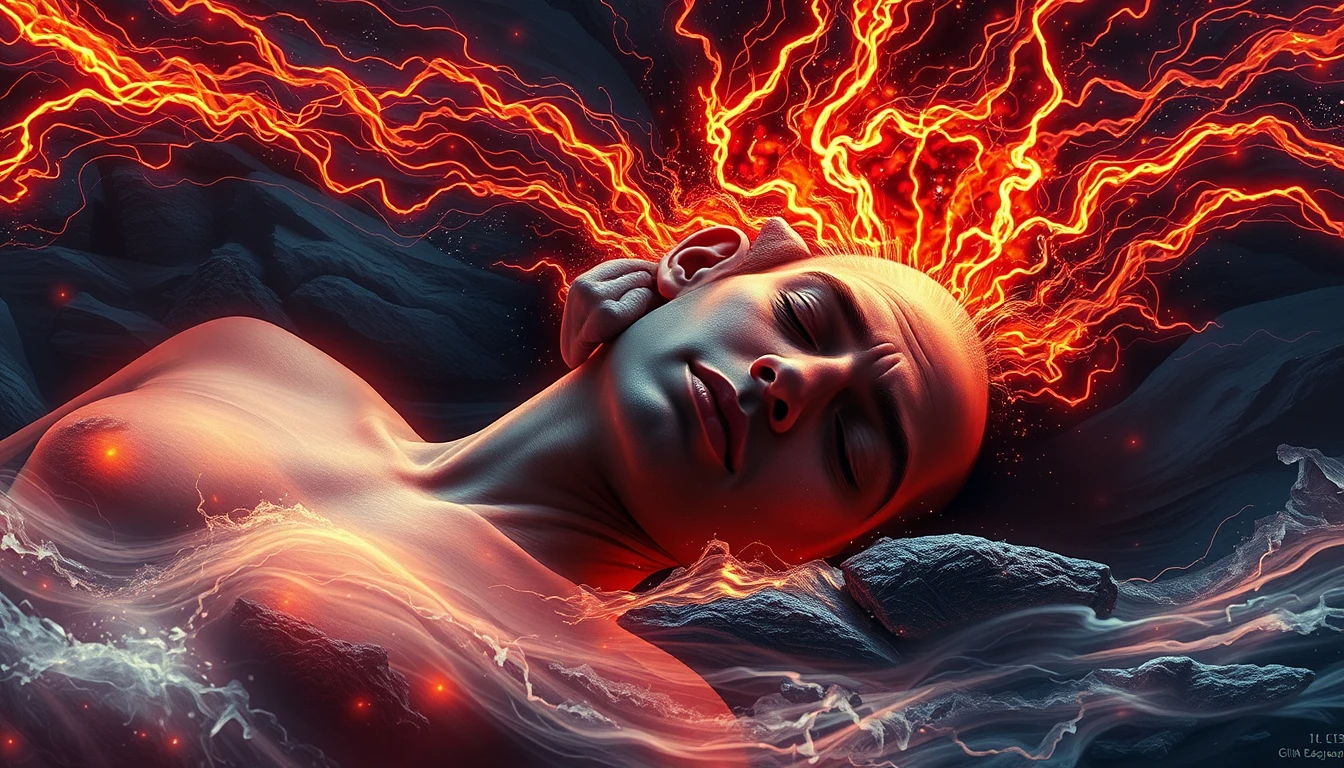
According to Vastu and Ayurveda, the human body isn’t just flesh and bone — it’s a vessel of prana, the life force that flows through subtle energy channels called nadis. When this prana moves smoothly, you feel healthy, calm, and energized. But sleep with your head facing north, and the ancients believed this flow is instantly disturbed.
Why north? Because it is the direction where cosmic energy meets the Earth’s magnetic pull. Instead of harmonizing with your body’s natural rhythm, it creates resistance. Picture a river suddenly flowing against a dam — pressure builds, blockages form. The result? Restless nights, strange dreams, and even heightened anxiety upon waking.
Modern science adds another layer: during sleep, our brains undergo deep electrical activity to repair and recharge. Disruptions in electromagnetic balance can affect melatonin production, disturb REM cycles, and even cause nightmares.
Many yogis claim they can “feel” this misalignment — a heaviness in the head, an unusual heat, or even a racing heart when lying northward. Is this the prana’s warning signal? Or are we brushing against invisible forces science has only begun to measure?
The mysteries don’t stop here — the northward sleep also seems to affect something even more sacred: our dreams.
Mystery Number 4, Nightmares and the Realm of Spirits.
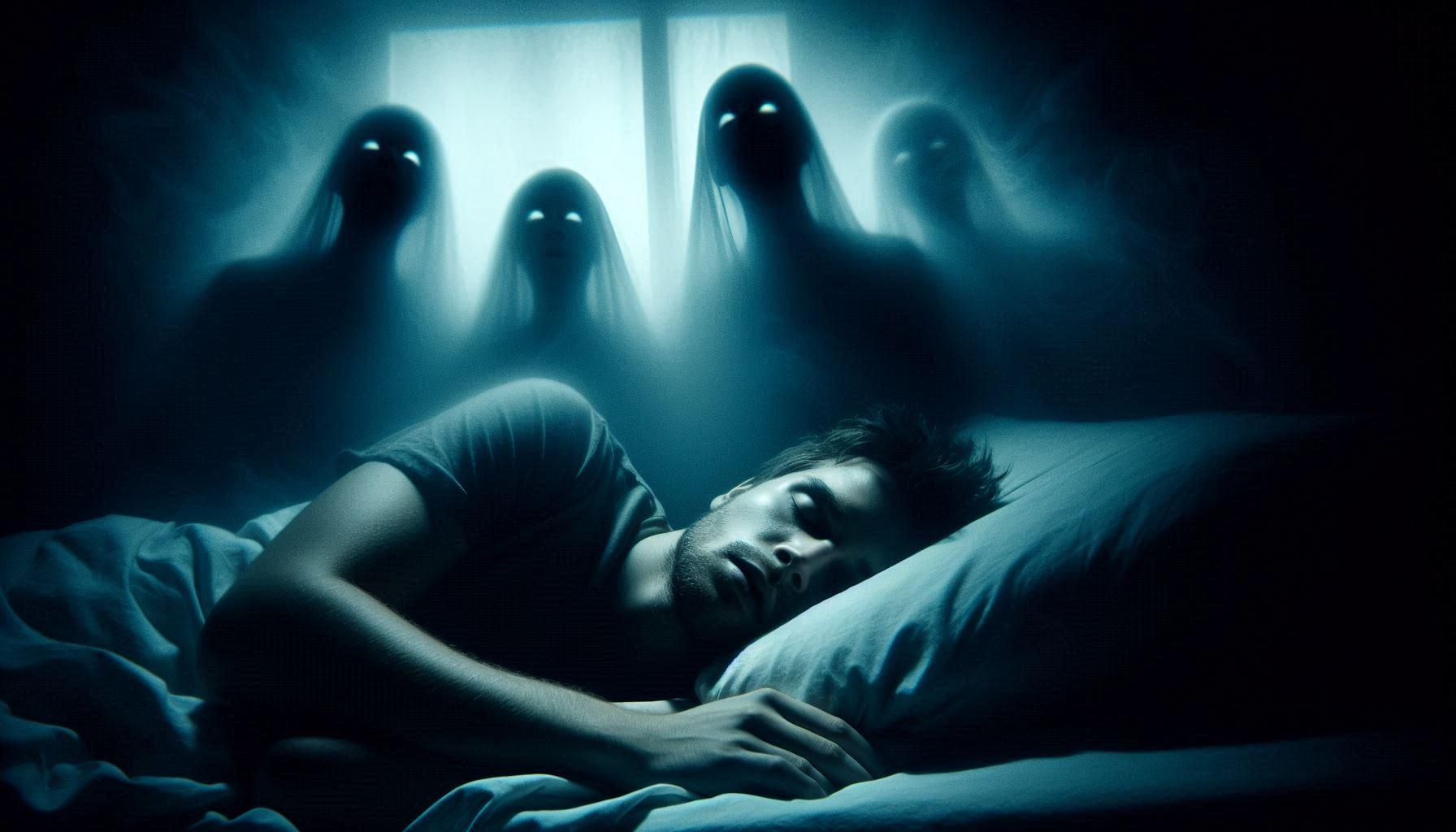
Across India, elders often warn children: “Never sleep with your head to the north — you’ll be haunted in your dreams.” At first glance, this sounds like folklore. But countless people who tried it report eerily similar experiences — disturbing dreams, shadowy figures, or waking up suddenly as if someone was watching them.
In Vastu, the north is not only the direction of death but also the doorway for spirits and wandering energies. When you align your head that way, it’s said you open yourself up to their influence. This is why, during funerals, the body is always placed northward — to help the soul move on. But for the living, the same alignment may blur the line between the conscious and the unseen.
Even psychologists studying sleep paralysis note that many episodes are linked to heightened electromagnetic exposure, which can trigger hallucinations of ghostly presences. Coincidence? Or is this what ancient sages already understood in symbolic language?
Imagine waking in the night, paralyzed, with a weight pressing on your chest — science calls it a REM disorder, but tradition calls it the price of ignoring Vastu’s warning.
And yet, the most chilling mystery is still ahead — one that involves the beating of your very heart.
Mystery Number 5, The Heart Under Pressure.
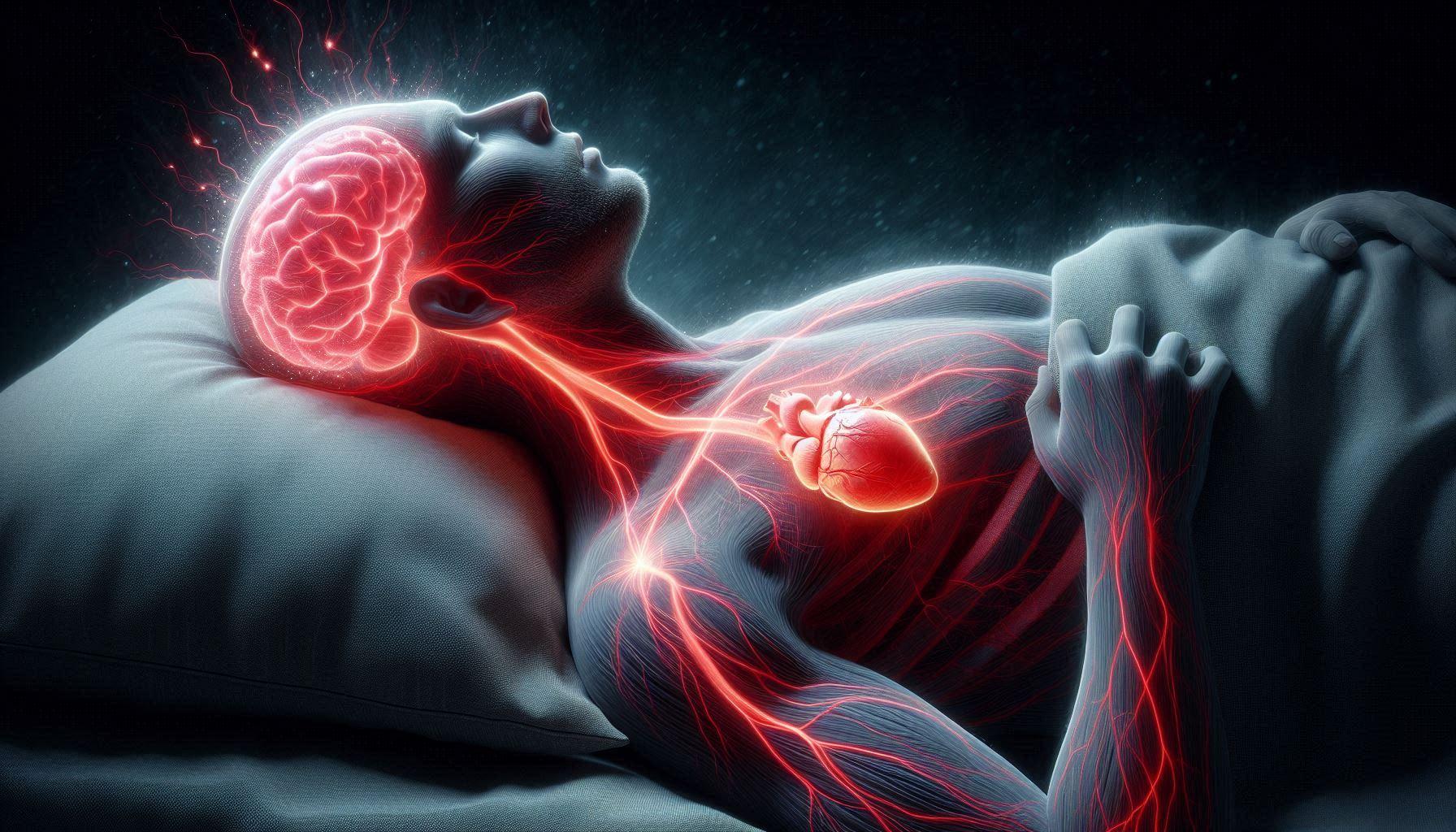
If there’s one organ that never rests, it’s your heart. Pumping tirelessly through the night, it depends on balanced circulation and calm nervous signals to keep you alive. But ancient Vastu Shastra warns that when you sleep with your head facing north, you place invisible stress on your heart.
How? The Earth’s magnetic field naturally pulls iron-rich blood upward when your head is northward, increasing pressure in the brain and disturbing circulation patterns. This forces the heart to work harder than it should during rest — the very time it’s supposed to recover. Over years, elders believed this silent strain could weaken the heart, shorten lifespan, or trigger sudden health crises.
Strangely, modern studies on geomagnetic storms reveal spikes in heart attacks and irregular heartbeats during strong magnetic disturbances. Could our nightly posture in relation to Earth’s magnetic north amplify similar risks?
Traditional healers say this is why the north is reserved for the dead — only their hearts have stopped, so circulation no longer matters. For the living, however, pointing your head north is like tempting fate, pulling your life energy against the natural current of the cosmos.
The question remains — was this ancient warning superstition, or survival wisdom encoded in sacred rules?
Final Thoughts, The Ancient Warning Lives On.
So now you know — sleeping with your head to the north isn’t just a harmless posture. From the magnetic pull of the Earth to the disturbed flow of prana, from restless dreams to heart strain, every mystery carries a chilling echo of truth.
Our ancestors didn’t have modern instruments, yet they somehow understood forces that science is only beginning to measure. Was Vastu Shastra merely about architecture, or was it a coded science of survival — protecting us from dangers we can’t see but can certainly feel?
Next time you lay your head on the pillow, remember: direction matters. East brings knowledge, south brings health, west brings dreams — but the north is reserved only for those who have departed.
So tell me — do you believe this was ancient superstition, or a hidden science lost in time? Share your thoughts below… if you dare to test the north.