
What if I told you… that the very rituals you thought were just religious—those days when your grandparents asked you to fast—might actually hold the key to reversing disease, slowing aging, and even unlocking hidden powers of the mind?
For centuries, fasting in Hinduism has been seen as an act of devotion—a way to please the gods or show discipline. But hidden beneath this spiritual surface lies a secret our ancestors knew well: fasting is not punishment, it is transformation. From Ekadashi to Navratri, every fast is aligned with cosmic rhythms, biological cycles, and psychological balance.
Modern science is only now catching up—discovering that fasting repairs cells, resets the gut, sharpens the brain, and even extends life.
So, were these ancient traditions mere rituals of faith… or were they encrypted codes of health and longevity, waiting to be rediscovered?
Mystery 1 – Why Fasting Begins with the Moon?

Have you ever wondered… why most Hindu fasts are tied to lunar days—like Ekadashi, Purnima, or Amavasya? At first glance, it seems like pure tradition. But here’s where the mystery begins.
Our ancestors noticed something profound: the moon doesn’t just control tides, it subtly influences every drop of water on Earth—including the water inside our bodies. Since nearly 70% of the human body is water, the waxing and waning of the moon impacts digestion, mood, and even energy levels. Modern science now confirms this—studies show that circadian and circalunar rhythms affect gut microbiota, hormone release, and sleep cycles.
By aligning fasting days with specific lunar phases, ancient Hindus tapped into natural biological cycles. For example, fasting on Ekadashi (the 11th day of the lunar fortnight) is not random—on this day, gravitational and metabolic shifts make the body more efficient at detoxifying. That’s why devotees often report feeling lighter, calmer, and more focused after such fasts.
What seems like a religious ritual was, in fact, a sophisticated bio-hack. A way to reset the body and mind by syncing with the cosmos itself.
So, was fasting a prayer… or a science experiment hidden in plain sight?
Mystery 2 – The Gut Reset Hidden in Ekadashi.
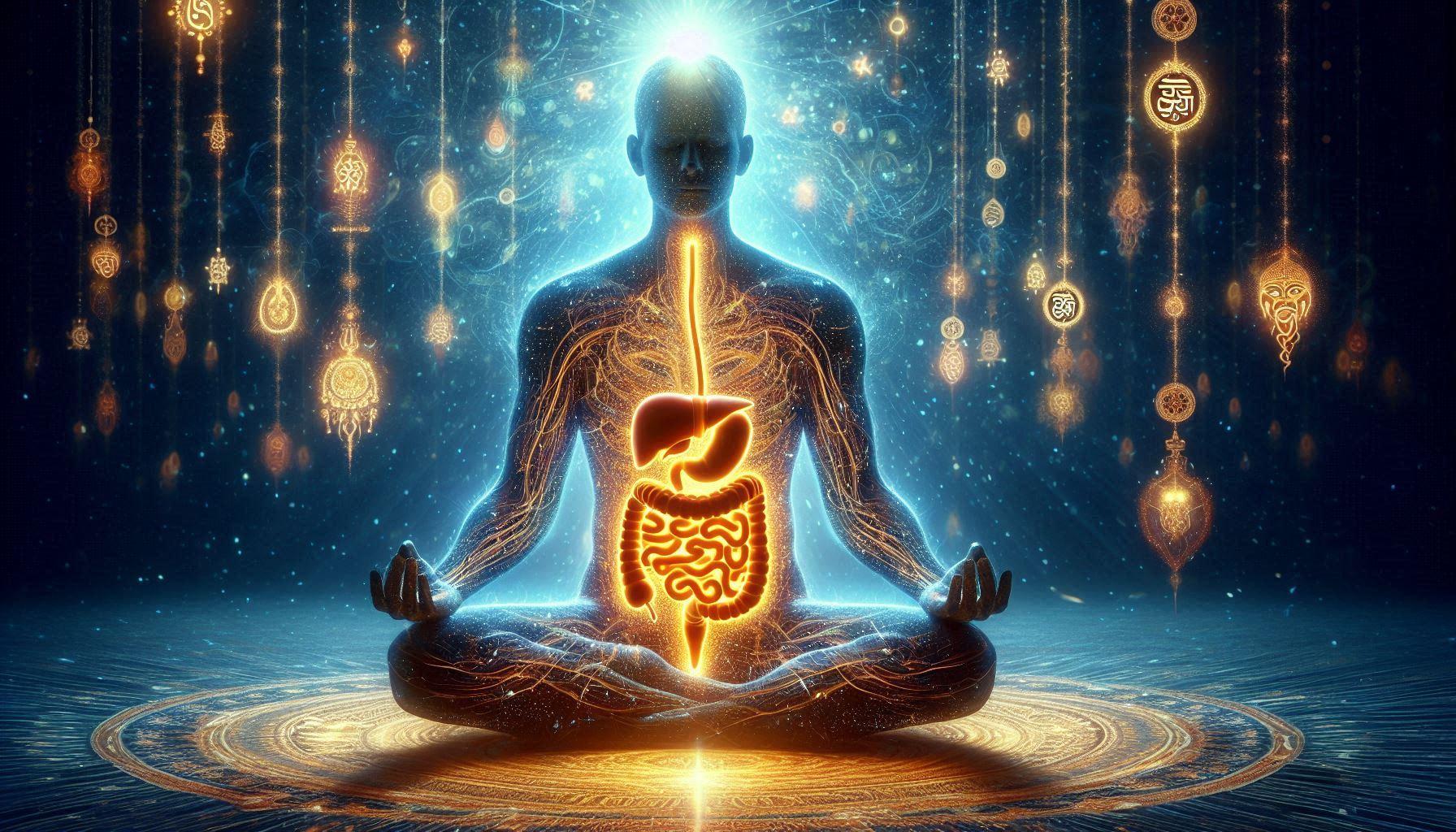
When people think of fasting, they often imagine suffering, weakness, or simply skipping meals. But what if I told you… fasting was never about starving—it was about resetting one of the most powerful systems in your body: your gut.
Ancient Hindu texts emphasize Ekadashi fasting as a way to cleanse both body and mind. But modern science now reveals something astonishing—when you give your digestive system a break, your gut bacteria undergo a renewal. Studies show that short-term fasting increases microbial diversity, strengthens the intestinal lining, and reduces inflammation—the very foundation of long life and disease prevention.
Even more mysterious—devotees describe heightened clarity, sharper memory, and calmness on fasting days. Today, neuroscientists explain this as the effect of ketosis and increased production of BDNF (Brain-Derived Neurotrophic Factor)—a compound that boosts brain health during fasting.
It’s as if our sages knew, thousands of years ago, that the gut and brain were deeply connected. Fasting wasn’t punishment—it was a master key to longevity, emotional balance, and spiritual focus.
So ask yourself: were these rituals truly religious… or an ancient blueprint for biohacking the human body?
Mystery 3 – Why Fasting Often Comes with Fruits and Milk.
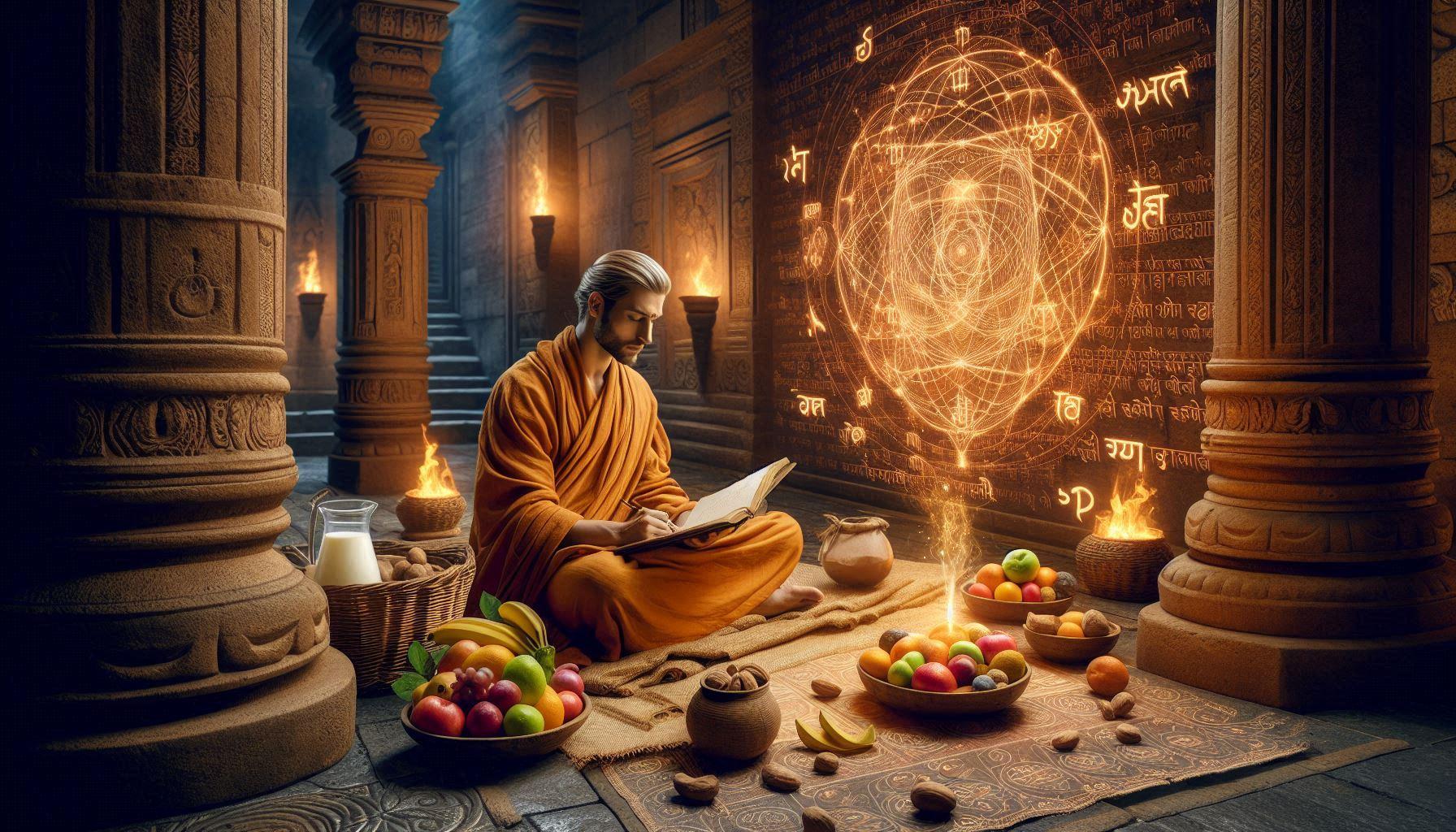
If fasting was simply about not eating, why do Hindu traditions often allow fruits, milk, or nuts during these sacred days? Why not complete starvation? The answer hides a brilliant balance between survival and science.
In Ayurveda, fruits and milk are called “sattvic” foods—pure, light, and energy-giving. Modern nutritionists now confirm what sages intuited: these foods keep blood sugar stable, prevent muscle breakdown, and provide antioxidants that repair cells during fasting. Fruits like bananas, pomegranates, or berries are rich in electrolytes and fiber, while milk supplies protein and healthy fats—fueling the body gently without overloading the gut.
Even more fascinating, these sattvic foods reduce cravings and make longer fasts sustainable. They activate autophagy—the body’s natural recycling system where damaged cells are cleared out, slowing down aging. That’s why people who follow such fasts often report glowing skin, improved digestion, and sharper focus.
So the mystery unravels—Hindu fasting was never about self-torture. It was about creating the perfect environment for cellular repair, mental clarity, and spiritual connection. A balance of restraint and nourishment.
Could it be that what we now call “intermittent fasting with clean eating” was already encoded in rituals thousands of years ago?
Mystery 4 – The Fasting Fire That Heals the Body.
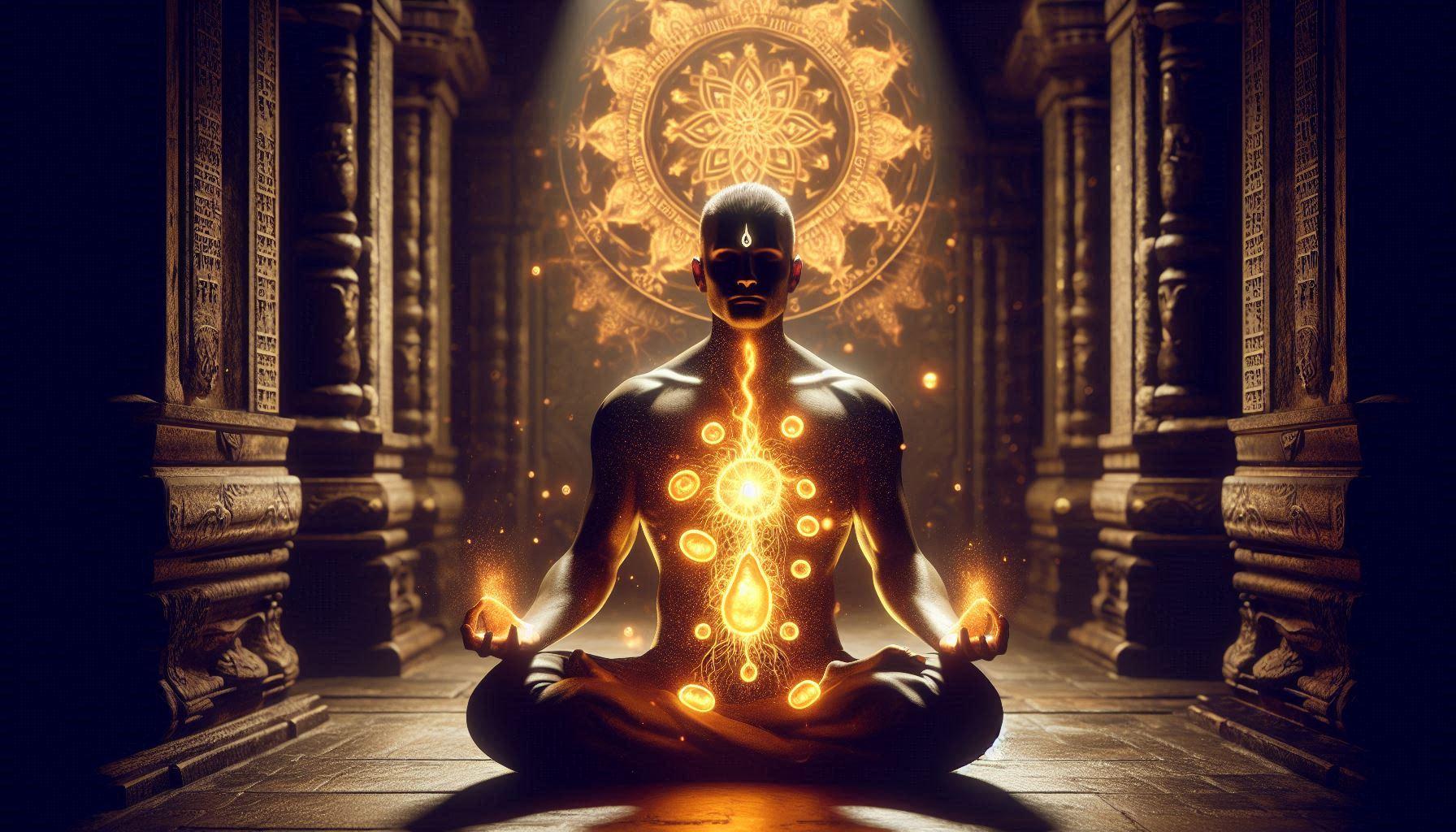
In Hindu philosophy, there is a concept called “Agni”—the inner fire of digestion. It is said that when Agni is strong, health flourishes, but when it weakens, disease takes root. At first, this sounds like poetic symbolism. But science now reveals something striking—our metabolism is literally a fire fueled by enzymes and mitochondria.
During fasting, when no new food enters, this “fire” doesn’t extinguish—it turns inward. The body begins breaking down stored fat, removing toxins, and repairing damaged tissues. This is the process modern biology calls autophagy—a Nobel Prize-winning discovery proving that fasting triggers cellular self-cleaning.
Ancient Hindus described this as the sacred fire burning impurities within us. That’s why fasting was often linked to purification rituals before festivals or spiritual practices. Devotees would cleanse the body so that the mind could focus on prayer, meditation, and higher states of awareness.
Even today, doctors note that controlled fasting reduces risk of diabetes, heart disease, and even cancer—exactly what Ayurveda hinted at centuries ago.
So, when scriptures spoke of feeding the “inner Agni,” were they speaking in metaphors… or were they pointing to one of the most powerful healing mechanisms hidden inside every human being?
Mystery 5 – Fasting as a Gateway to the Mind.
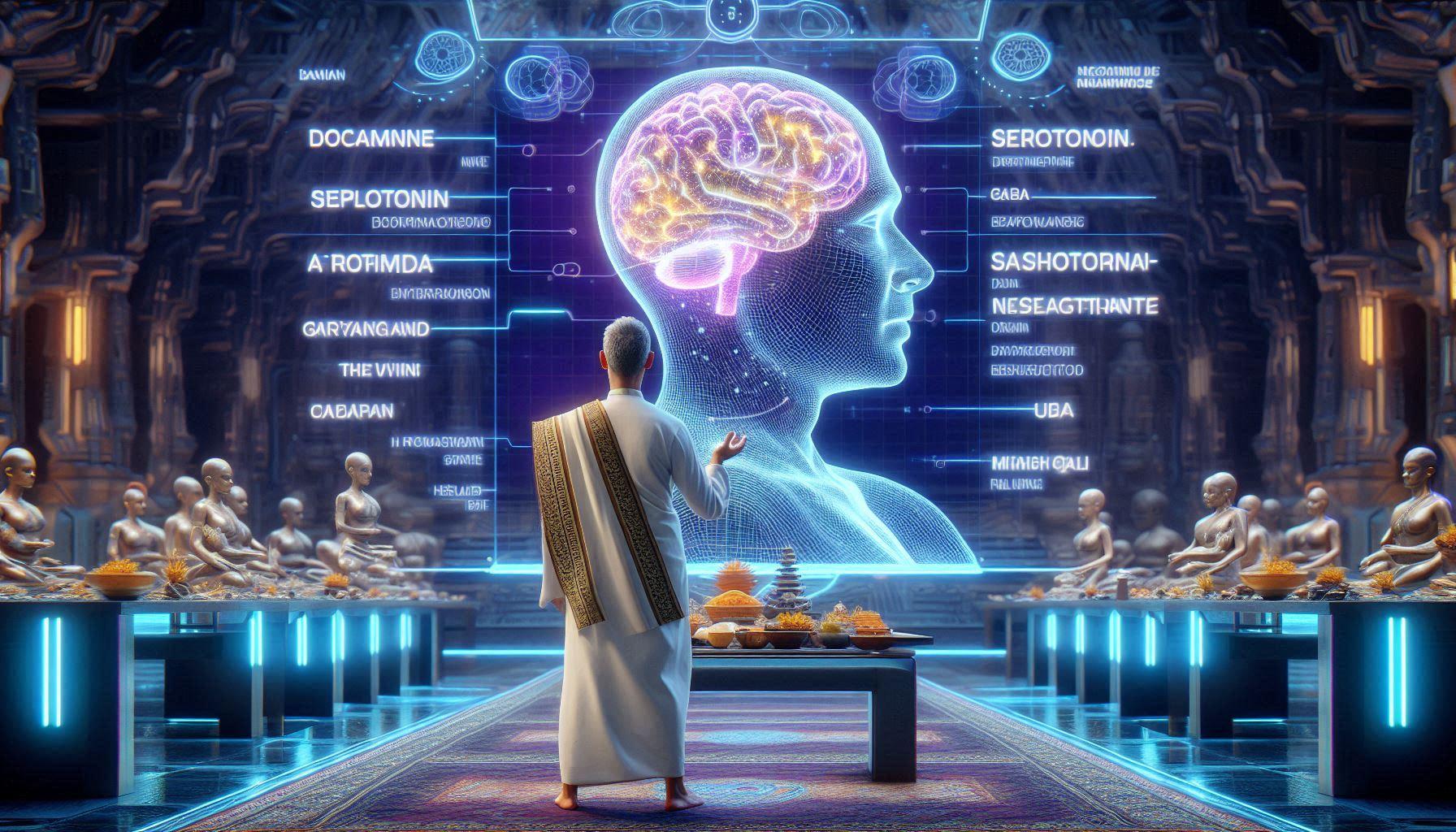
We often think of fasting as a physical act—eating less, cleansing the body. But ancient Hindu wisdom hints at something far deeper: fasting was also a tool to control the mind.
When the stomach is empty, the senses quiet down. The constant noise of cravings—sugar, salt, taste—slowly fades away. Yogis believed this silence allowed the mind to turn inward, making meditation sharper and prayers more powerful. Today, neuroscience supports this claim. Fasting increases the release of dopamine and serotonin, the “feel-good” chemicals, while also boosting GABA, a neurotransmitter that calms the brain. This creates a state of heightened focus and inner peace—the very conditions needed for spiritual practice.
That’s why so many Hindu fasts are linked with festivals, pilgrimages, or meditation rituals. The body is first purified, then the mind is sharpened, and finally, the spirit is lifted. It was never just about skipping food—it was about breaking free from dependency, even for a day, and realizing that true strength lies beyond the physical.
So the real mystery remains: was fasting designed only for health and longevity… or was it a secret doorway to higher consciousness?
Final Thoughts, The Forgotten Code of Life.

Think about it—our ancestors didn’t have modern labs, microscopes, or genetic research. Yet, they designed fasting rituals with such precision that today’s scientists are stunned by their accuracy. Every Ekadashi, every Navratri, every lunar fast was not superstition, but a finely tuned system to cleanse the body, sharpen the mind, and awaken the spirit.
But somewhere along the way, we forgot. Fasting became a burden, a ritual without meaning. We asked, “Why starve?” instead of asking, “What am I unlocking?”
Now science confirms what the sages always knew—fasting heals, fasting empowers, fasting elevates. The question is: will we reclaim this forgotten code? Or will we continue to look at our traditions as old stories, never realizing they are blueprints for the future of human health?
So tell me… the next time a festival fast arrives, will you see it as restriction—or as liberation?
The Hidden Science of Fasting: FAQs
Why are Hindu fasts connected to the moon?
Why are Hindu fasts connected to the moon?
Since the human body is about 70% water, it is influenced by lunar phases just like the tides. Fasting on specific lunar days like Ekadashi aligns with natural biological rhythms to improve digestion and energy.
What is the scientific benefit of fasting on Ekadashi?
What is the scientific benefit of fasting on Ekadashi?
Fasting on Ekadashi gives the digestive system a break, leading to a "gut reset." It promotes microbial diversity, reduces inflammation, and triggers autophagy—the body’s cellular cleaning process.
Why are fruits and milk allowed during some fasts?
Why are fruits and milk allowed during some fasts?
Fruits and milk are considered "sattvic" foods in Ayurveda. They provide essential electrolytes, healthy fats, and antioxidants that sustain energy and prevent muscle breakdown without overloading the digestive system.
What is "Agni" in the context of fasting?
What is "Agni" in the context of fasting?
Agni refers to the digestive fire or metabolism. During fasting, this fire turns inward to burn toxins and repair damaged cells through a process now known to science as autophagy.
How does fasting affect the mind and brain?
How does fasting affect the mind and brain?
Fasting increases the production of BDNF (Brain-Derived Neurotrophic Factor) and neurotransmitters like dopamine and serotonin. This leads to sharper focus, improved memory, and a sense of calm.