

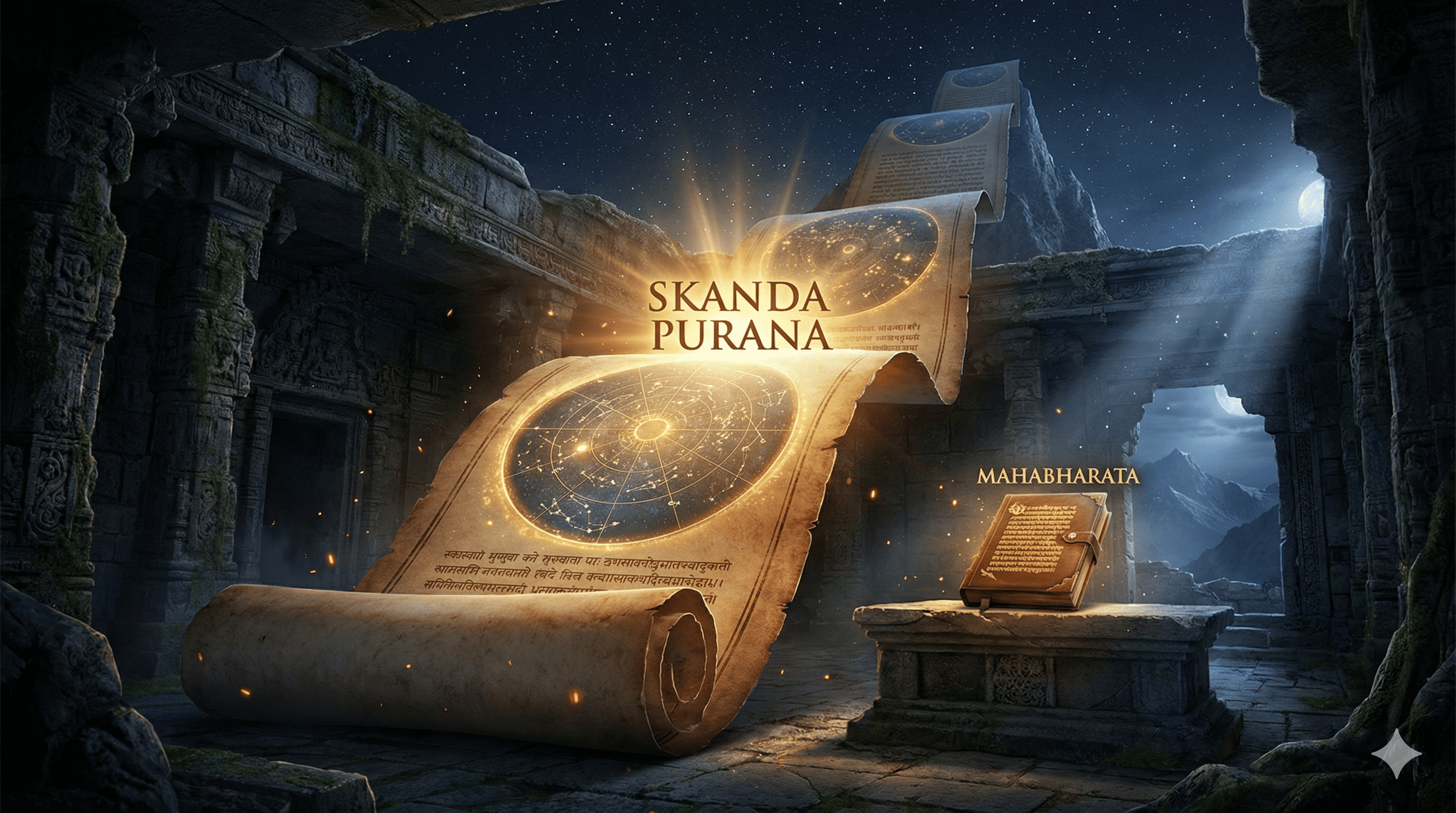
What if I told you… there exists a Hindu scripture so huge, that it is seven times bigger than the Mahabharata, and yet—most people have never read even one page of it?
A scripture that contains mystery, history, cosmology, pilgrimages, curses, blessings, the rise of Lord Kartikeya, and even predictions that sound strangely modern.
That scripture… is Skanda Purana.
The Skanda Purana is the largest Purana in Hinduism— around 81,000 verses. But here's the twist: Even though it's named after Lord Skanda, the main theme is actually Shiva and the sacred places connected to him.
Imagine a giant travel guide of ancient India… mixed with spiritual secrets… mixed with cosmic stories… mixed with powerful moral lessons.
That is Skanda Purana.
1. The Origin of the Skanda Purana
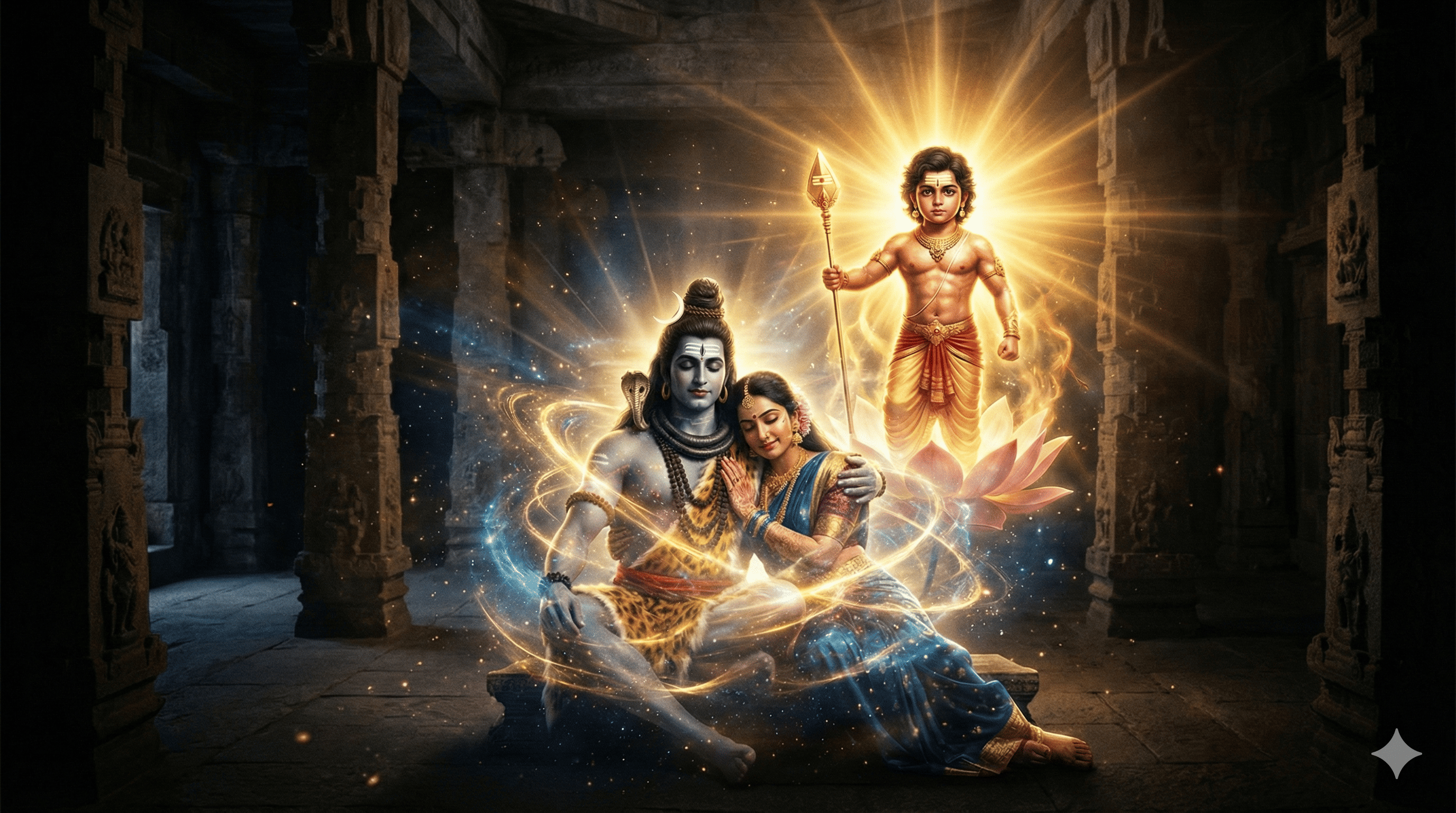
The story opens with Suta Maharshi, the wise storyteller. He tells the sages about a time when even the gods were troubled.
A powerful demon named Tarakasura had received a boon that only the son of Lord Shiva could defeat him.
But Shiva was in meditation for thousands of years… and the universe needed a warrior.
So the gods went to Mata Parvati, and they encouraged her to win the heart of Shiva.
This becomes one of the most emotional chapters: Parvati's tapasya—thousands of years of meditation, standing on one foot, surviving only on air, all to bring Shiva back for the good of the world.
Finally Shiva accepts her devotion. Their divine union leads to the birth of Skanda / Kartikeya, the god of war.
This marks the beginning of a new cosmic chapter.
2. Story of Lord Skanda: The Divine Commander

Kartikeya is not just a warrior. He is discipline. He is courage. He is leadership.
Skanda Purana describes his childhood with a cinematic touch— his speed, intelligence, and sharp focus are beyond anything the world had seen.
His training scenes read like an ancient superhero story.
When Tarakasura threatens the heavens, Skanda, just a young boy, takes command of the celestial armies.
The Purana describes the war in detail:
- flaming arrows
- thunderous weapons
- mountains cracking
- oceans shaking
And finally, Skanda defeats Tarakasura, restoring balance to the universe.
This moment is symbolic: When ego becomes too powerful, only discipline can defeat it.
3. The Real Treasure of Skanda Purana: Tirtha Mahatmya
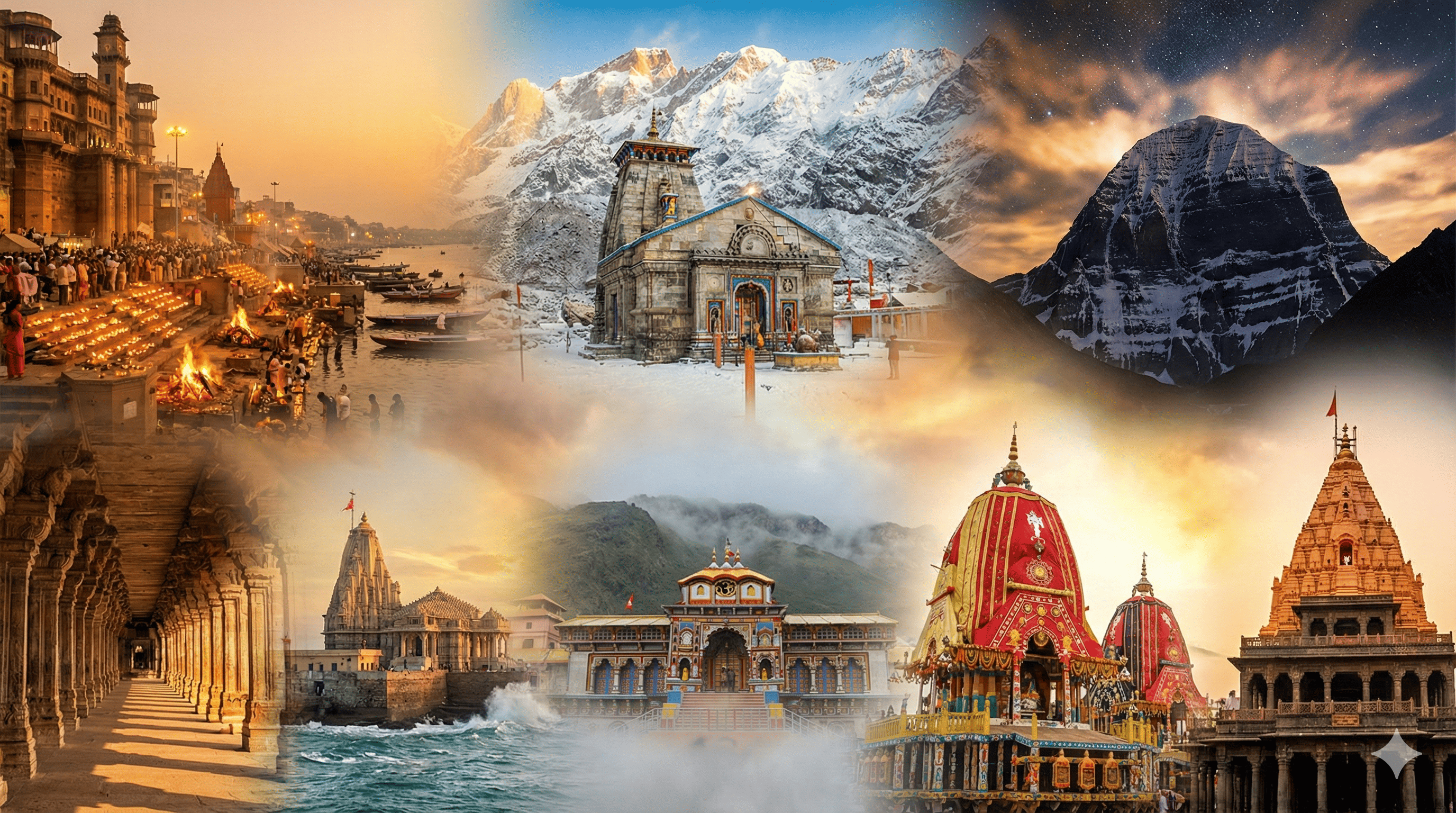
Here's the surprise: Almost 60% of the Skanda Purana is not about battles or gods. It is about sacred places— the power of visiting them, their hidden stories, and how they help humans evolve spiritually.
It talks about:
- Kashi
- Kedarnath
- Rameshwaram
- Dwarka
- Badrinath
- Puri
- Ujjain
- Kailash
- and hundreds of other places
But it doesn't stop at temples. It describes mountains, forests, rivers, caves— and why certain locations hold divine energy.
In simple words: Skanda Purana is like the original Google Maps of Indian spirituality.
One line repeated again and again: "Just by remembering these places, one receives blessings."
4. Surprising Elements (The "WOW" Moments)
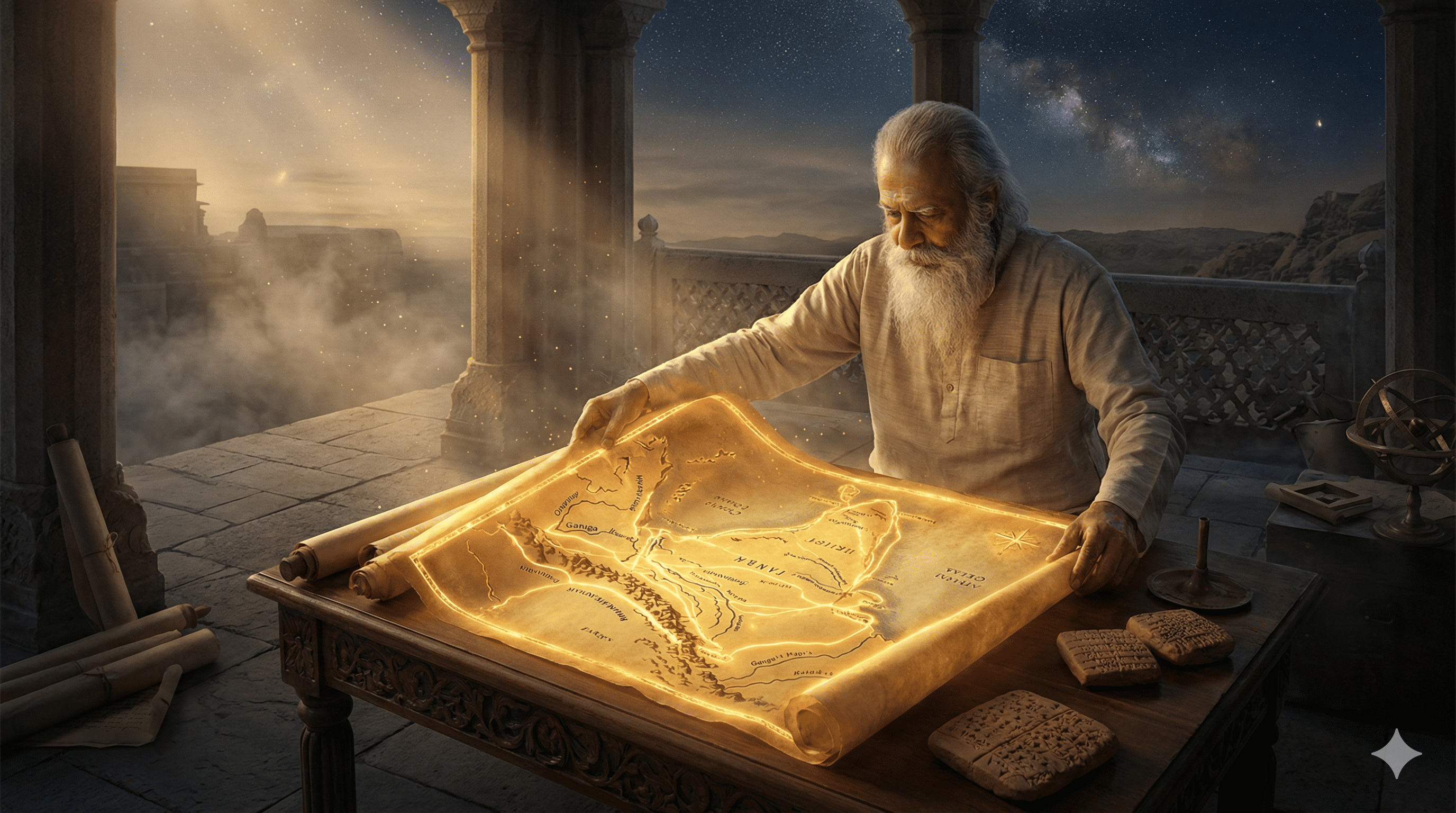
Now here are some unexpected, mind-blowing things people don't know about Skanda Purana.
1. It mentions the geography of India with huge accuracy
Rivers, mountain ranges, directions— all described thousands of years ago with almost scientific precision.
2. It speaks about environmental protection
The Purana says: "He who cuts trees unnecessarily loses his fortune."
Planting trees gives spiritual merit. Clean rivers are equal to clean consciousness.
Thousands of years before "climate change," Skanda Purana gave this warning.
3. It mentions karma recycling
Actions never disappear. They return— in the form of situations, experiences, victories, losses.
Today's psychology calls this "behavioral patterns." Ancient India called it karma.
4. The Purana describes cosmic time cycles
Yugas, manvantaras, kalpas— the idea that time moves in repeating cycles similar to modern astrophysics claims about oscillating universes.
5. Hidden stories about Shiva and Parvati
Like the story where Parvati becomes Annapurna to teach Shiva the value of food.
Or the story of Kashi where Shiva promises it will never be destroyed, not even at the end of time.
These stories bring emotional depth and connect humans to divine compassion.
5. The Human Lessons Inside the Purana
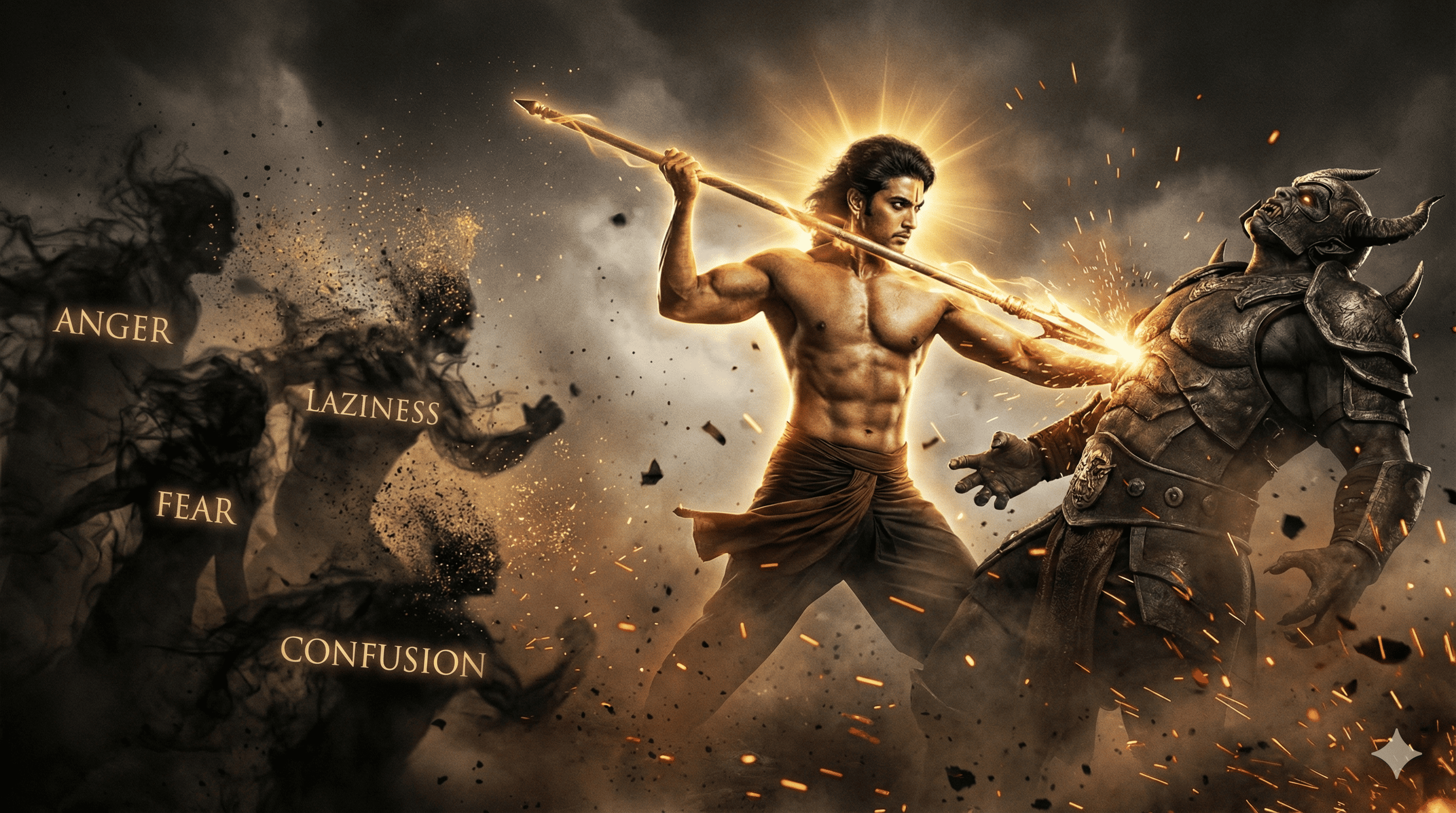
Skanda Purana is not just mythology. It is a guide for life.
Lesson 1 — Importance of Self-Discipline
If Skanda could destroy a demon who terrorised the universe, we can destroy our inner demons— laziness, confusion, anger, fear.
Lesson 2 — Devotion Transforms the Impossible
Parvati's tapasya teaches one thing: When intention is pure, the universe opens doors that once seemed locked.
Lesson 3 — Knowledge + Action = Liberation
The Purana says simply worshipping is not enough. Living dharma is what creates freedom.
Lesson 4 — Never underestimate sacred places
Whether you believe in energy or not, pilgrimage changes people. It resets the mind. It cleans the heart. It makes you feel small before the vastness of creation.
Lesson 5 — Ego leads to destruction
Tarakasura's rise and fall is a reminder: Ego may give temporary power, but it guarantees permanent downfall.
6. The Purana is Also a Time Capsule of India
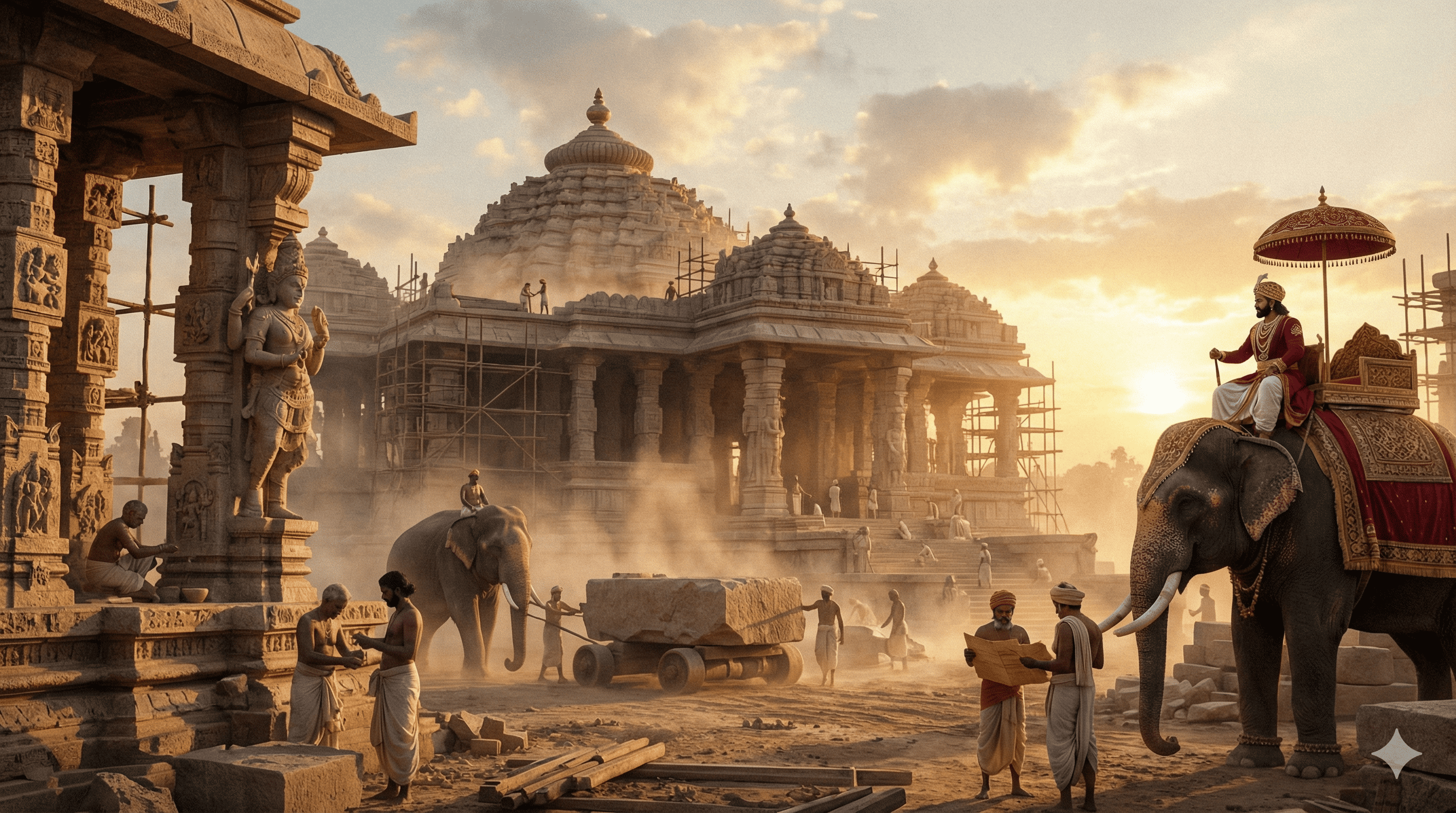
The Skanda Purana preserves how ancient India looked, how people lived, what they believed, how kingdoms were formed, and how temples were built.
It describes:
- architecture
- festivals
- social behaviour
- marriage customs
- charity
- ethics
- daily routines
- meditation techniques
It is literally a snapshot of civilization thousands of years old.
If someone asks, "What was life like in ancient Bharat?" Skanda Purana is one of the answers.
7. A Small Story That Touches the Heart
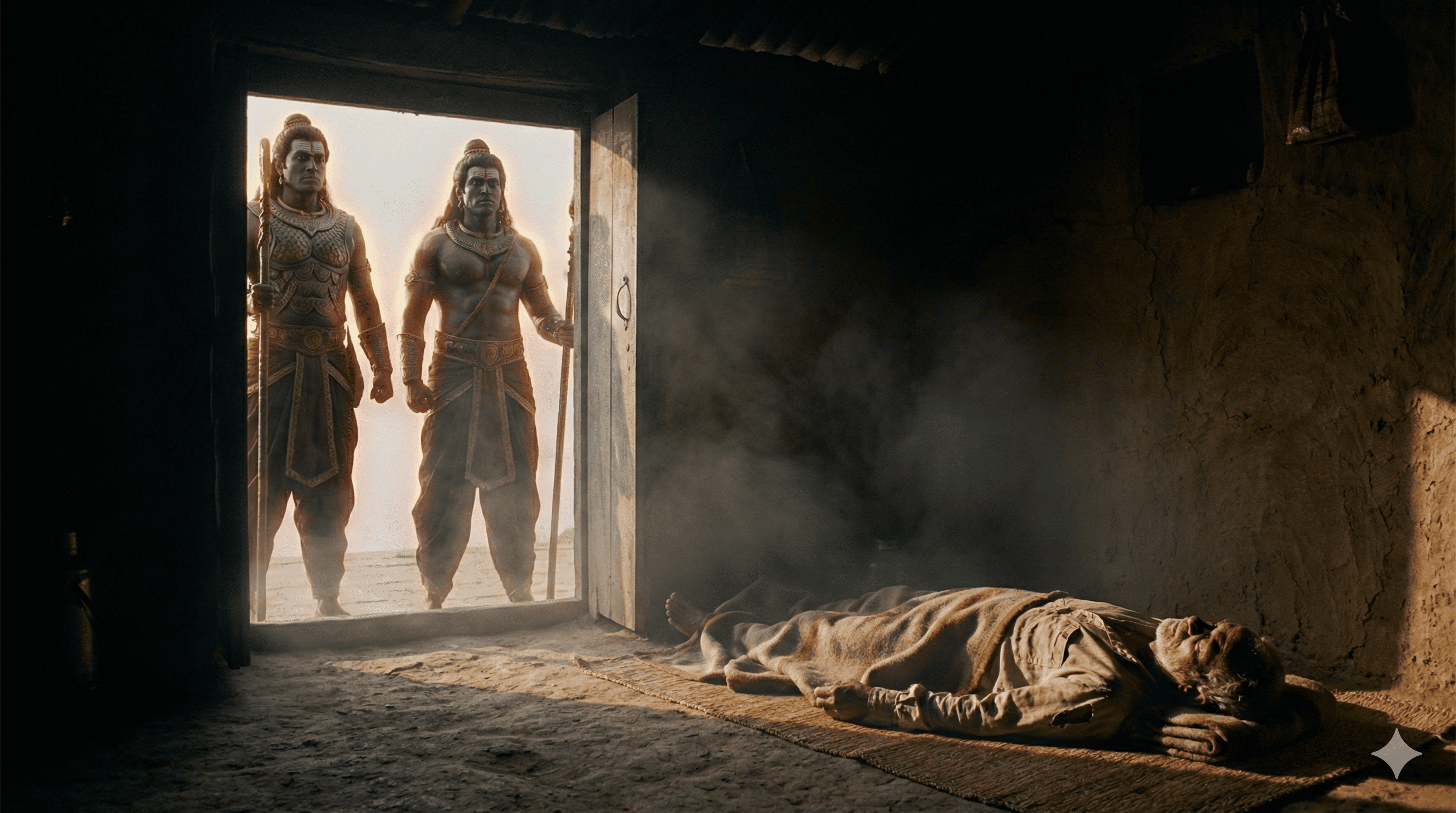
One of the emotional stories is about a poor man who lived near Kashi. He had nothing— no wealth, no knowledge, not even proper food.
But every morning, he would simply take the name of Shiva with a clean heart.
One day he died, and the messengers of Yama came to take him.
But suddenly, Shiva appeared and said: "This man remembered me every day. He belongs to me."
This moment shows a core message of the Purana: Bhakti is more powerful than background or wealth.
This story often brings tears to people— because it reminds us that divine love is never complicated.
8. Why the Skanda Purana Still Matters Today
You may ask, "Why should we care about a scripture this old?"
The answer is simple: The problems of humans have not changed.
We still fight ego. We still chase success. We still struggle with fear, loss, pain, confusion.
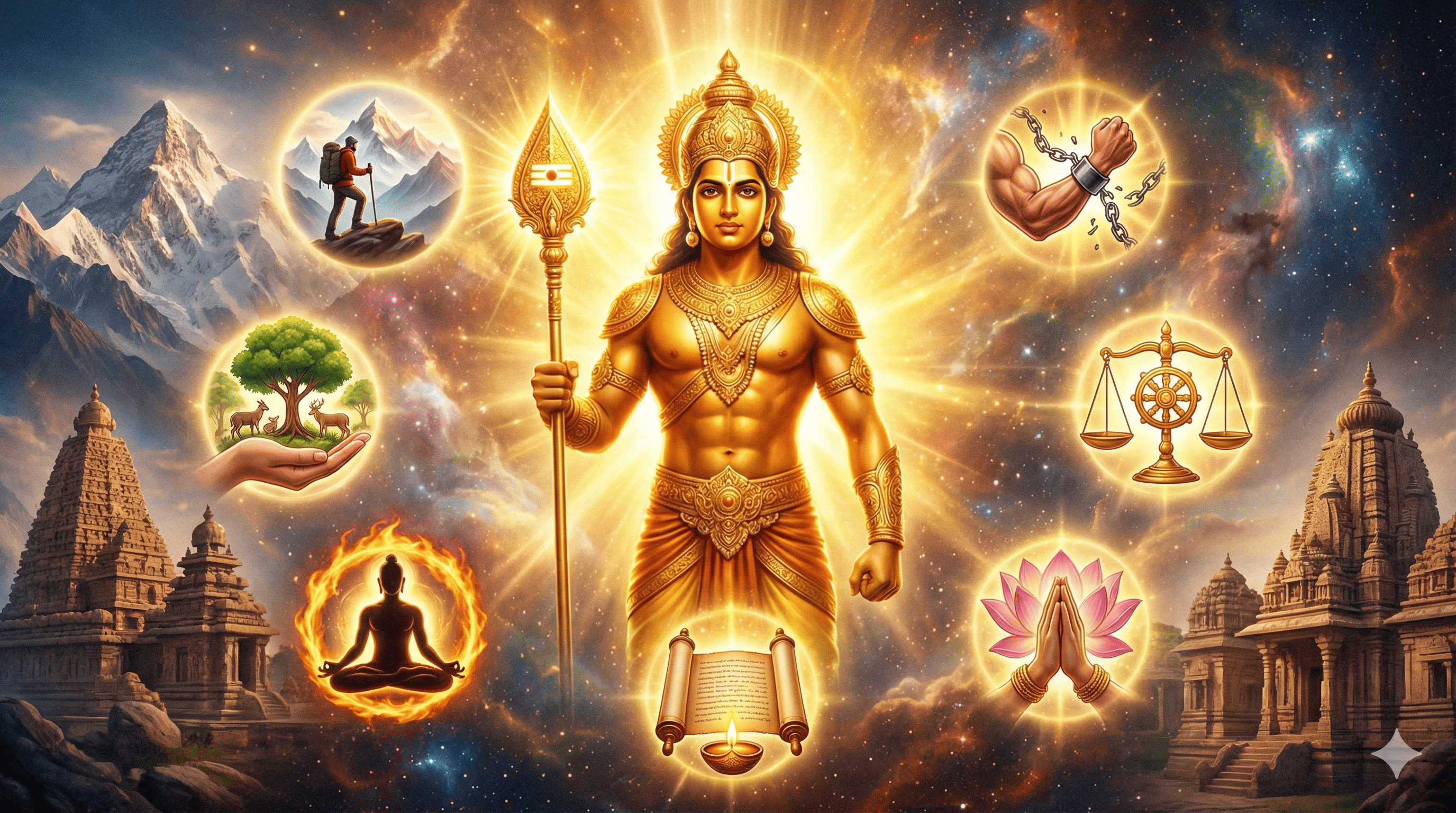
And the Skanda Purana gives solutions that are timeless:
- ✨ Travel to refresh your soul.
- ✨ Respect nature.
- ✨ Practice self-discipline.
- ✨ Build inner strength.
- ✨ Seek knowledge.
- ✨ Choose dharma over shortcuts.
- ✨ Connect with the divine through devotion.
These principles can change anyone's life.
So now you know… the largest Purana in Hindu tradition is not just a book. It is a cosmic map. A spiritual travel guide. A moral compass. A collection of powerful stories that still speak to the heart.
And I want to leave you with one final question— the same question asked in the Skanda Purana itself: "If not now, when will you start your journey towards your highest self?"
Other Topics You May Like
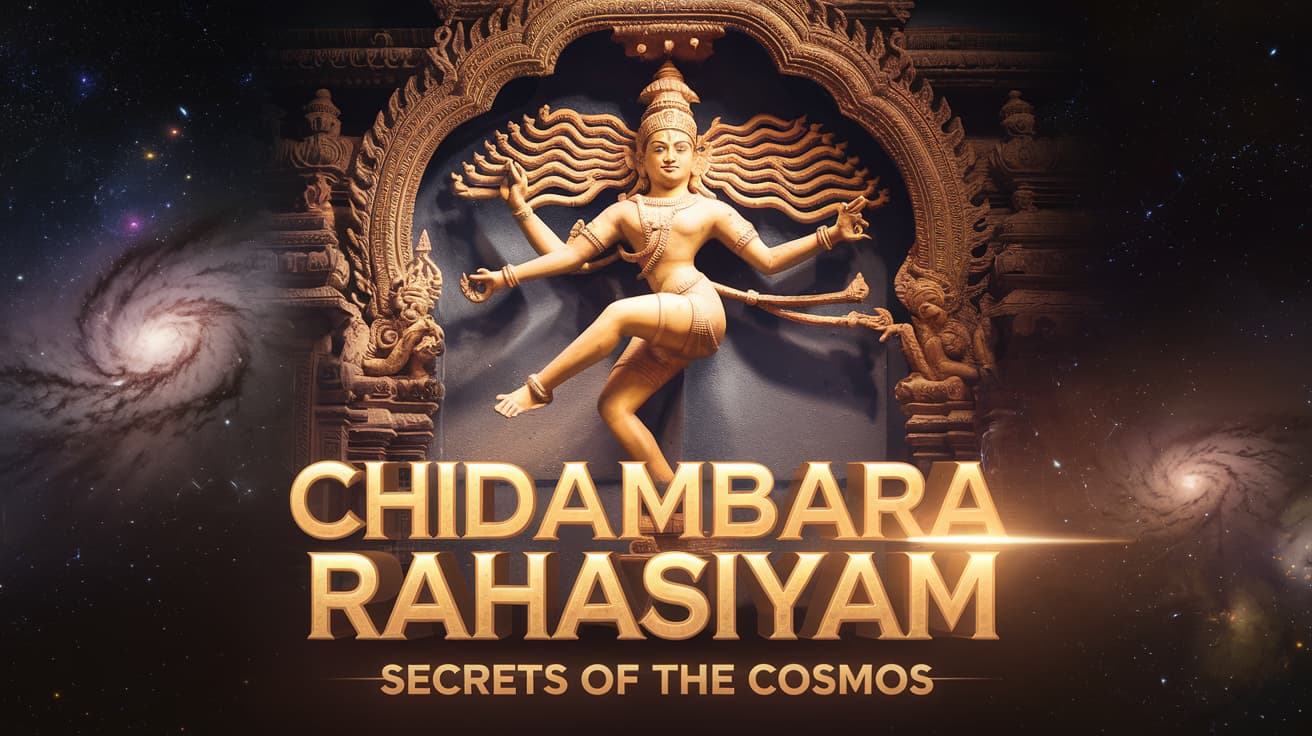
Imagine walking into a temple expecting to see a grand idol, but instead, you find an empty space. At Chidambaram, this space is not just empty; it holds infinite meaning.
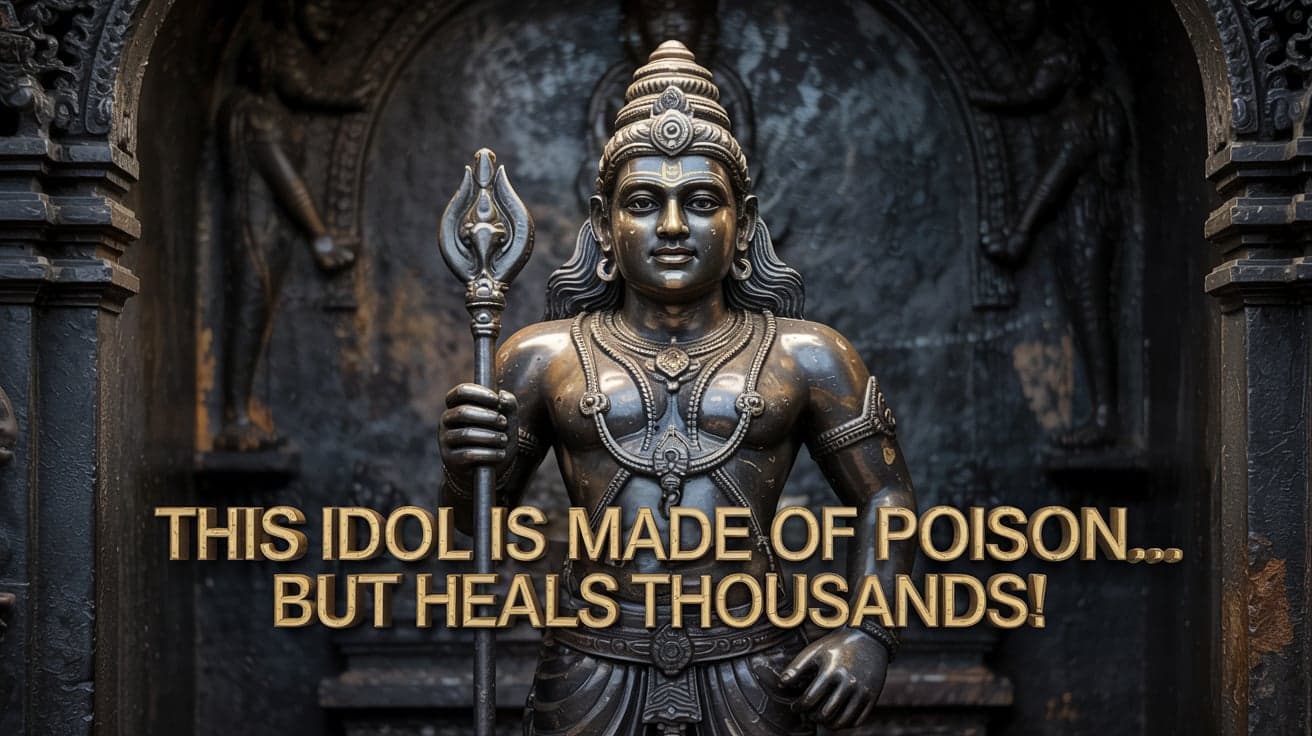
High atop the sacred hills of Palani in Tamil Nadu stands a divine mystery cloaked in devotion — the idol of Lord Murugan...
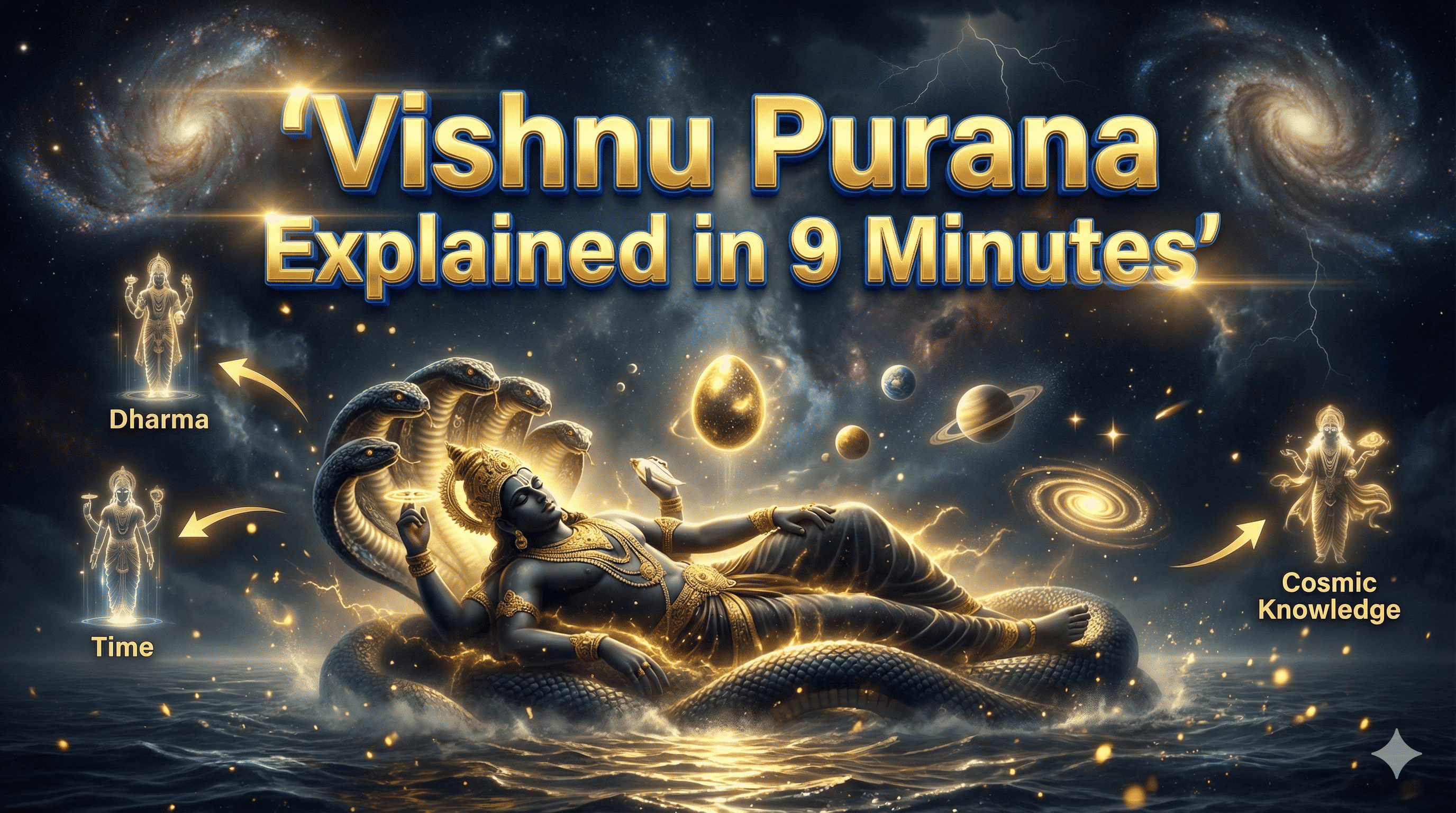
What if I tell you that one ancient Hindu book… explains how the universe was created...
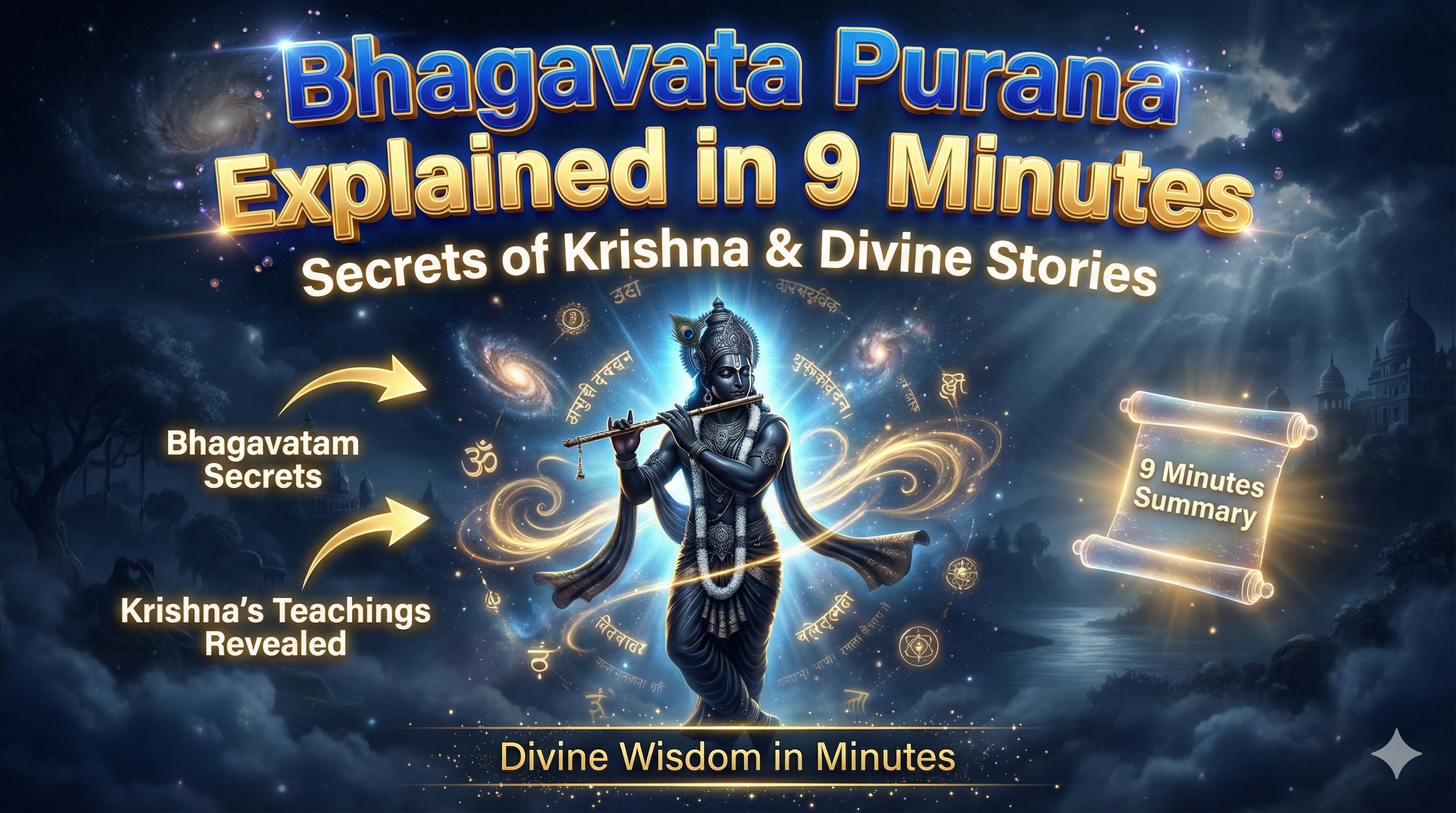
What if I tell you that one ancient Hindu book… explains how the universe was created...
What if I tell you that one ancient Hindu text explains the entire science of creation...