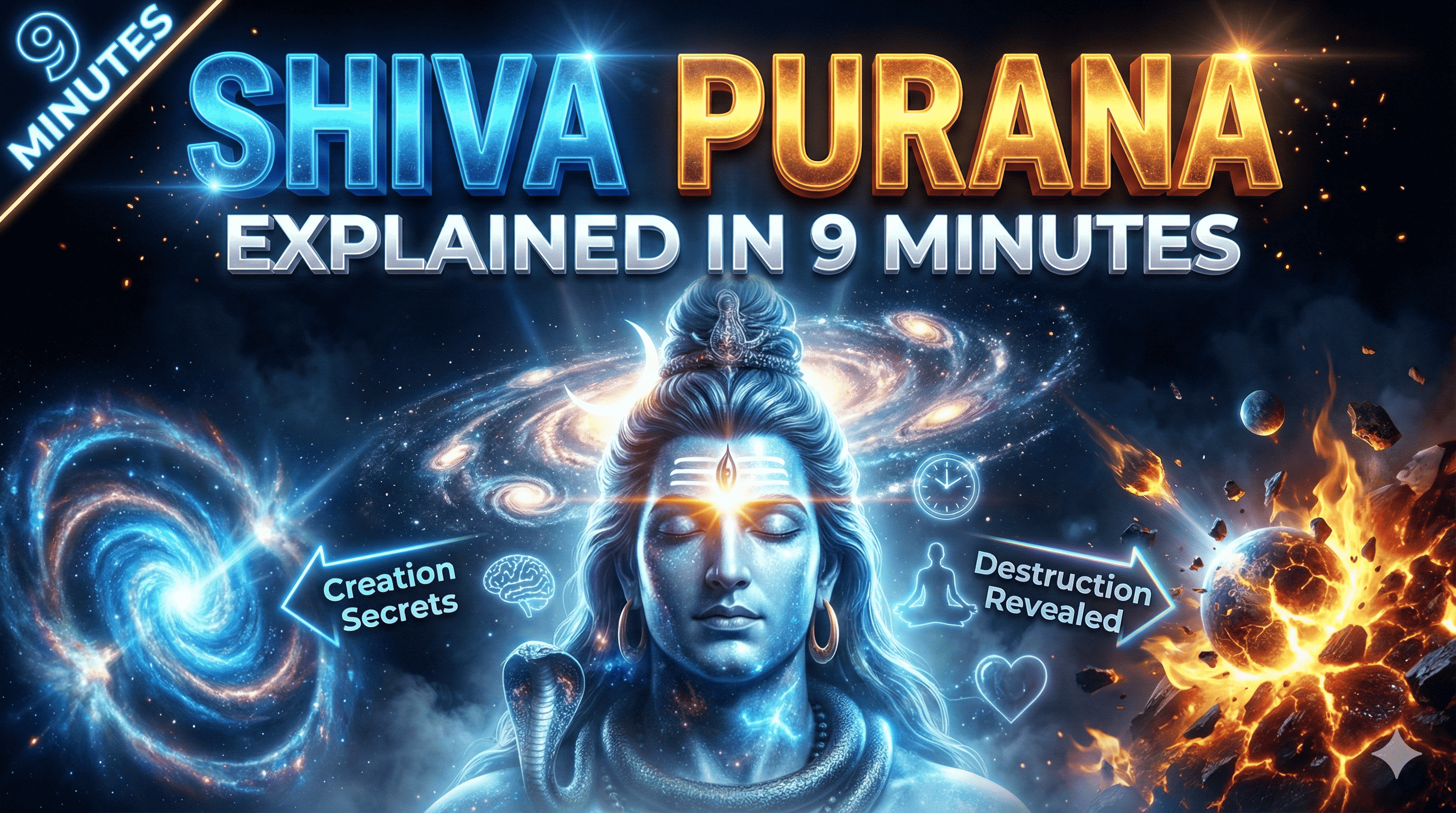
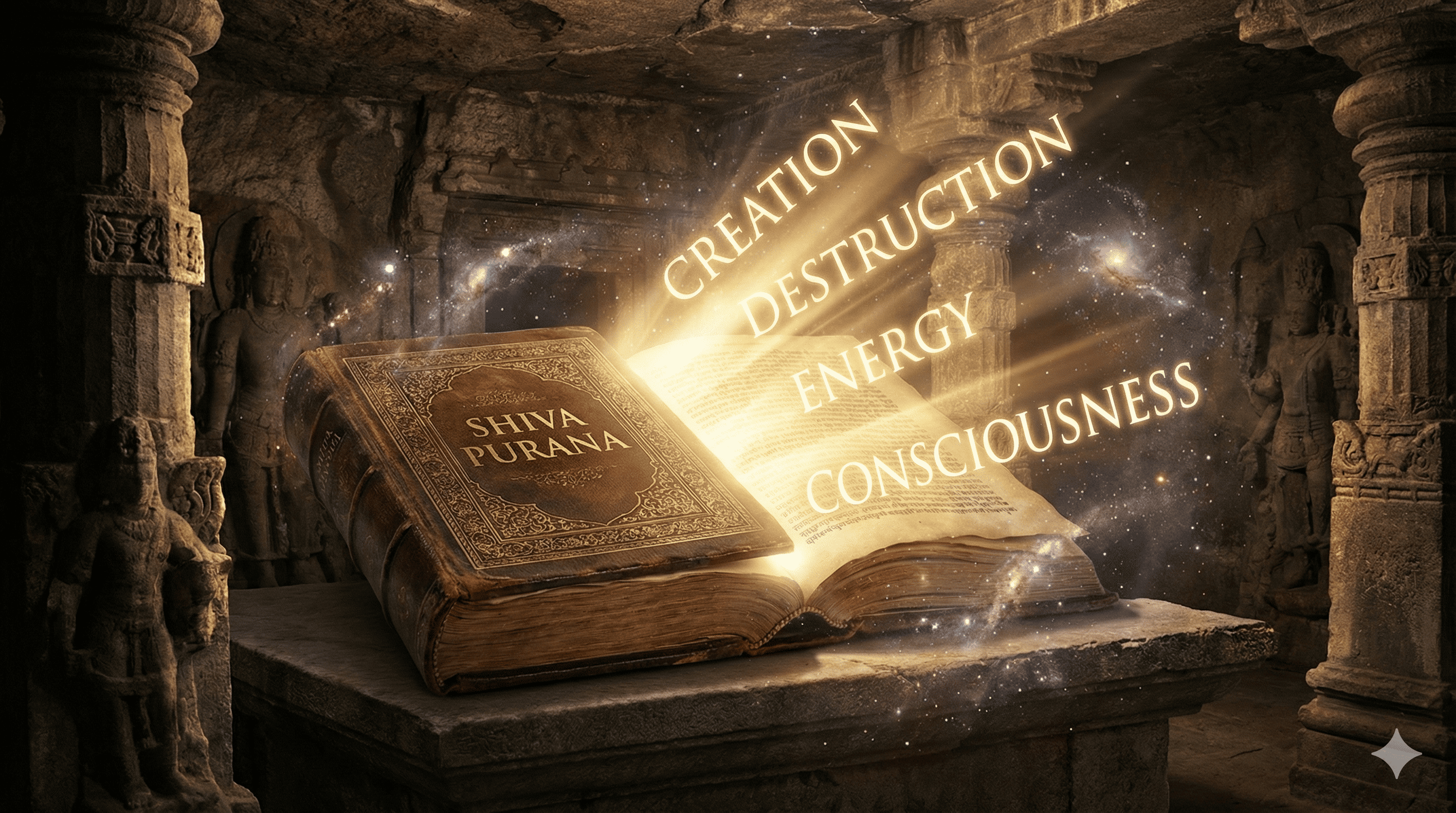
What if I tell you that one ancient Hindu text explains the entire science of creation… the power behind destruction… the truth of life, death, time, energy, and consciousness… in a way even modern scientists find shocking?
That text is Shiva Purana. And today, you will understand its core secrets in just 9 minutes.
Shiva Purana is not just a religious book. It is one of the 18 Mahapuranas, written by Sage Vyasa, and considered one of the most powerful scriptures dedicated completely to Lord Shiva.
Originally, Shiva Purana had 12 Samhitas (sections), but over thousands of years, only 7 Samhitas survive today.
These surviving sections cover:
- creation of the universe
- different forms of Shiva
- the meaning of life and death
- secrets of karma
- teachings of dharma
- the power of devotion
- and deep yogic sciences
Shiva Purana is a mixture of philosophy, cosmology, rituals, and spiritual science. It is not written like a story — it is written like a manual for understanding existence.
1. The Beginning: How the Universe Was Created
Shiva Purana begins with a powerful truth:
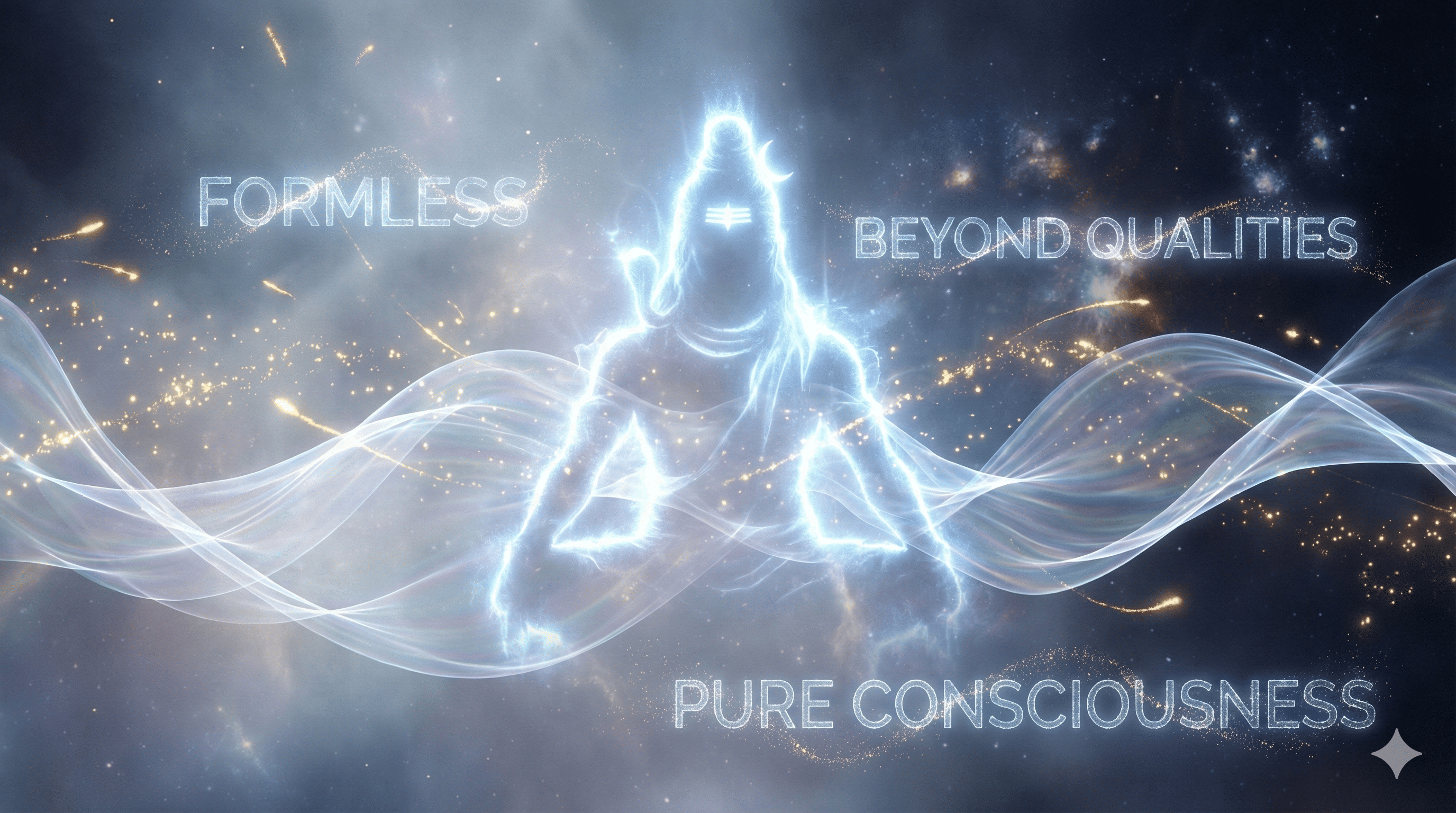
Before creation… nothing existed. No light, no time, no matter, no sound. Only Shiva — pure consciousness.
Shiva Purana calls this state:
- Nishkala Shiva – Shiva without form
- Nirguna Brahman – beyond qualities
- Shuddha Chaitanya – pure awareness
The Purana says creation begins when this silent consciousness manifests a vibration.
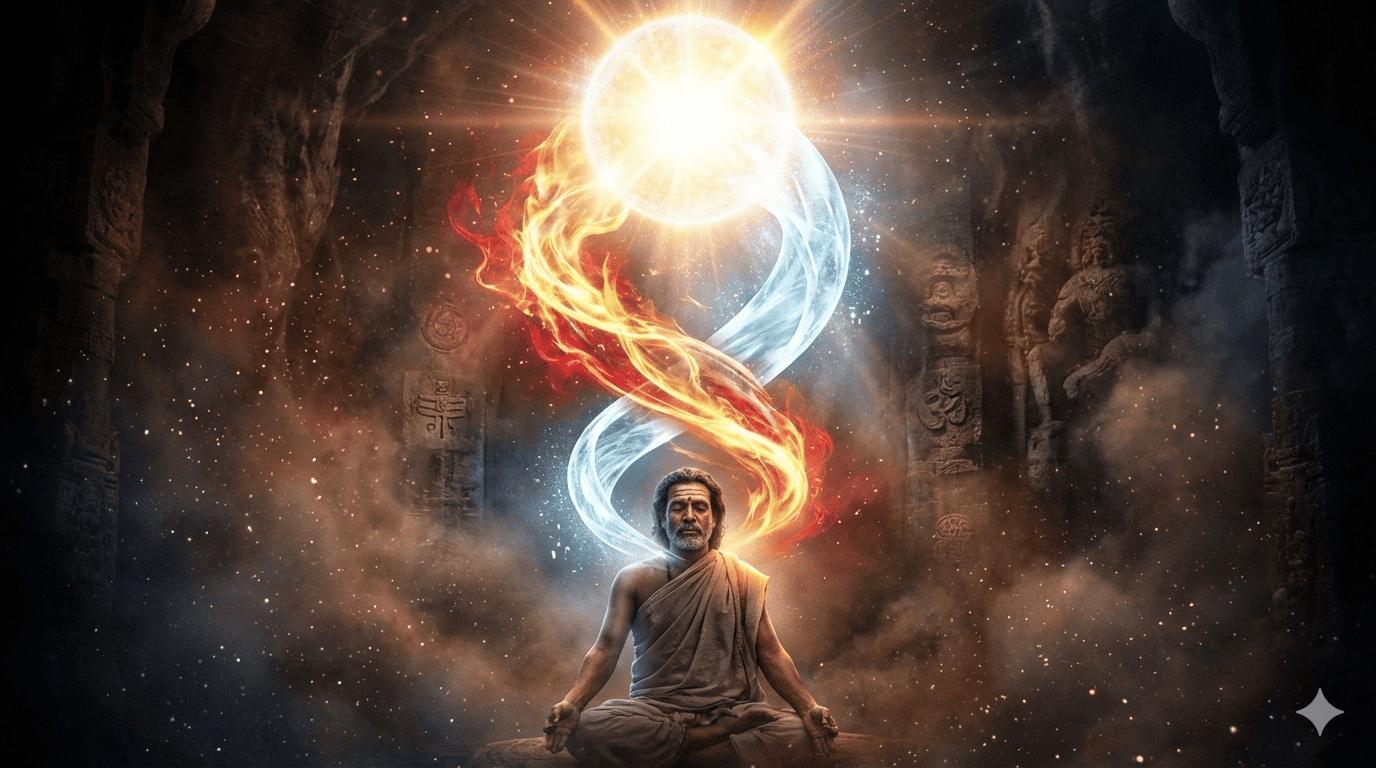
And this vibration is called NADA — the primordial sound.
It then transforms into Bindu — the point of creation.
From NADA and BINDU comes Shakti, the divine energy that begins the play of creation.
Shiva (consciousness) + Shakti (energy) = the universe.
This idea is surprisingly close to modern physics describing the universe beginning from a single point and expanding through energy.
2. The Five Cosmic Acts (The Science of Shiva)
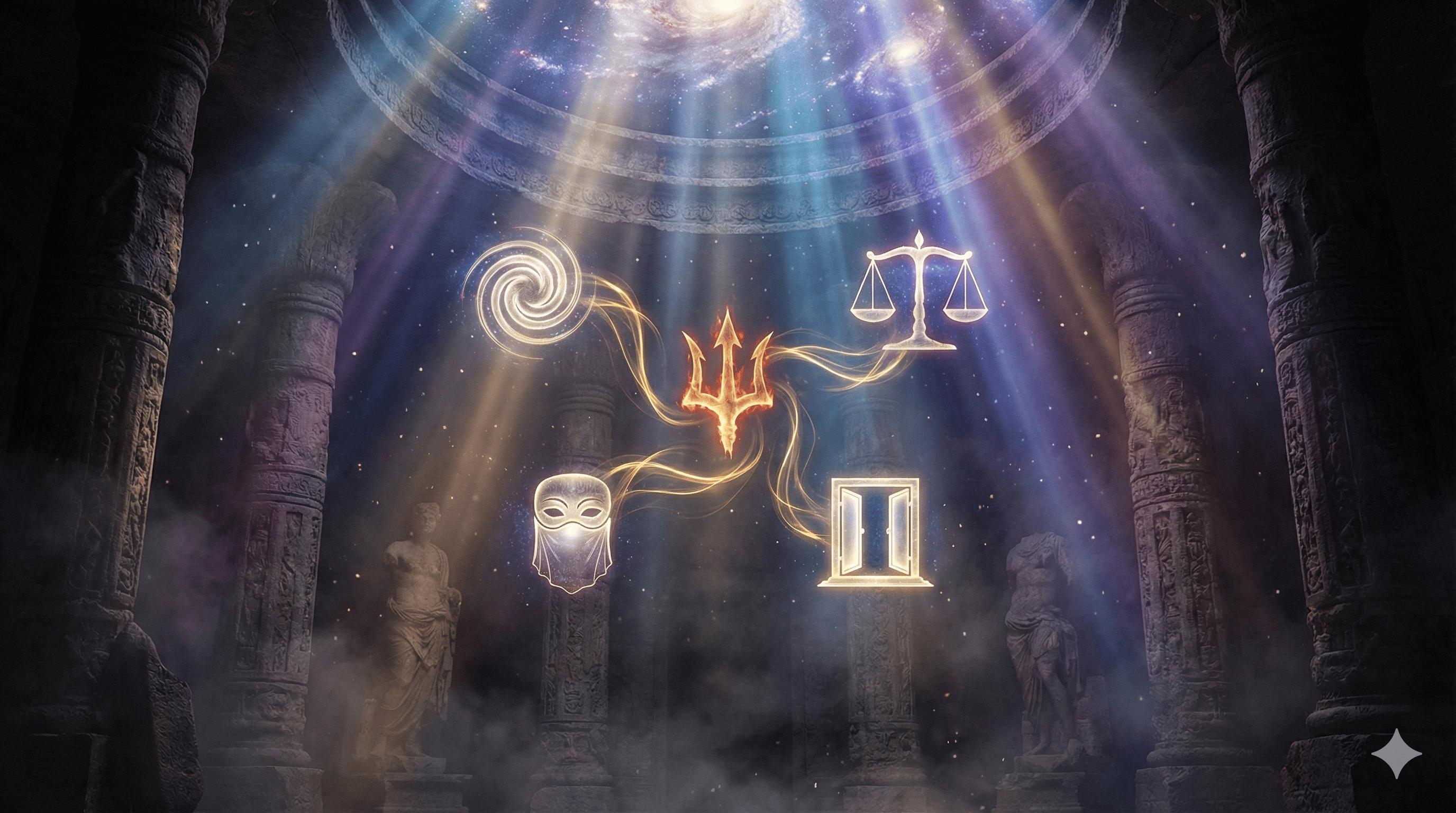
Shiva Purana explains that Shiva performs five cosmic actions, called Panchakritya:
- Srishti – Creation
- Sthiti – Maintenance
- Samhara – Destruction
- Tirobhava – Illusion/Concealment
- Anugraha – Liberation/Grace
These five actions control everything — from the formation of galaxies to the beating of your heart to the birth and death of every living being.
Shiva is not a person doing these things from somewhere. Shiva Purana says:
These five actions happen automatically through the laws of the universe.
This is why Shiva is symbolized as:
- Nataraja, the cosmic dancer
- His dance = the dance of atoms, stars, and life
- His damaru = vibration
- His fire = destruction
- His raised hand = protection
- His foot = liberation
NASA scientists once compared Nataraja's dance to subatomic particle movements — a shocking similarity.
3. The Different Forms of Shiva
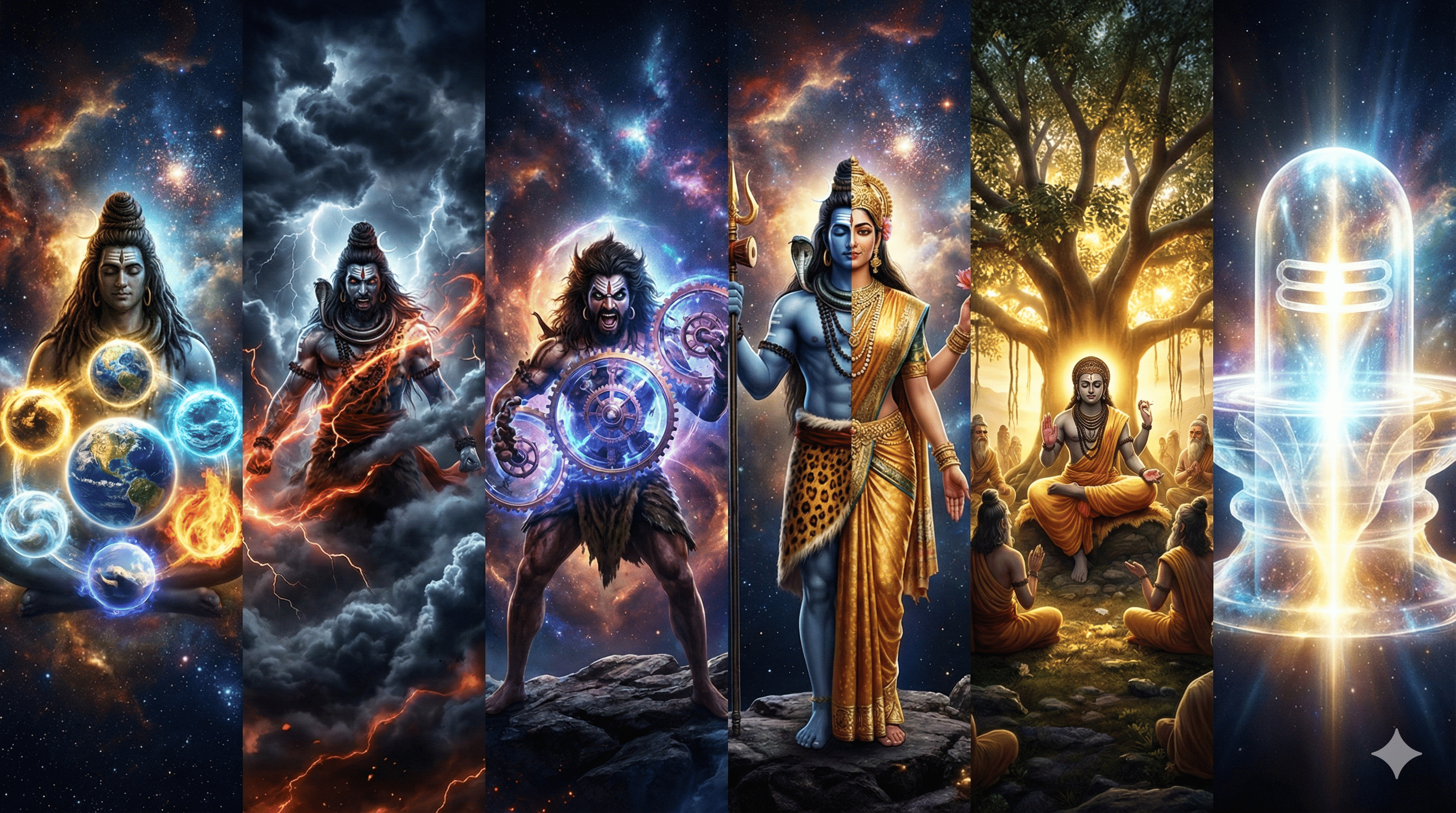
Shiva Purana explains Shiva through two major categories:
1. Nirguna Shiva — Formless, Infinite
This is the highest truth. It cannot be seen or touched. It is everywhere, like energy.
2. Saguna Shiva — With Form
These are the forms devotees worship.
Shiva Purana describes many forms, including:
- Maheshwara – the creator of the five elements
- Rudra – the god of transformation
- Bhairava – protector of time
- Ardhanarishvara – union of Shiva and Shakti
- Dakshinamurti – the silent teacher
- Linga – the cosmic pillar of light
Among these, Shiva Linga is the most important.
Shiva Purana explains the Linga not as a stone, but as a symbol of the infinite universe — the formless source of everything.
"Linga means that which has no end."
Modern cosmology uses a similar idea: the universe has no top or bottom — it is infinite.
4. The Story of Shiva Linga: The Pillar of Light
Shiva Purana narrates one of its most famous events:
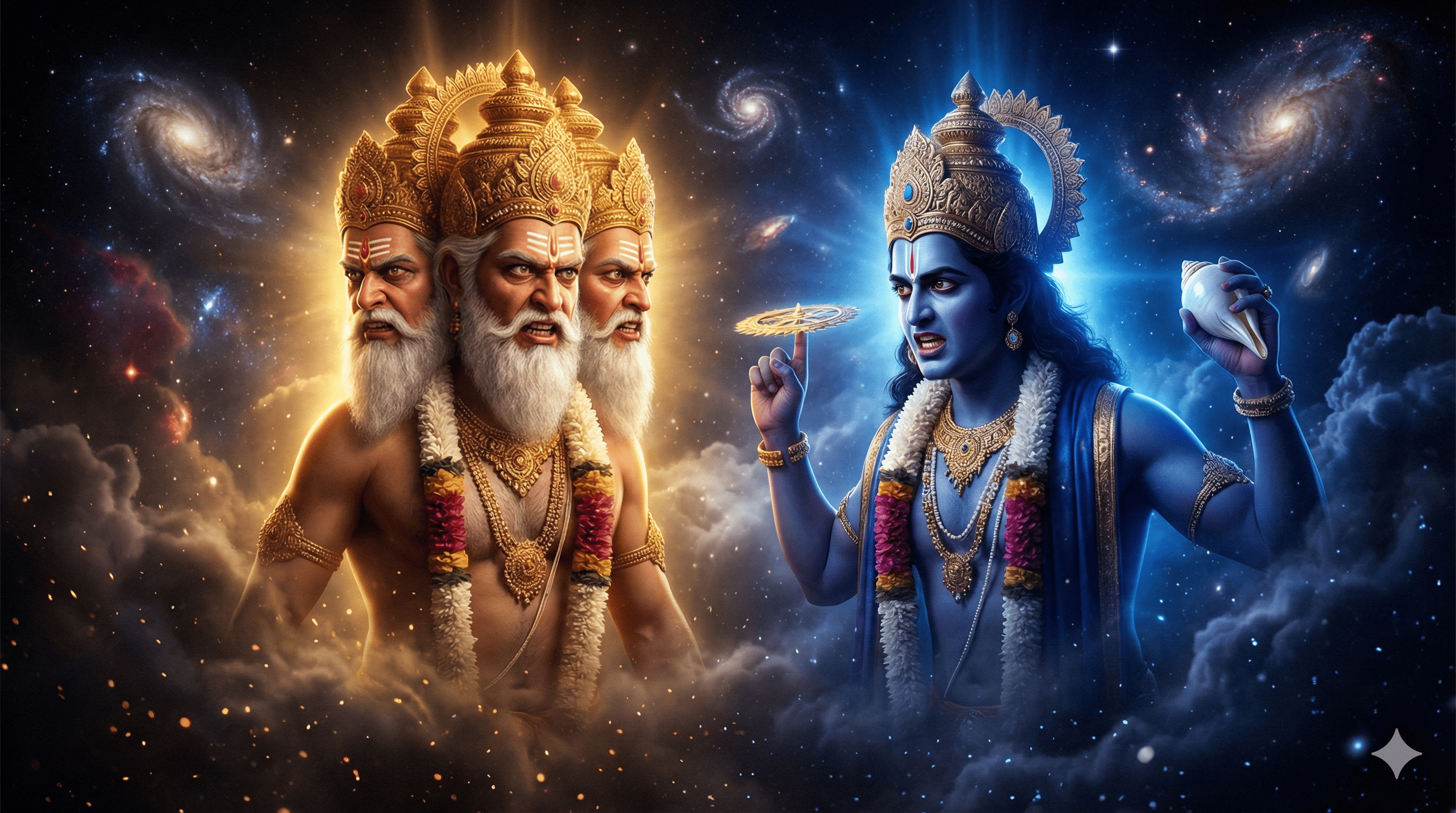
Brahma and Vishnu argued about who is supreme. To settle the debate, a massive pillar of light appeared — the Jyotirlinga.
It had no beginning, no end. Neither Brahma nor Vishnu could find the start or finish.
Therefore, they understood:
Shiva is the infinite reality beyond all limits.
This is why the 12 Jyotirlinga temples in India are considered the highest Shiva temples.
Each Jyotirlinga represents a different energy of Shiva — Somnath, Kedarnath, Kashi Vishwanath, Rameshwaram, Tryambakeshwar, and others.
5. The Secret of Shakti

Shiva Purana devotes a large section to explaining that Shiva cannot function without Shakti.
Shiva = consciousness | Shakti = energy
Without Shakti, Shiva is silent. With Shakti, creation begins.
This is why temples often have both Shiva and Parvati.
The Purana describes many forms of Shakti:
- Durga – strength
- Parvati – purity
- Kali – transformation
- Gauri – compassion
The union of Shiva and Shakti is not a physical event but a cosmic balance between stillness and activity.
6. The World and Its Levels
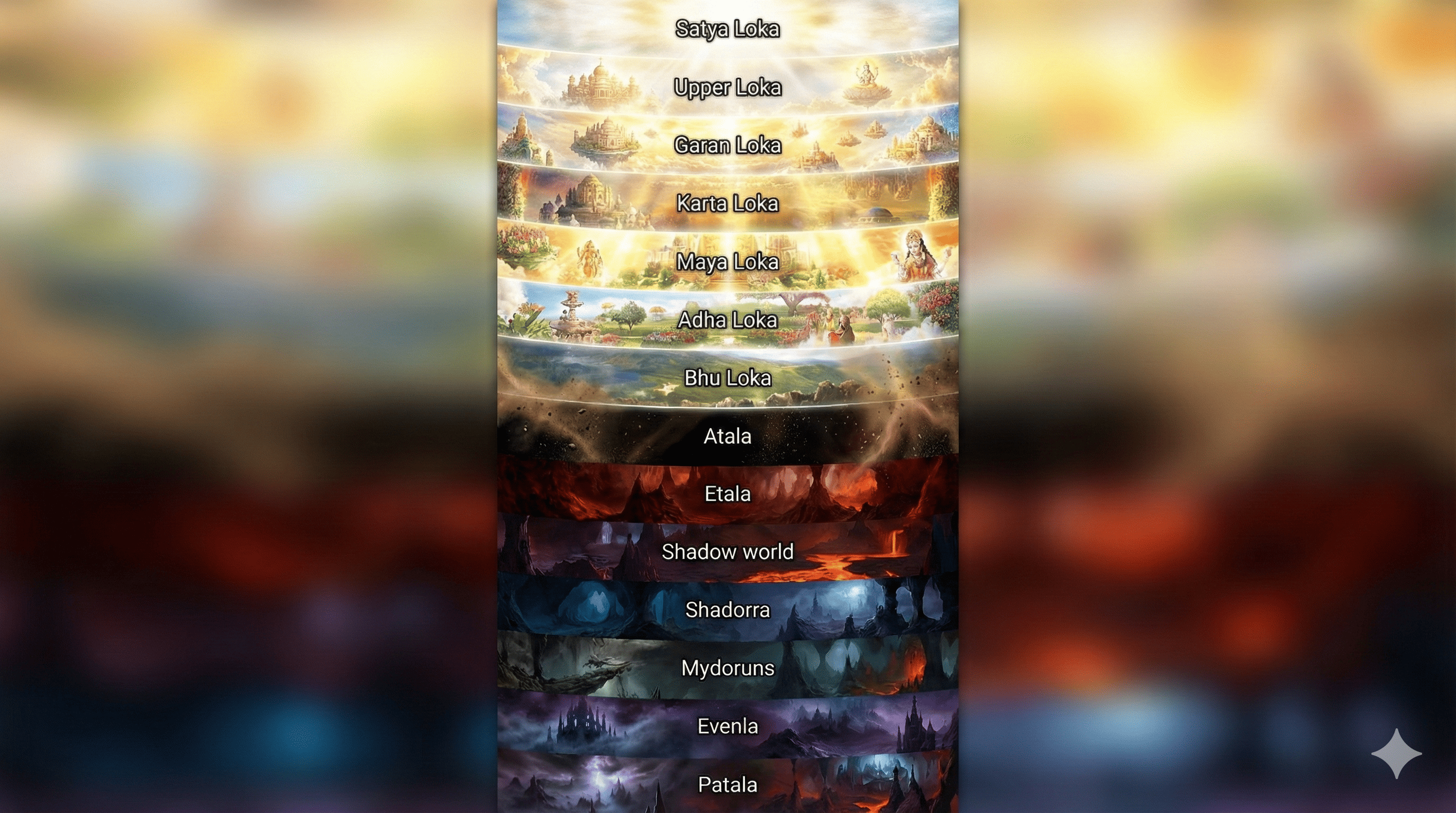
Shiva Purana explains the structure of the universe in a way similar to modern multiverse theories.
It mentions:
- 14 Lokas (7 upper, 7 lower)
- different worlds for humans, devas, ancestors, and subtle beings
- cycles of time called Yugas
- cycles of creation called Kalpas
One Kalpa equals billions of years — very close to the scientific age of the universe.
Shiva Purana even explains that worlds appear and disappear in cycles — similar to cyclic cosmology models today.
7. The Path of Yoga
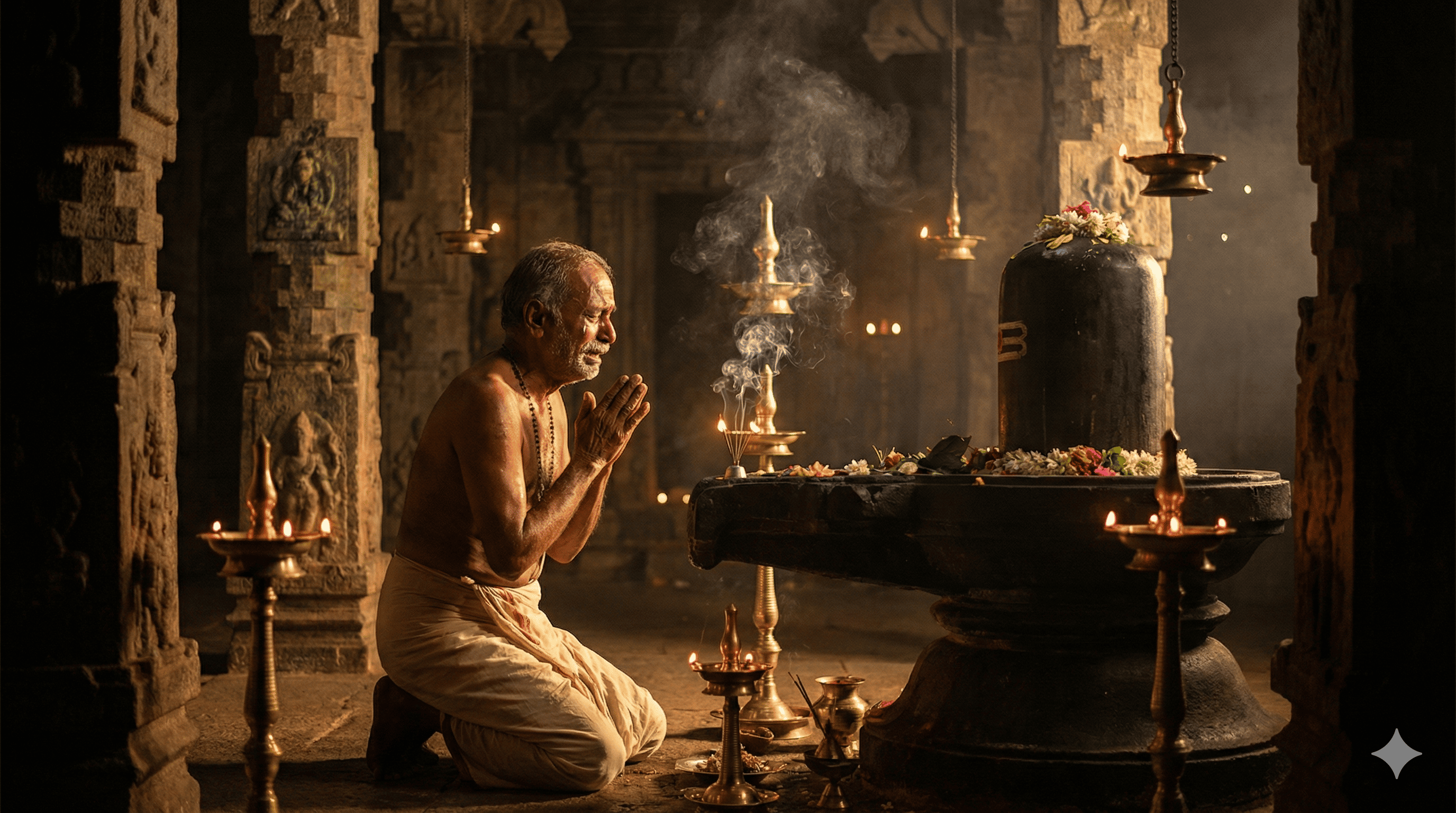
Shiva Purana is not only cosmology. It also gives a clear guide for inner transformation.
It explains four types of Shiva Yoga:
- Jnana Yoga – understanding truth
- Bhakti Yoga – devotion
- Kriya Yoga – breath and energy practices
- Raja Yoga – meditation
It encourages overcoming: ego, anger, greed, attachment.
It says liberation is possible even while living a normal life if one lives with awareness.
8. The Power of Devotion
Shiva Purana has many real stories that show how devotion works:
- Kannappa, a hunter, offered his own eye to Shiva
- Markandeya, the child devotee, defeated death
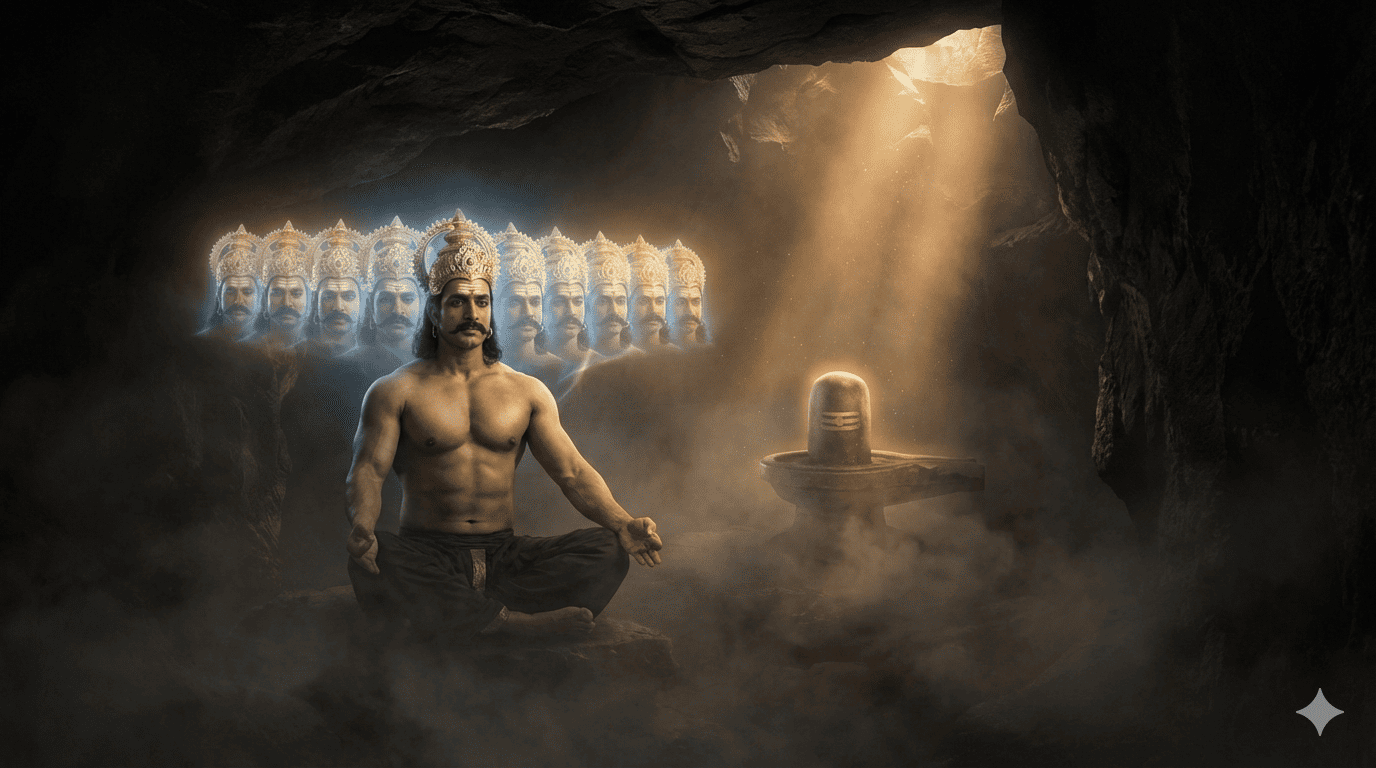
- Ravana, despite ego, was blessed for his devotion
These stories teach that:
Shiva does not look at birth, status, or knowledge. He only looks at purity of heart.
This is why Shiva is called:
- Ashutosh – easily pleased
- Bholenath – innocent one
Even a simple "Om Namah Shivaya" with sincerity is enough to connect with him.
9. The Mystery of Death and Rebirth
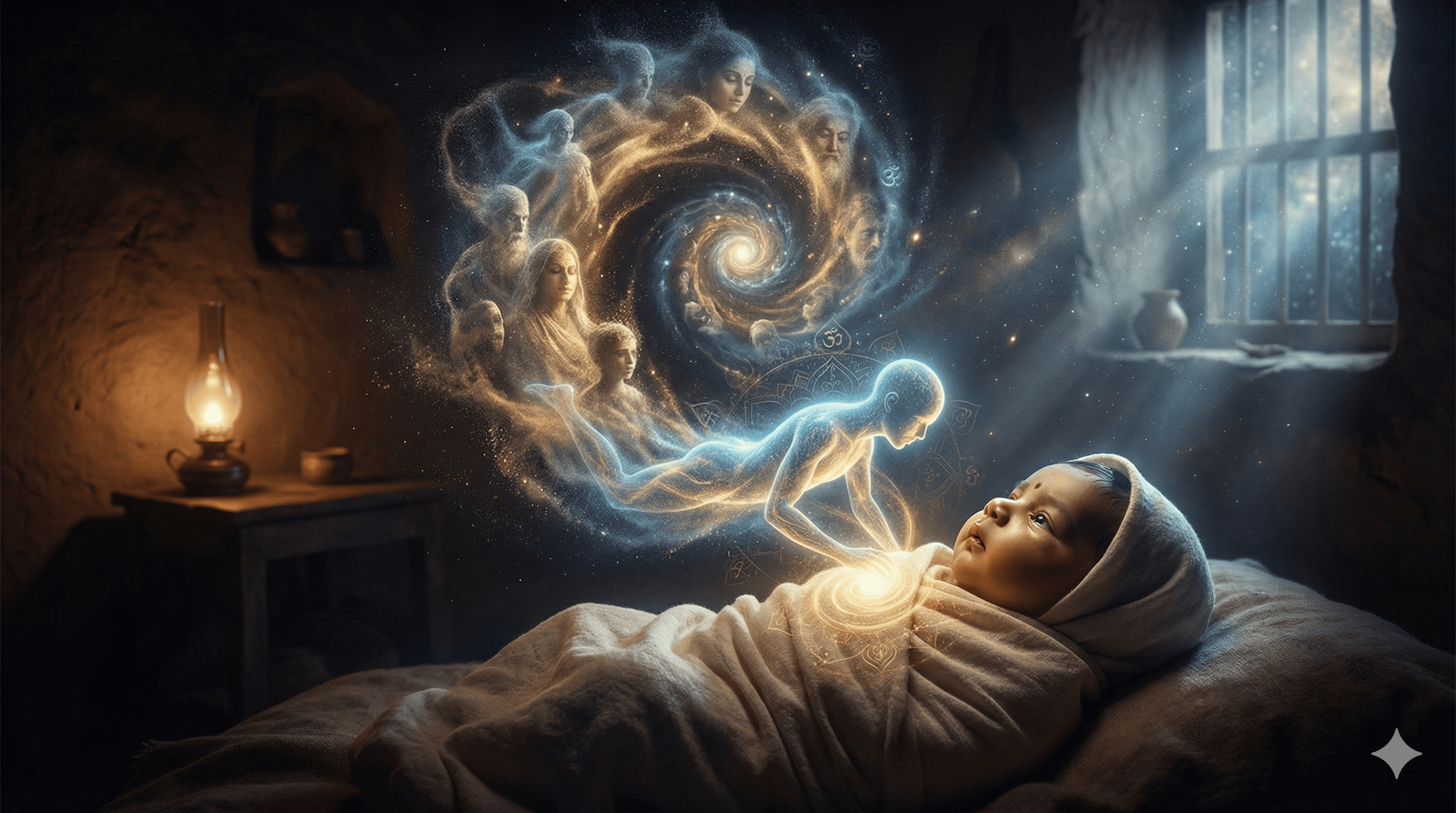
One of the most powerful sections of Shiva Purana explains what happens after a person dies.
It says:
- The body returns to the five elements
- The subtle mind carries impressions
- Depending on karma, the soul moves to different lokas
- Rebirth happens until liberation is attained
Shiva Purana does not describe death as an end. It calls it:
"A doorway to the next stage of your spiritual journey."
Modern near-death experience research has surprisingly similar descriptions.
10. The Promise of Shiva Purana
Shiva Purana ends with a powerful message:
Anyone who understands Shiva understands themselves, because Shiva is not outside — Shiva is the deepest part of you.
It says:
- Your mind is Shakti
- Your consciousness is Shiva
- When they unite, life becomes complete
The final secret is simple:
Shiva is not a God to be feared. Shiva is a truth to be realized.
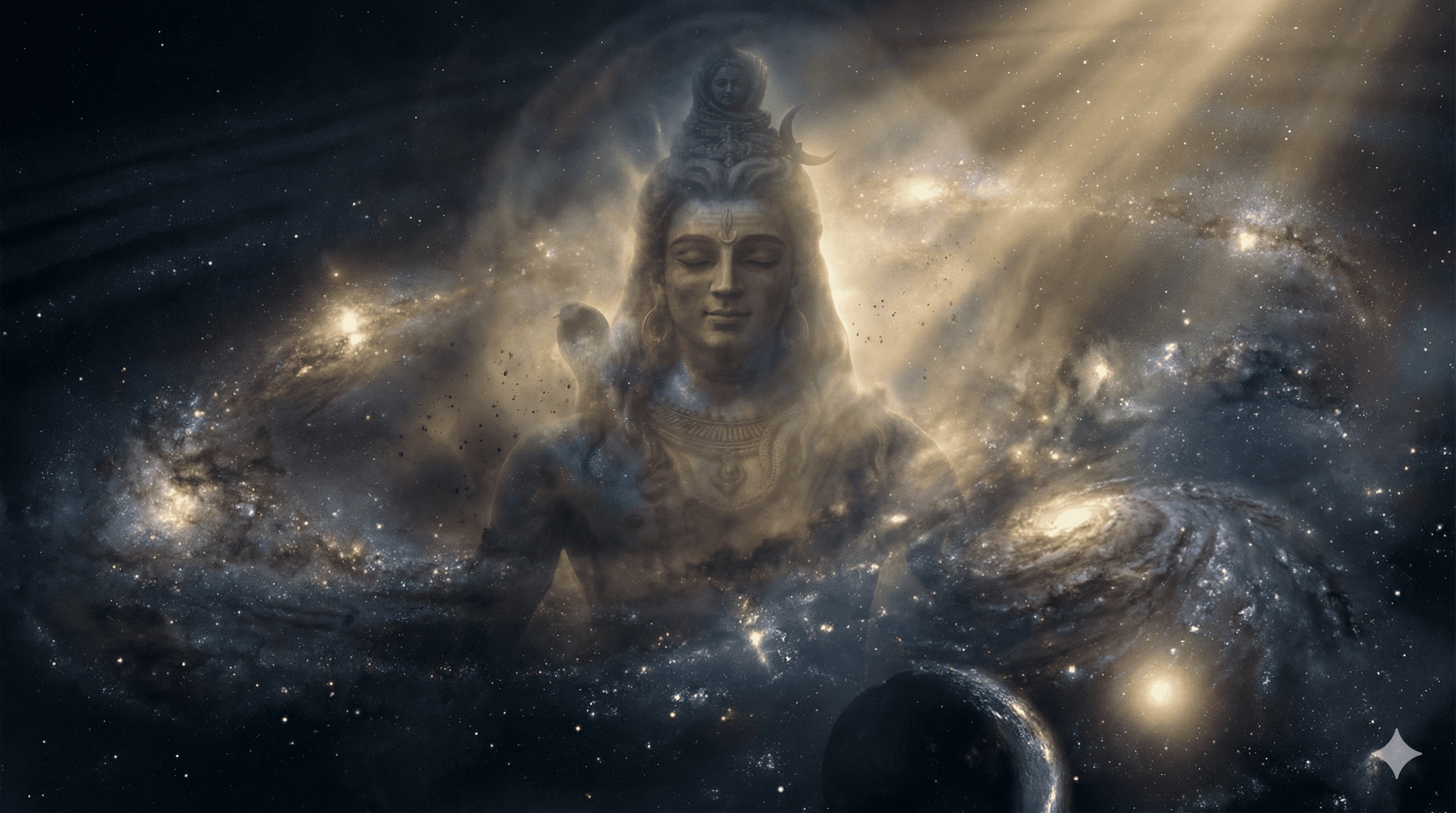
Imagine this… Every heartbeat, every breath, every moment of your life is powered by the same cosmic force that holds galaxies together.
That force is Shiva.
Not a distant deity, not a mythological figure — but the very energy that lives inside you.
And this is what Shiva Purana wants all of us to understand.
Shiva is not somewhere else. Shiva is here. Shiva is now. Shiva is you.
So tell me… after knowing all this, do you think Shiva is a myth — or the most advanced truth humanity has ever known?
Har Har Mahadev.
Other Topics You May Like
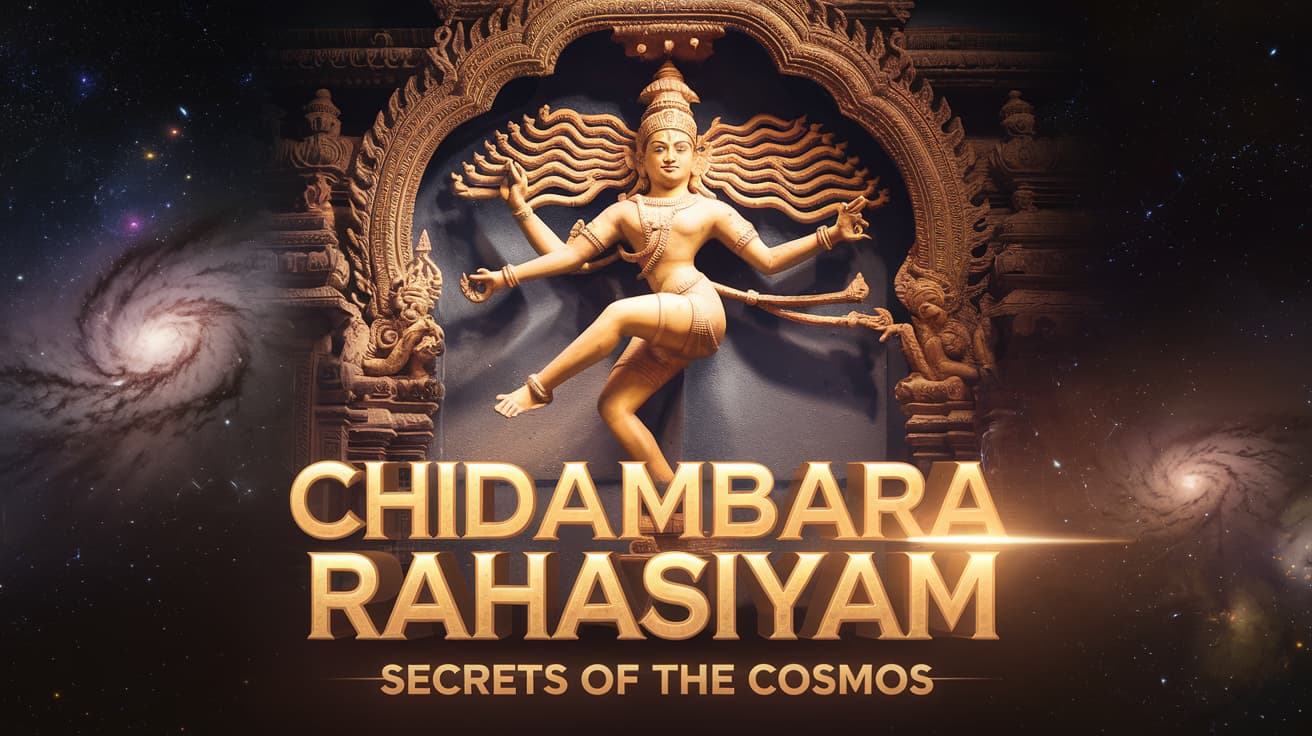
Imagine walking into a temple expecting to see a grand idol, but instead, you find an empty space. At Chidambaram, this space is not just empty; it holds infinite meaning.
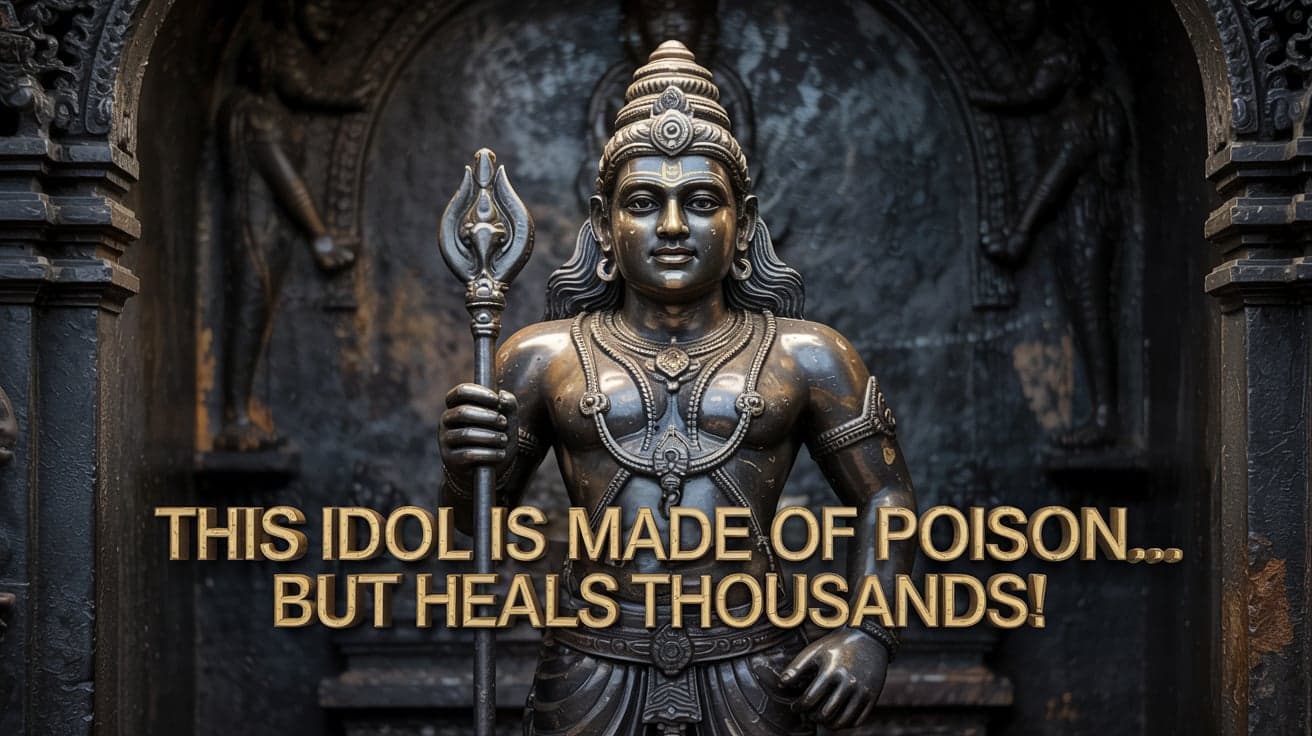
High atop the sacred hills of Palani in Tamil Nadu stands a divine mystery cloaked in devotion — the idol of Lord Murugan...
What if I tell you that one ancient Hindu book… explains how the universe was created...
What if I tell you that one ancient Hindu book… explains how the universe was created...

What if I tell you there exists a Hindu scripture so huge, that it is seven times bigger than the Mahabharata...