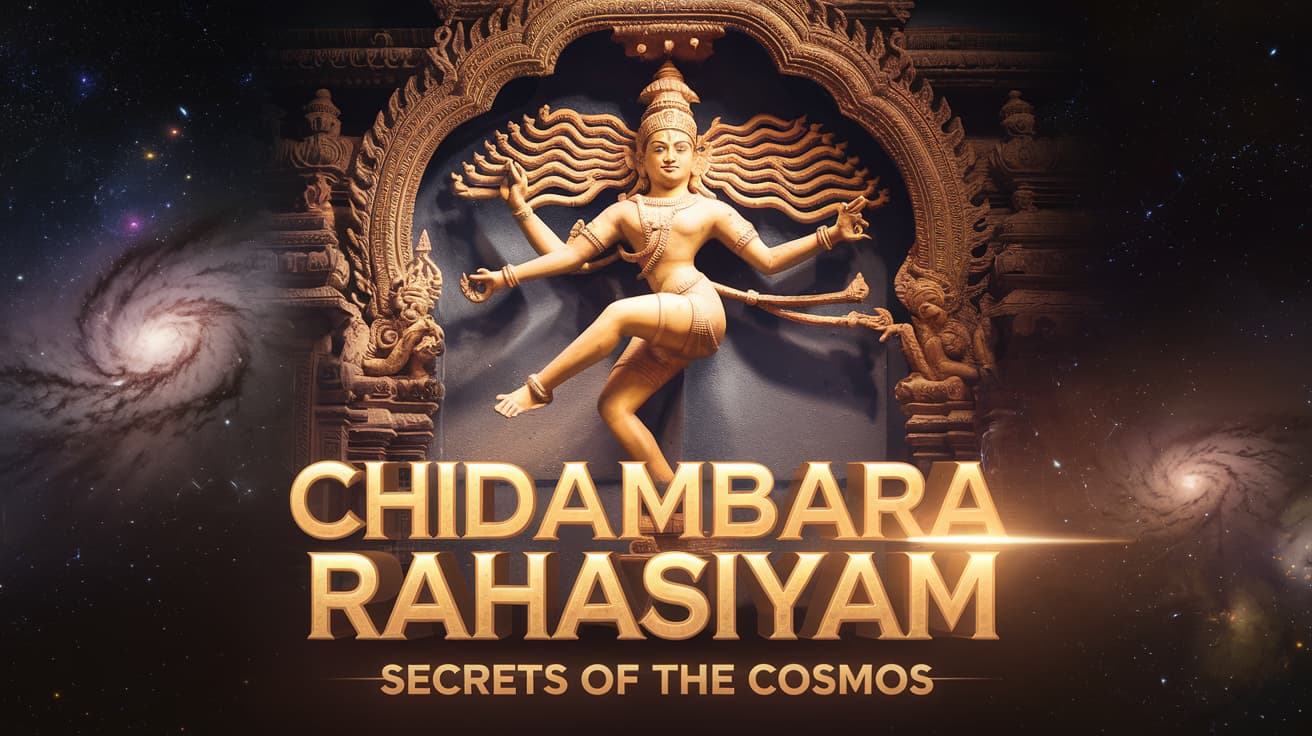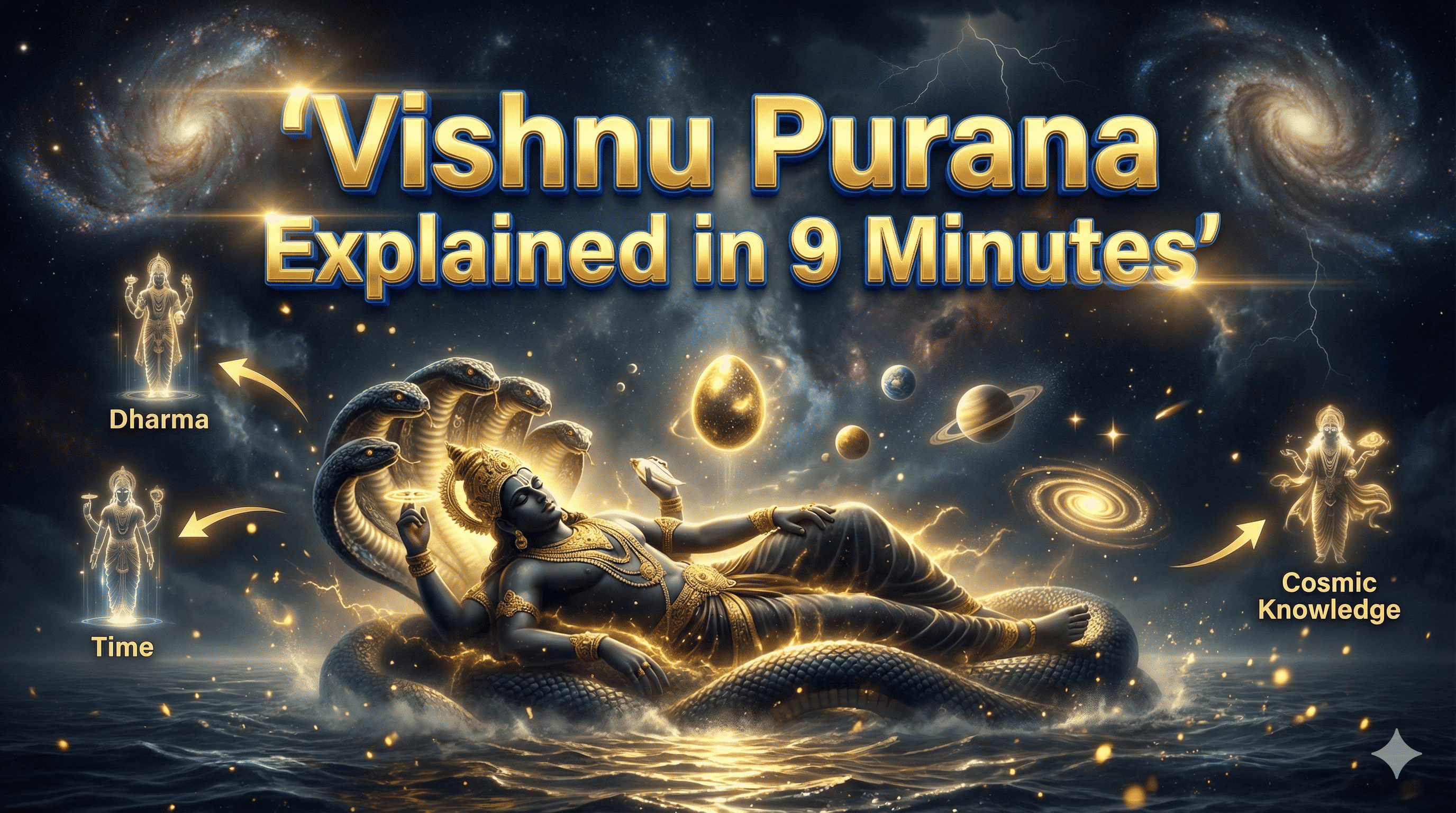
What if I tell you… the creator of the universe himself once became confused about his own creation?
What if time, gods, humans, and even destruction were already written before the universe was born?
This is not science fiction. This is written in Brahma Purana, one of the oldest sacred texts of India.
This Purana asks a question that will shake your belief about life, karma, and destiny.
1. What Is Brahma Purana?

Brahma Purana is one of the 18 Maha Puranas, mentioned in ancient scriptures like the Vedas, Upanishads, and Smritis. It is traditionally attributed to Lord Brahma, the creator of the universe.
This Purana mainly focuses on:
- Creation of the universe
- Time cycles (Yugas & Kalpas)
- Dharma and Karma
- Importance of pilgrimage (Tirtha Mahatmya)
- Worship of Vishnu, Shiva, Devi, and Surya
- And most importantly… why human life exists
Unlike other Puranas that focus on war or avatars, Brahma Purana focuses on cosmic order and purpose.
2. The Creation Mystery

Before creation, there was nothing. No sky. No earth. No gods. No time. Only Brahman – the infinite, formless consciousness described in the Vedas.
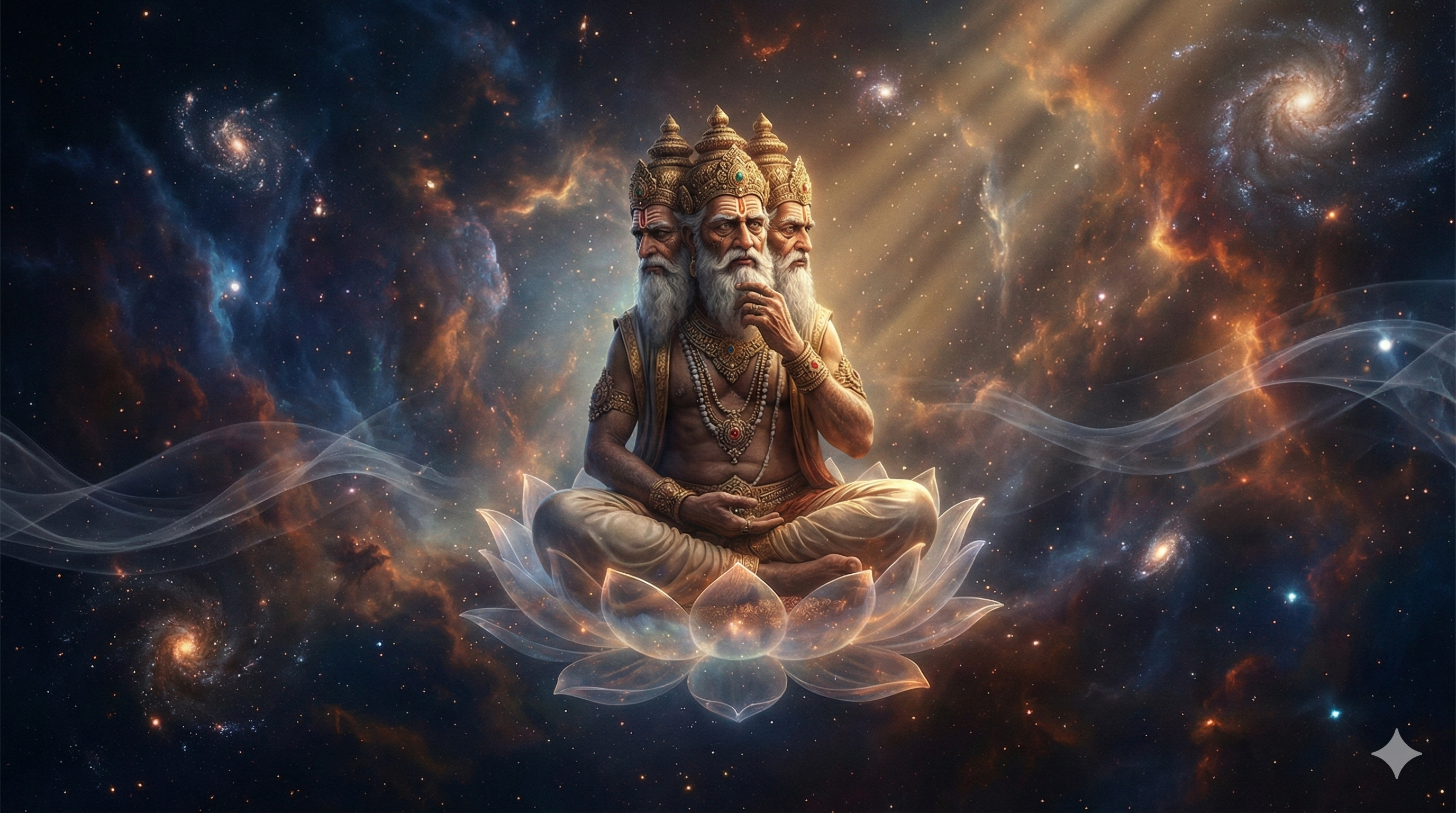
From this cosmic silence arose Hiranyagarbha – the golden womb. From Hiranyagarbha was born Lord Brahma, seated on a lotus emerging from Lord Vishnu’s navel.
But here is the mystery: Brahma did not know who he was. He did not know who created him. He did not know his purpose. Imagine the creator… confused. This teaches us a deep truth from Brahma Purana: Knowledge does not come by birth, it comes by realization.
3. Brahma’s Tapasya
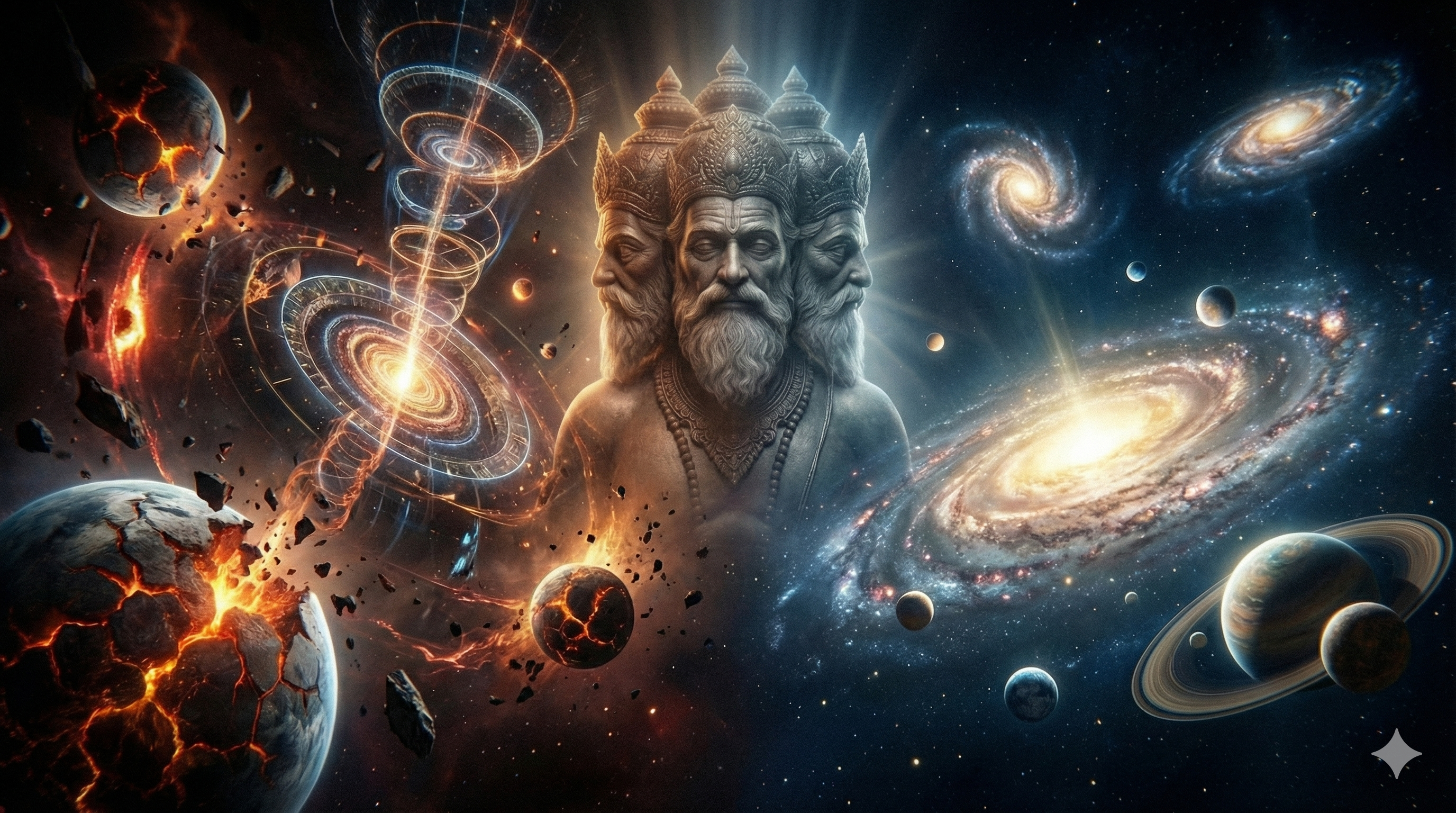
To understand how creation should happen, Brahmā performed deep tapasya. For thousands of divine years, he sat in absolute silence, meditating only on Om, the sound of the universe itself.
During this meditation, a great truth was revealed to him:
- Vishnu is the sustainer, who maintains balance.
- Shiva is the destroyer, who dissolves creation at the right time.
- And Brahmā realized he is only the creator — not the controller.
This realization is the heart of the Brahma Purāṇa. It clearly teaches: “Creation without dharma becomes destruction.”So Brahmā created the universe with strict laws:
- Karma to govern actions,
- Dharma to guide life,
- Time to control change,
- and Death to maintain balance.
Without these laws, creation itself would collapse.
4. Creation of Time

One of the most shocking teachings of the Brahma Purāṇa is about time. Time is not endless and not moving in a straight line. It moves in perfect cycles.
- First comes Satya Yuga, the age of truth.
- Then Treta Yuga, where dharma slightly declines.
- Next is Dvāpara Yuga, where balance begins to fall.
- Finally comes Kali Yuga, the age we live in now.
Together, these four form one Mahā Yuga. One thousand Mahā Yugas make one single day of Brahmā. And when Brahmā sleeps, the entire universe dissolves into silence.
Modern science speaks of the Big Bang and Big Crunch. But the Brahma Purāṇa revealed this cosmic cycle thousands of years ago. Coincidence… or ancient wisdom?
5. The Fall of Brahma

Here comes a shocking truth. Unlike Vishnu and Shiva, Brahma is rarely worshipped today. Why?
Brahma Purana explains this through a symbolic story. Brahma once developed ego about his role as creator. From that ego, imbalance was created. So the universe itself corrected him.
This teaches a powerful lesson: Even gods fall when ego rises. That is why temples of Brahma are rare, and humility is considered the highest virtue in Indian philosophy.
6. Origin of Human Life
The Brahma Purāṇa asks a deep question — Why were humans created?
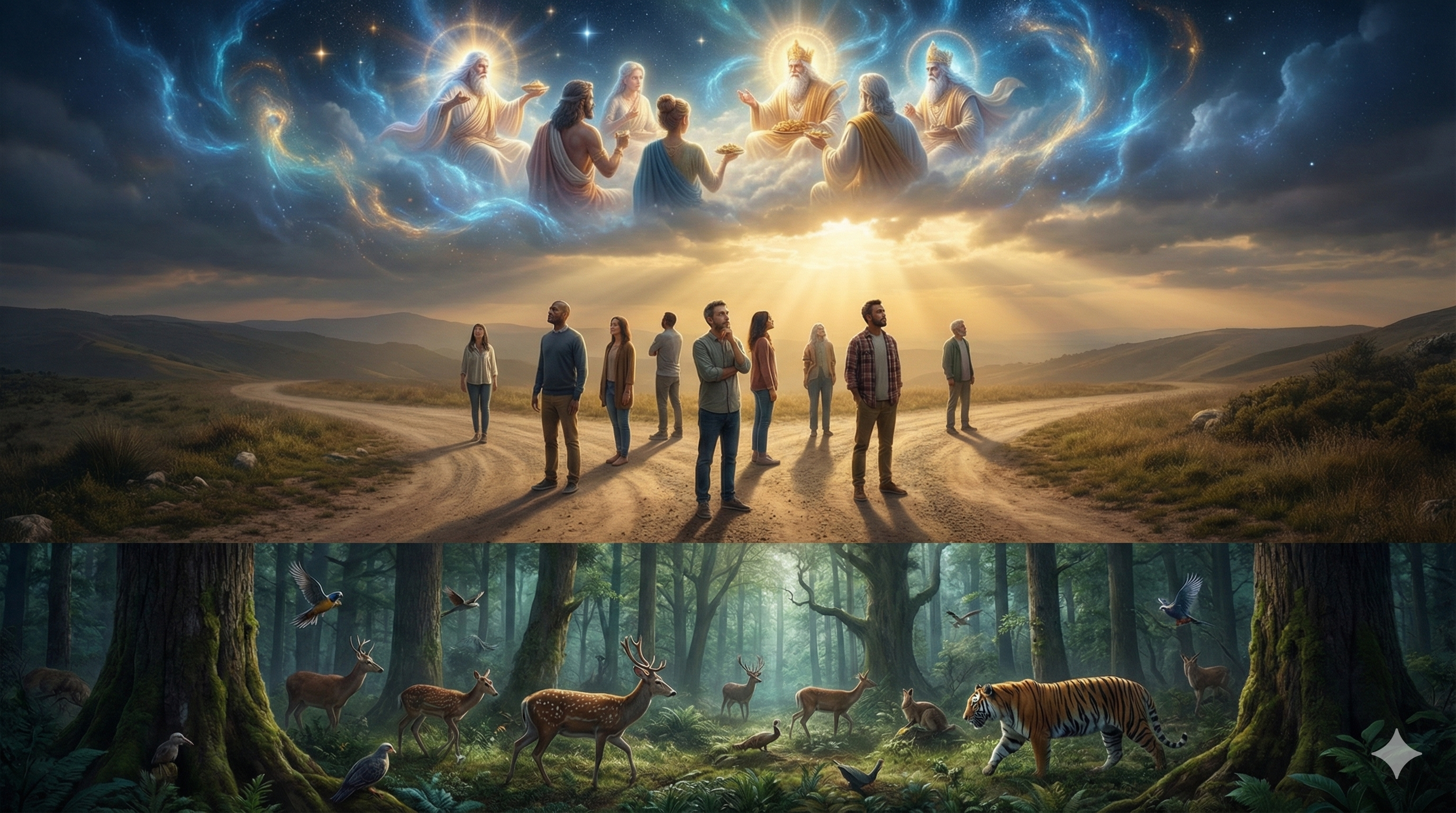
Not for pleasure. Not for power. But for moksha — liberation from the cycle of birth and death. Human birth is described as rare and extremely precious.
- Animals live by instinct.
- Gods live by power and enjoyment.
- But humans live by choice.
Only humans have the ability to think, decide, and transform their destiny. Only humans can accumulate karma through actions and break karma through awareness and dharma. Only humans can attain liberation through knowledge and devotion.
That is why every moment of human life matters. You are not here by accident.
7. Karma & Destiny
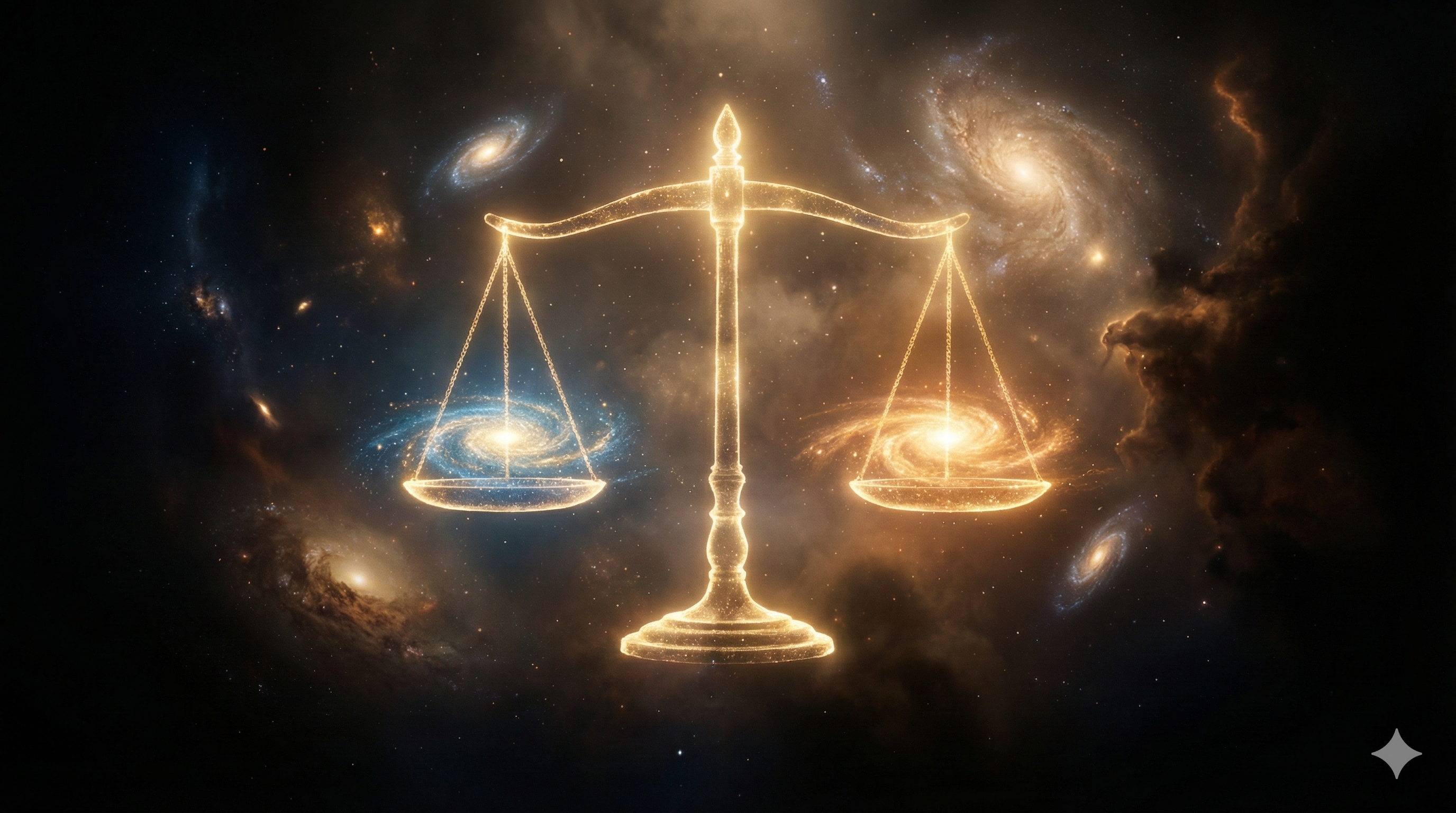
The Brahma Purāṇa gives a very clear truth about karma. Karma is not punishment given by God. Karma is balance, the natural law of the universe.
Every thought is a seed. Every action grows into a tree. And every result is the fruit — sweet or bitter. Nothing is ever wasted. No kindness is forgotten. No wrong action disappears.
Even death is not the end. When the body falls, the soul carries its impressions into the next birth. Desires, habits, and actions travel with it. That is why the Purāṇa clearly teaches: “Your future is written by your present actions.” You are shaping tomorrow with what you choose to do today.
8. Pilgrimage Power
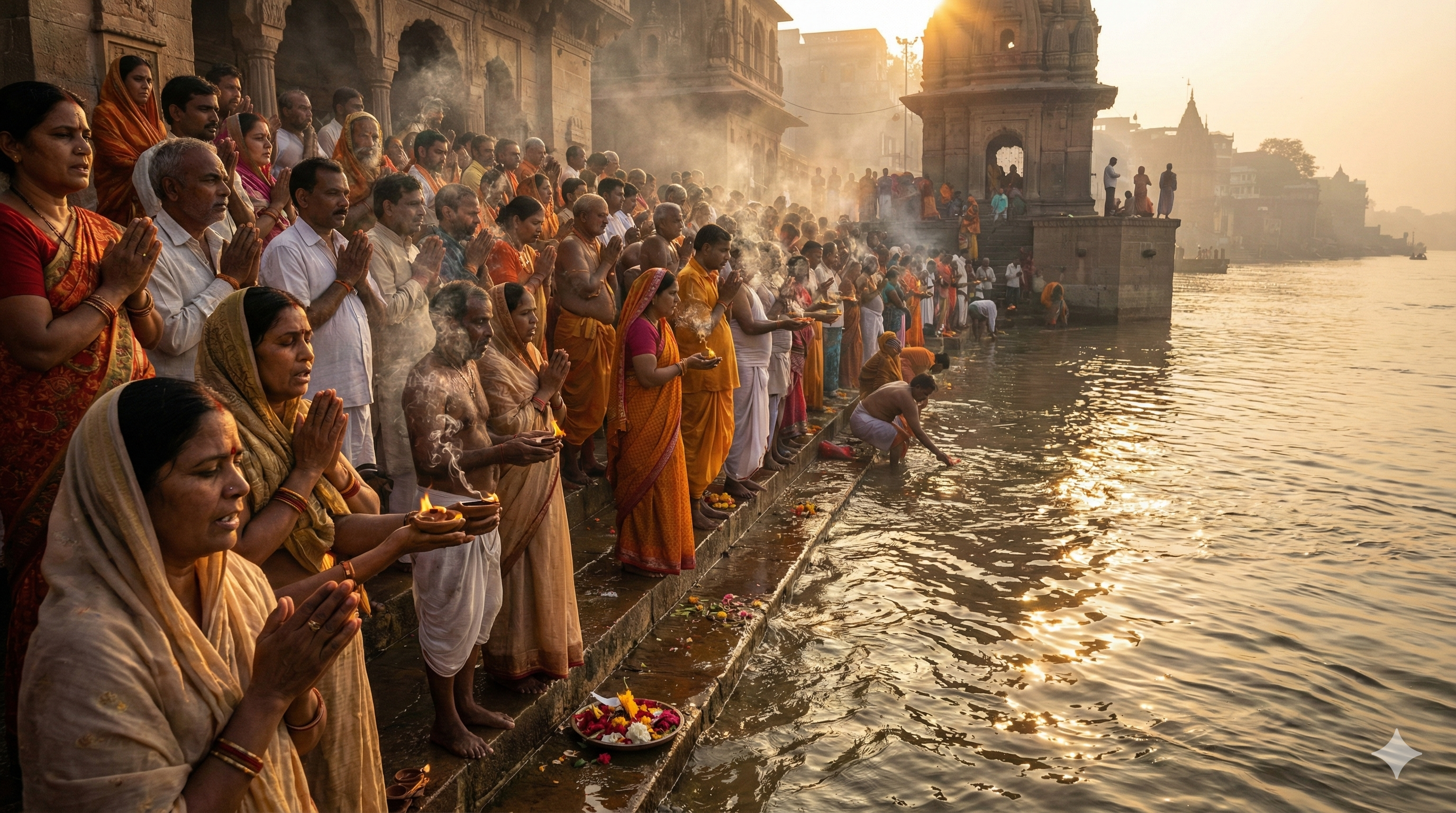
A major part of the Brahma Purāṇa speaks about sacred pilgrimage places. Places like Pushkar, Prayāgraj, Gayā, and Kāśī are not called holy by accident.
These locations are believed to be cosmic energy centers, where natural forces are highly active. Modern science describes many such places as geomagnetic hotspots. Ancient sages understood this without instruments — through deep observation and meditation.
The Brahma Purāṇa clearly teaches: When the mind, body, and place align, transformation happens. That is why rituals performed here feel more powerful, and why millions still walk long distances to these places. These journeys are not about travel. They are about inner change.
9. Destruction Is Not Evil
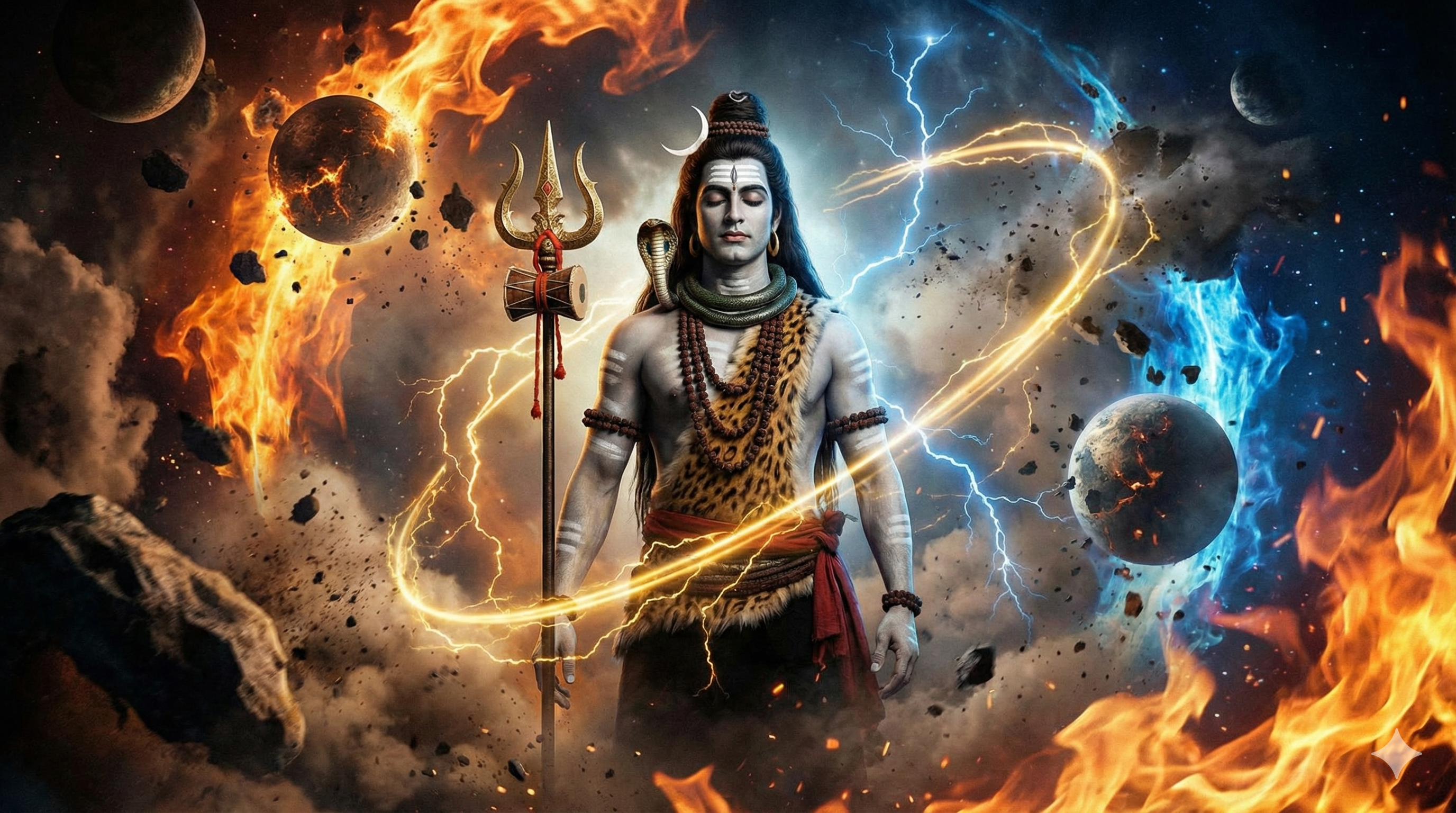
Destruction often sounds frightening. But the Brahma Purāṇa explains that destruction is not evil — it is a reset.
Shiva destroys so that Brahmā can create again. Without destruction, creation would suffocate under its own weight. Just like a forest fire clears old growth and allows new life to rise, and just like death creates space for new birth, cosmic destruction maintains balance.
The Purāṇa teaches us a powerful truth: Destruction is not the enemy. Attachment is. When we cling to what must change, we suffer. When we understand cycles, we become peaceful. Nothing truly ends. It only transforms.
10. The Big Question
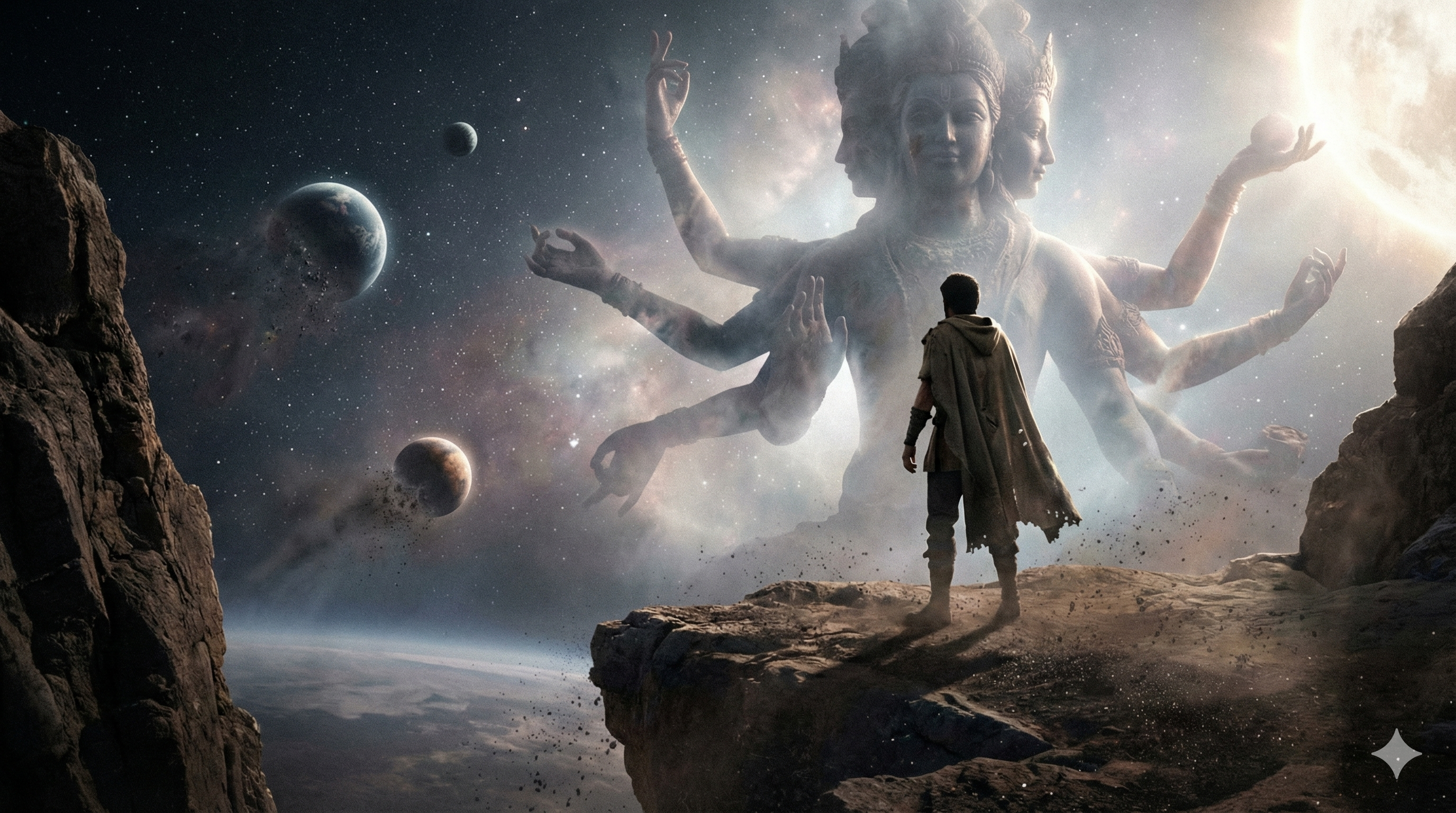
At the end, Brahma Purana asks a question to every human:
If everything is temporary… If even gods disappear… If time itself ends… What is permanent?
The answer: Dharma and Consciousness.Not wealth. Not power. Not fame. Only how you lived, and how you treated others.
Concluding Thoughts
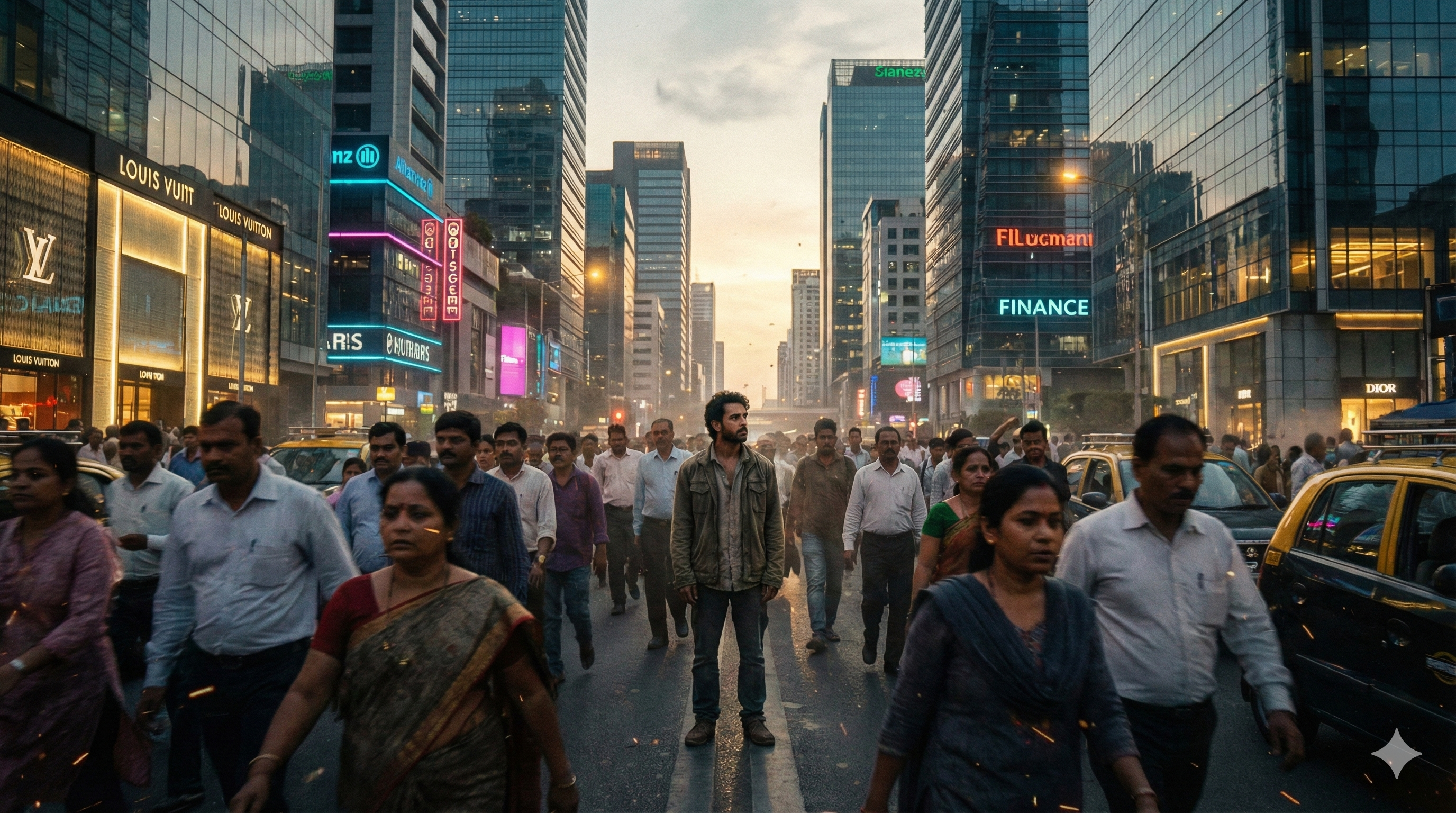
Today, we chase success. We chase money. We chase recognition. But Brahma Purana whispers something ancient:
“You are not the body. You are not the mind. You are the witness.”
So before this life ends… ask yourself: Are you creating karma… or freeing yourself from it?
If this ancient wisdom touched you, comment “OM” below. Because sometimes… the oldest truths are the most powerful ones.
Brahma Purana FAQs
Who wrote the Brahma Purana?
Who wrote the Brahma Purana?
The Brahma Purana is traditionally attributed to Lord Brahma, the creator of the universe, and is one of the 18 Maha Puranas.
Why is Lord Brahma rarely worshipped?
Why is Lord Brahma rarely worshipped?
According to the Brahma Purana, Lord Brahma developed an ego about his role as the creator, which led to imbalance. The universe corrected him, and as a result, he is rarely worshipped today, teaching that even gods fall when ego rises.
What are the four Yugas mentioned in Brahma Purana?
What are the four Yugas mentioned in Brahma Purana?
The four Yugas describe the cycle of time: Satya Yuga (Age of Truth), Treta Yuga (Dharma declines), Dvapara Yuga (Balance falls), and Kali Yuga (Current age of darkness).
What is the purpose of human life according to Brahma Purana?
What is the purpose of human life according to Brahma Purana?
Human life is considered rare and precious. Its purpose is not pleasure or power, but Moksha (liberation). Humans are the only beings capable of changing their destiny through conscious choice and Karma.
What does Brahma Purana say about destruction?
What does Brahma Purana say about destruction?
Destruction is not considered evil but a necessary "reset." Shiva destroys so Brahma can create again. It maintains cosmic balance, just like death creates space for new life.